
2026 Best Glass Wall Types for Global Buyers?
Choosing the 2026 best glass wall types for global buyers requires more than comparing appearance and price. A suitable system must match climate, building use, safety expectations, installation skills, and maintenance access. Clear tempered glass may suit bright offices, while laminated glass offers stronger protection for busy public areas. Insulated glass units can improve indoor comfort in regions with severe heat or cold. Every project has different priorities.
Details matter. A hotel lobby may need wide, low-iron panels with slim frames and controlled glare. A coastal home may require corrosion-resistant hardware and carefully sealed joints. In a high-wind location, engineers should review panel size, glass thickness, framing, and anchoring before purchase. Local codes and certified testing remain essential. Product brochures alone are not enough.
Real-world experience also reveals compromises. Larger panels create impressive views, but they increase handling difficulty, transport risk, and replacement cost. Frameless designs look refined, yet their seals and drainage details demand careful installation. We should not pretend one glass wall type works everywhere. It does not. Buyers should request performance data, warranty terms, test reports, and installation guidance from established suppliers. Speaking with architects, facade consultants, and experienced contractors can prevent expensive mistakes. This guide compares practical options for global buyers, while recognizing that regional conditions may challenge even well-designed specifications. Reliable decisions come from evidence, not attractive images.
What Are the Main Glass Wall Types in 2026?
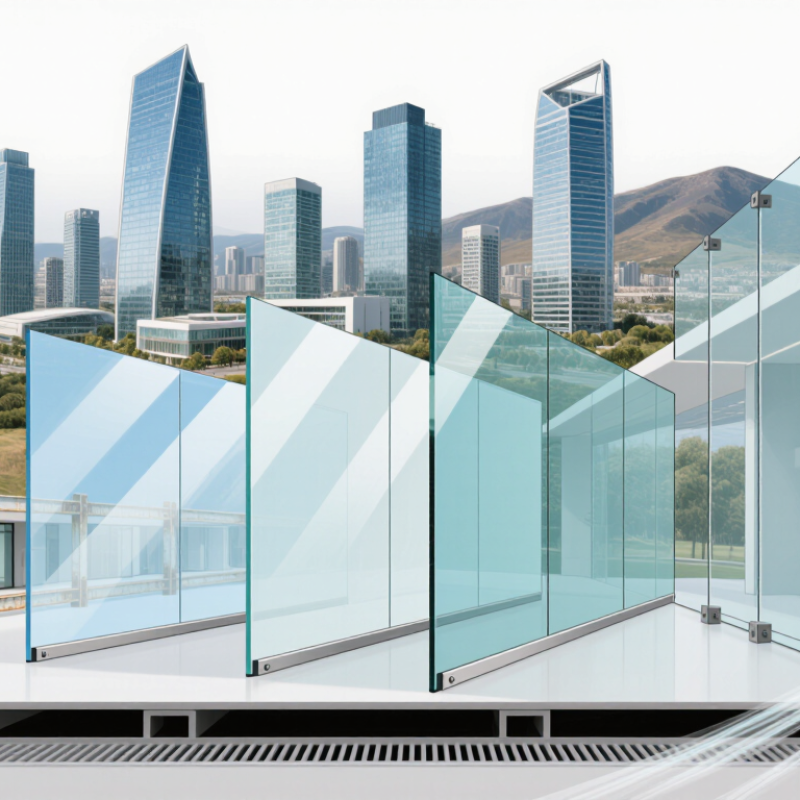
In 2026, glass walls serve offices, hotels, homes, and retail spaces worldwide. The main types differ in structure, performance, and installation demands. Framed glass walls use aluminum or steel profiles for strength and easier replacement. Frameless systems create a cleaner appearance, but they require precise engineering and stronger glass. They can also show installation errors quickly.
Curtain walls form lightweight exterior envelopes for taller buildings. They manage wind, rain, and thermal movement through tested joints. Insulated glass walls improve indoor comfort by reducing heat transfer and outside noise. Laminated glass adds safety because its inner layer holds broken pieces together. Switchable smart glass offers privacy control, although its wiring and maintenance require careful planning. Glass block walls provide texture and privacy, but they allow less natural clarity.
Tips: Match the wall type to climate, building height, cleaning access, and local safety codes. Ask for tested performance data, not only attractive renderings. Check glass thickness, edge protection, drainage, and replacement procedures before ordering. I have seen projects focus on appearance and underestimate installation tolerances. That mistake can delay completion. Regional labor skills also matter. A system that works well in one market may need different seals, coatings, or support details elsewhere. Always request samples under real lighting. Small color changes can affect the entire interior.
2026 Best Glass Wall Types for Global Buyers? - What Are the Main Glass Wall Types in 2026?
| Glass Wall Type | Typical Construction | Common Glass Configuration | Typical U-Value Range | Acoustic Performance | Best-Fit Applications | Relative Cost | Main Advantages | Important Limitations |
|---|---|---|---|---|---|---|---|---|
| Frameless Monolithic Glass Wall | Large glass panels supported by point fittings, channels, or structural silicone joints. | Tempered or heat-strengthened single glass, commonly 10–19 mm. | Approximately 5.5–6.0 W/m²·K | Approximately 30–35 dB, depending on thickness and joints. | Interior partitions, retail fronts, hospitality areas, and visual separators. | Low–Medium | Minimal appearance, high daylight transmission, and relatively simple interior installation. | Limited thermal insulation and privacy; unsuitable for many exterior energy-efficient façades. |
| Framed Aluminum Glass Partition | Glass panels held in visible aluminum mullions, transoms, or perimeter frames. | Single tempered glass or laminated glass, typically 8–13.5 mm. | Approximately 4.5–5.8 W/m²·K for single glazing; interior partitions are usually not rated for façade insulation. | Approximately 32–42 dB with acoustic seals and laminated glass. | Offices, schools, healthcare areas, meeting rooms, and adaptable commercial interiors. | Low–Medium | Modular, repairable, easy to reconfigure, and available with doors, blinds, and acoustic seals. | Visible framing reduces the seamless appearance; frame joints can transmit sound if poorly detailed. |
| Laminated Safety Glass Wall | Two or more glass plies bonded with a plastic interlayer such as PVB or ionoplast. | Common make-ups include 6.38 mm, 8.38 mm, and thicker multi-ply assemblies. | Approximately 5.5–6.0 W/m²·K for single laminated glazing; lower with insulated units. | Approximately 35–45 dB, depending on interlayer, thickness, and framing. | Balustrades, schools, transport facilities, public interiors, façades, and areas requiring retained fragments. | Medium | Cracked glass generally remains attached to the interlayer; can improve security, UV control, and sound reduction. | Heavier and more expensive than single glass; edge protection and compatible installation materials are important. |
| Double-Glazed Insulated Glass Wall | Two sealed glass panes separated by a spacer and gas-filled cavity. | Low-emissivity coated glass with a 12–20 mm cavity; argon is commonly used. | Approximately 1.0–2.8 W/m²·K, depending on coating, cavity, spacer, and frame. | Approximately 30–40 dB; laminated inner panes can improve acoustic performance. | Exterior windows, commercial façades, residential projects, and moderate-to-cold climates. | Medium–High | Much better thermal comfort and condensation control than single glazing; widely available globally. | Higher weight, depth, and cost; seal failure can cause internal fogging and reduced performance. |
| Triple-Glazed Insulated Glass Wall | Three panes with two sealed insulating cavities in a reinforced frame system. | Multiple low-emissivity coatings, warm-edge spacers, and argon or another specified insulating gas. | Approximately 0.5–1.0 W/m²·K for high-performance units. | Approximately 35–45 dB; acoustic results depend strongly on pane thickness and asymmetry. | Cold climates, low-energy buildings, passive-house-oriented projects, and noise-sensitive locations. | High | Excellent heat-loss reduction, warmer interior glass surfaces, and strong energy-efficiency potential. | Heavier, deeper, and more costly; may reduce solar gains and daylight if coatings are not selected carefully. |
| Curtain Wall Glass Façade | Non-load-bearing façade grid attached to the building structure through vertical mullions and horizontal transoms. | Insulating glass units, laminated spandrel glass, or a combination of vision and opaque panels. | Approximately 1.0–2.5 W/m²·K for the glazed area; whole-façade results depend on framing and spandrels. | Approximately 30–45 dB, subject to mullion design, gaskets, and slab-edge detailing. | High-rise offices, airports, hotels, mixed-use buildings, and large commercial façades. | High | Supports large façades, wind-load design, drainage, movement accommodation, and standardized installation. | Requires specialist engineering and installation; thermal bridges, air leakage, glare, and overheating need careful control. |
| Structural-Glazed Glass Wall | Glass bonded to a concealed support frame with structural silicone, often combined with mechanical safety retention. | Double-glazed or laminated insulated units with compatible edge systems. | Approximately 1.0–2.5 W/m²·K, depending on the insulated unit and support frame. | Approximately 32–45 dB, depending on the glass build-up and perimeter joints. | Premium façades, clean-line commercial buildings, atriums, and high-visibility entrances. | High | Very low visible framing, continuous exterior appearance, and strong architectural transparency. | Requires qualified fabrication, silicone compatibility testing, quality control, and regular inspection planning. |
| Switchable Privacy Glass Wall | Laminated glass containing an electrically controlled liquid-crystal or similar privacy layer. | Safety laminated construction, often integrated into double-glazed units. | Approximately 2.0–5.5 W/m²·K, depending on whether it is single or insulated glazing. | Approximately 32–42 dB, depending on the complete wall assembly. | Executive rooms, healthcare spaces, meeting rooms, hospitality interiors, and display areas. | High–Premium | On-demand privacy, modern appearance, and reduced need for curtains or blinds. | Higher purchase and wiring costs; requires a reliable power supply, controls, and careful maintenance planning. |
| Fire-Resistant Glass Wall | Tested glass-and-frame assembly designed to provide a specified fire-resistance or fire-protection period. | Tempered, laminated, wired, or multi-layer specialty glass, depending on the required classification. | Not normally selected by U-value alone; thermal performance varies by tested system. | Often approximately 35–45 dB, but the tested assembly and perimeter construction control the result. | Stairwells, corridors, protected escape routes, compartment walls, and high-rise public buildings. | High–Premium | Maintains compartmentation and visibility where transparent fire-rated construction is required. | Must be specified as a complete tested system; field modifications may invalidate the rating. |
Note: U-values are indicative center-of-glass or system ranges in SI units. Actual performance depends on glass thickness, coatings, gas fill, spacer, framing, edge details, climate, installation quality, and local building-code requirements.
Related Posts
-

10 Best Glass Wall Manufacturers for Global Buyers
-
2026 Best Glass Wall Designs for Modern Living Spaces?
-
How to Choose the Best Glass Wall for Your Space?
-

Best Glass Systems for Your China Top Sourcing Needs?
-
Why Choose Glass Doors for Your Home or Office?
-
How to Choose the Perfect Sliding Doors for Your Home and Enhance Your Space