What Are Acoustic Metal Panels and Their Benefits?
Acoustic Metal Panels are an innovative solution for noise control in various environments. These panels combine aesthetic appeal with functional benefits, providing effective sound absorption while enhancing the overall design. In a world where noise pollution affects productivity and well-being, seeking efficient solutions becomes crucial.
The importance of choosing the right materials cannot be overstated. Acoustic Metal Panels not only reduce unwanted sound but also contribute to a sleek, modern look. They are perfect for offices, schools, and public spaces where ambiance matters. Users often find themselves surprised by the impact these panels have on achieving a quieter environment.
Experimenting with different configurations can yield various results. Some may find their effectiveness varies based on installation. Reflecting on this, one must consider not just the material but the overall design approach. Acoustic Metal Panels offer potential, but results may differ based on the execution. Thus, careful planning is essential to fully harness their benefits.
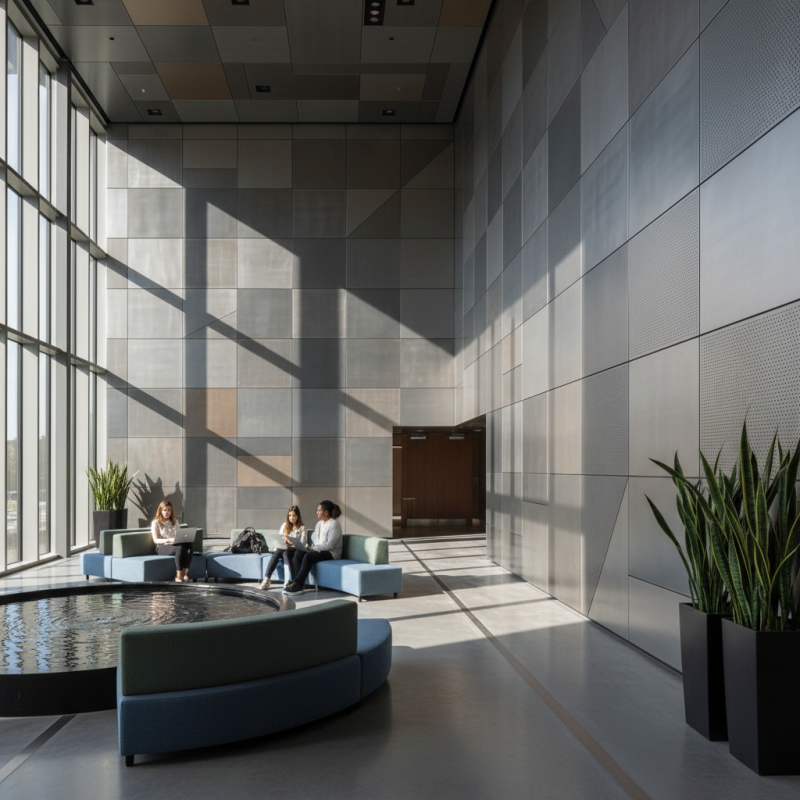
Understanding Acoustic Metal Panels: Definition and Composition
Acoustic metal panels are becoming increasingly popular in various architectural applications. These panels are made primarily from metal, often lightweight aluminum or steel. Their design usually incorporates sound-absorbing materials, which enhance their acoustic properties. The combination of metal and innovative acoustic technology allows these panels to reduce noise levels effectively, making environments more comfortable.
The unique composition of acoustic metal panels contributes to their efficacy. By using perforated metal surfaces, these panels allow sound waves to enter, decreasing reflection. This design exploits the porous nature of the material behind the metal to absorb sound. The outcome is a reduction in echoes and background noise, promoting clearer communication. However, some users might find the aesthetic too industrial for certain spaces, leading to design challenges.
Installation can be complex, requiring careful planning and measurement. Moreover, the suitability of these panels can vary depending on the environment. Open spaces might benefit greatly, while smaller rooms may not see significant improvements. Understanding the specific needs of a space is crucial for achieving desired acoustic performance. This requires thoughtful consideration of design, material choice, and placement.
How Acoustic Metal Panels Function to Control Sound
Acoustic metal panels are designed to control sound in various environments. They have unique properties that help absorb and reflect sound waves. This structure reduces noise levels and enhances sound clarity in spaces like offices, auditoriums, and recording studios. If installed properly, these panels can create a more pleasant atmosphere.
The panels function by utilizing a combination of dense materials and specific designs, maximizing sound absorption. Their perforated surfaces provide a pathway for sound waves to enter, while the internal structure dissipates the energy. This process considerably lowers echo and reduces background noise. However, their effectiveness can vary based on placement and room configuration.
While acoustic metal panels are beneficial, they may not always solve all sound issues. For example, some users report that certain frequencies still resonate in poorly designed spaces. This points to the need for comprehensive assessment before installation. Understanding room dynamics and panel placement can greatly enhance their performance.
What Are Acoustic Metal Panels and Their Benefits?
| Dimension | Description |
| Material | High-quality metal, often aluminum or steel, designed for acoustic performance. |
| Thickness | Typically ranges from 1 to 2 inches to optimize sound absorption. |
| Sound Absorption Coefficient | Can achieve a sound absorption rating of up to 0.95, depending on the design. |
| Applications | Used in offices, auditoriums, and industrial spaces for noise control. |
| Aesthetics | Available in various finishes and colors to match interior designs. |
| Installation | Can be easily mounted to walls or ceilings using standard fixtures. |
| Durability | Highly durable and resistant to corrosion, ensuring long-term performance. |
| Environmental Impact | Recyclable materials that can contribute to sustainable design practices. |
Key Benefits of Using Acoustic Metal Panels in Various Settings
Acoustic metal panels are becoming popular in various settings. They control sound while adding aesthetic appeal. One of the key benefits of these panels is noise reduction. In busy environments like offices, they help create a quieter workspace. This leads to improved concentration and productivity.
Additionally, acoustic metal panels are durable and easy to maintain. They can withstand harsh conditions, making them suitable for industrial areas. Their sleek design fits well in modern architecture. Another benefit is their versatility. They can be used in schools, restaurants, and even healthcare facilities. Each setting requires a unique sound solution.
However, not all environments benefit equally from acoustic metal panels. Some spaces may require different materials for better sound absorption. It's vital to assess individual needs. The effectiveness of these panels also depends on their installation. Proper placement matters greatly in achieving sound control. Understanding these nuances can lead to better outcomes in sound management.
Installation and Maintenance Considerations for Acoustic Metal Panels
Acoustic metal panels are becoming increasingly popular in various architectural applications. Proper installation and maintenance are vital for maximizing their effectiveness. Studies show that improper installation can lead to a decrease in sound absorption by up to 30%. Ensuring that panels are installed correctly is crucial for achieving optimal acoustic performance. It is essential to follow manufacturer guidelines closely, as each panel type may have specific requirements.
Maintenance of acoustic metal panels is another key consideration. Regular cleaning helps maintain their sound-absorbing properties and overall appearance. A report from the Acoustic Society reveals that panels exposed to dirt and dust can lose up to 15% of their efficiency over time. Inspecting the panels every six months can help identify any potential issues early. Cleaning supplies should be non-abrasive to avoid damaging the panel surfaces.
While these panels are designed for durability, environmental factors can affect their longevity. For instance, humidity can lead to corrosion if not adequately addressed. Engineers recommend using protective coatings to enhance resistance to moisture. Addressing these concerns proactively ensures that the investment in acoustic metal panels pays off in the long run.
Comparing Acoustic Metal Panels to Other Soundproofing Solutions
Acoustic metal panels serve as an effective soundproofing solution that stands out from traditional methods. Unlike carpet or foam, these panels possess unique properties that enhance sound absorption while maintaining a modern aesthetic. Their metallic surface reflects sound waves, making them ideal in environments with high ambient noise. They reduce echoes and control sound dispersion effectively.
When comparing acoustic metal panels to alternatives like fiberglass or soft panels, there are significant differences. Fiberglass can absorb sound well but often lacks durability. It may degrade over time and lose effectiveness. Soft panels, while versatile, can collect dust and allergens. In contrast, acoustic metal panels are resistant to moisture and easy to clean. They ensure long-term reliability, important in public spaces or commercial buildings.
However, they might not be suitable for every setting. The installation can be complex, requiring professional expertise. Not every space benefits from a metallic look, which might clash with decor. There is a balance between aesthetics and functionality. Users should consider specific needs when choosing a soundproofing solution.