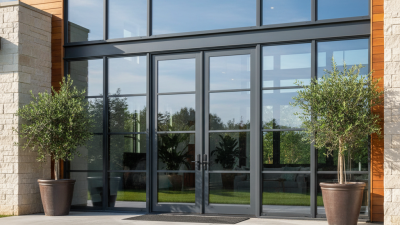
Top 10 Benefits of Architectural Glass for Modern Building Design
In the realm of modern building design, the integration of architectural glass has emerged as a transformative element, redefining aesthetics and functionality. According to the Global Architectural Glass Market Report, the demand for architectural glass is projected to grow at a compound annual growth rate (CAGR) of over 10% from 2020 to 2025. This surge can be attributed to the increasing emphasis on sustainability, energy efficiency, and design flexibility within the construction industry. Architectural glass not only enhances the visual appeal of structures but also optimizes natural lighting, significantly contributing to energy savings and occupant well-being.
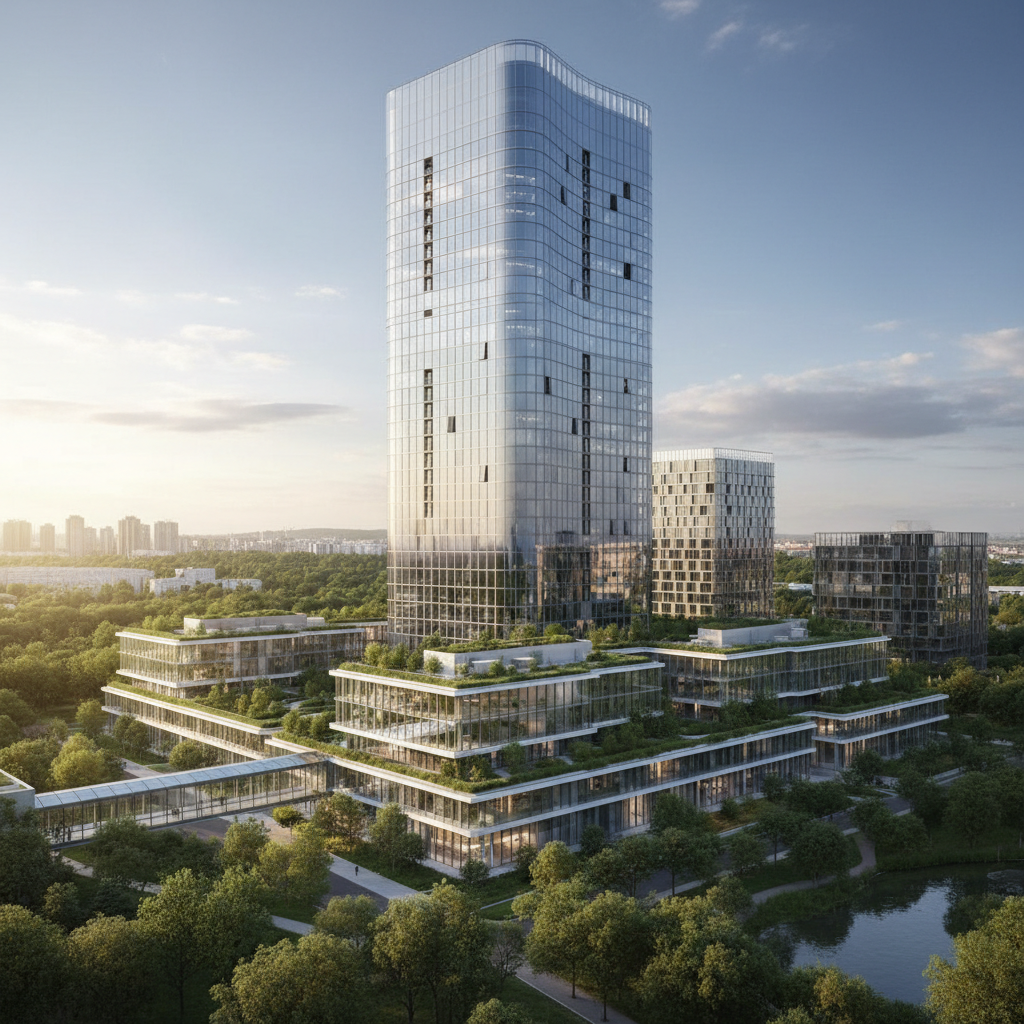
Moreover, architectural glass plays a pivotal role in meeting the stringent energy performance standards as outlined by organizations like the International Energy Agency (IEA). With rapid advancements in glass technologies, including low-emissivity coatings and insulated glazing systems, modern buildings can achieve higher energy ratings while maintaining aesthetic integrity. The versatility of architectural glass permits architects to push the boundaries of design, allowing for innovative façades and expansive views that foster a connection between the indoors and outdoors.
As we explore the top ten benefits of architectural glass for modern building design, it becomes evident that its integration is not merely a trend, but a fundamental aspect of contemporary architecture that supports sustainability, functionality, and design innovation.
Enhanced Aesthetic Appeal: Transforming Building Exteriors with Architectural Glass
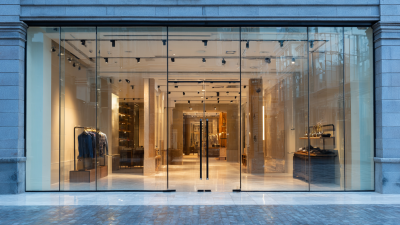
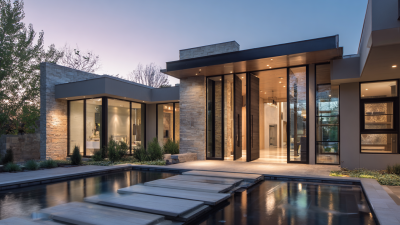
Architectural glass has become a defining element in modern building design, significantly enhancing the aesthetic appeal of structures. Its versatility allows for a wide range of applications, from sleek facades to intricate decorative elements, transforming how buildings interact with their surroundings. By employing glass in various forms, architects can create stunning visual impacts that reflect contemporary design trends while fostering a sense of openness and lightness.
The luminous quality of architectural glass not only brightens interiors but also adds a dynamic element to exteriors. Large glass panels facilitate a seamless connection between indoor and outdoor spaces, blurring the lines and inviting nature into architectural contexts. Additionally, the reflective properties of glass enable buildings to harmonize with their environment, adapting to changes in light and weather. This adaptability not only enhances visual comfort but also encourages creative expression among architects, allowing for truly unique and captivating designs that stand out in urban landscapes.
Energy Efficiency: Reducing Consumption and Lowering Utility Bills
Architectural glass plays a crucial role in enhancing energy efficiency in modern building design. By utilizing high-performance glazing, buildings can minimize energy consumption and significantly lower utility bills. The transparency of architectural glass allows natural light to penetrate interiors, reducing reliance on artificial lighting and, consequently, lowering electrical costs. Furthermore, advancements in glass technology, such as low-emissivity coatings, aid in regulating indoor temperatures by reflecting heat while allowing sunlight in. This not only contributes to comfort but also results in less demand on heating and cooling systems, which can considerably reduce energy expenses for homeowners and businesses alike.
In the context of rising energy prices, incorporating architectural glass is a pragmatic approach to managing costs. In tandem with other energy-saving strategies, such as using efficient appliances and conducting regular home audits to identify energy leaks, glass can be a key component in a comprehensive energy conservation plan. As the trend continues toward sustainable building practices, the integration of architectural glass is not just an aesthetic choice but a significant investment in reducing both energy consumption and utility bills, ensuring a more sustainable future for urban landscapes.
Natural Light Optimization: Improving Interior Environments through Glass Design

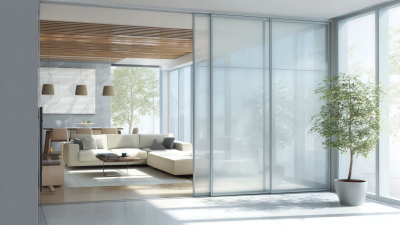
Natural light plays a pivotal role in enhancing the interior environments of modern buildings, and architectural glass has become a key element in this pursuit. According to the "International Journal of Sustainable Building Technology and Urban Development," optimizing natural light can reduce energy consumption by up to 30% in commercial buildings. This is particularly significant in an era where energy efficiency is a priority for sustainable design. By incorporating large glass facades and skylights, architects can create open, airy spaces that not only invite sunlight but also promote occupant well-being.
Studies have shown that access to natural light can significantly enhance productivity and mood. A report by the Lighting Research Center at Rensselaer Polytechnic Institute highlights that workers in environments with ample daylight exhibit a 20% increase in productivity compared to their counterparts in spaces with minimal natural light. Furthermore, exposure to daylight has been linked to improving sleep quality and reducing eye strain, making glass design not just an aesthetic choice but an essential feature for modern interior environments. As buildings evolve, leveraging architectural glass to harness natural light remains a defining trend of contemporary design practices.
Acoustic Benefits: Sound Insulation and Quiet Spaces in Urban Areas
Architectural glass plays a crucial role in modern building design, particularly when it comes to acoustic benefits. In urban areas, where noise pollution can be a significant concern, incorporating specialized acoustic glass can create quiet and serene spaces within buildings. This type of glass is engineered to absorb sound waves, reducing the transmission of external noise and helping occupants enjoy a more peaceful environment. From residential apartments to corporate offices, the application of acoustic glass ensures that urban dwellers can escape the bustling streets without leaving their homes or workplaces.
When choosing architectural glass for sound insulation, it is essential to consider the thickness and composition of the glass panels. Thicker glass typically offers better soundproofing, while laminated glass, which combines layers of glass with an interlayer to dampen vibrations, can provide additional acoustic benefits. Additionally, consider using window frames with excellent sealing properties, as drafts and gaps can compromise sound insulation.
Remember to also evaluate your building's orientation and surroundings. Strategic placement of windows and glass panels can enhance natural light while minimizing direct exposure to noise sources, such as busy roads or construction sites. Opt for double- or triple-glazed units that not only improve thermal performance but also contribute to overall acoustic comfort, ensuring that your modern building design remains a quiet sanctuary amid the urban landscape.
Top 10 Benefits of Architectural Glass for Modern Building Design - Acoustic Benefits: Sound Insulation and Quiet Spaces in Urban Areas
| Benefit |
Description |
Acoustic Performance (dB) |
Ideal Applications |
| Sound Insulation |
Reduces the transmission of sound between spaces, enhancing privacy and comfort. |
32-45 dB |
Residential, Offices |
| Noise Reduction |
Minimizes external noise from streets and urban environments. |
28-42 dB |
Hotels, Clinics |
| Vibration Dampening |
Helps to absorb sound energy from vibrations, providing a quieter environment. |
35-50 dB |
Auditoriums, Music Studios |
| Increased Focus |
Promotes a serene atmosphere conducive to work and study. |
30-44 dB |
Libraries, Offices |
| Design Flexibility |
Allows for various design options while maintaining soundproofing. |
Varies by thickness |
Commercial Buildings, High-Rises |
| Natural Light |
Maximizes daylight while minimizing outdoor noise levels. |
N/A |
Open Office Spaces, Retail |
| Energy Efficiency |
Helps regulate indoor temperatures and reduce HVAC noise. |
N/A |
All building types |
| Aesthetic Appeal |
Enhances the overall look of buildings while providing quiet spaces. |
N/A |
Public Buildings, Museums |
| Compliance with Regulations |
Meets specific sound insulation requirements for urban developments. |
Varies by location |
Residential, Commercial |
| Enhanced Comfort |
Creates a peaceful indoor environment, improving occupants' well-being. |
Varies |
All types of projects |
Sustainability: Eco-Friendly Solutions with Recyclable Glass Materials
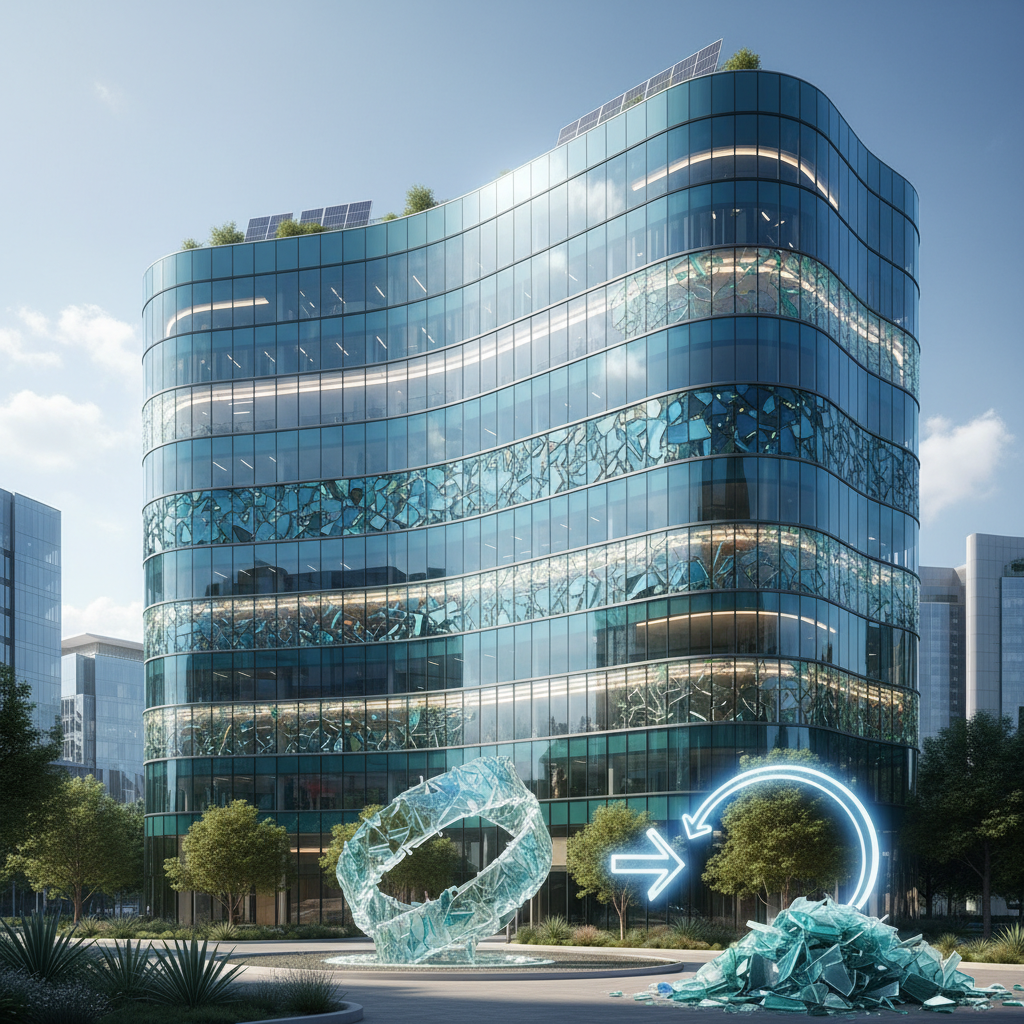
Architectural glass has become an essential component in modern building design, and its eco-friendly properties significantly contribute to sustainability efforts. Recyclable glass materials not only minimize environmental impact during production but also offer a sustainable lifecycle. When a building reaches the end of its life, glass can be easily reclaimed and repurposed, reducing the volume of waste sent to landfills. This ability to recycle ensures that valuable resources are preserved, promoting a circular economy in the construction industry.
Moreover, the use of architectural glass enhances energy efficiency in buildings, further supporting eco-friendly practices. Transparent glass allows natural light to flood interiors, reducing the need for artificial lighting and lowering energy consumption. Additionally, advancements in glass technology mean that many modern designs incorporate insulating properties, keeping buildings warmer in winter and cooler in summer. This combination not only reduces energy costs for occupants but also lessens the overall carbon footprint of the structure. As architects increasingly embrace these sustainable solutions, the role of recyclable glass in modern building design becomes ever more pivotal in shaping a greener future.