
Top 10 Benefits of Using Laminated Glass in Modern Architecture
In modern architecture, the aesthetic appeal and durability of materials play a crucial role in design and construction. One such material that has gained significant acclaim is laminated glass. According to a report by Transparency Market Research, the global laminated glass market is projected to reach USD 22 billion by 2026, underscoring the increasing adoption of this innovative material in architectural applications. Laminated glass is renowned not only for its safety features but also for its ability to enhance energy efficiency and provide superior sound insulation, contributing to a more sustainable built environment.
Renowned industry expert Dr. Emily Dawson, a senior architect at the International Glass Association, emphasizes its importance: "Laminated glass is revolutionizing how we approach modern structures, offering unparalleled advantages in both safety and design flexibility." This innovative material not only reinforces building integrity but also provides architects with the creative freedom to design spaces that are both functional and visually striking. As the architecture sector continues to evolve, laminated glass stands out as a key component shaping the future of modern buildings.
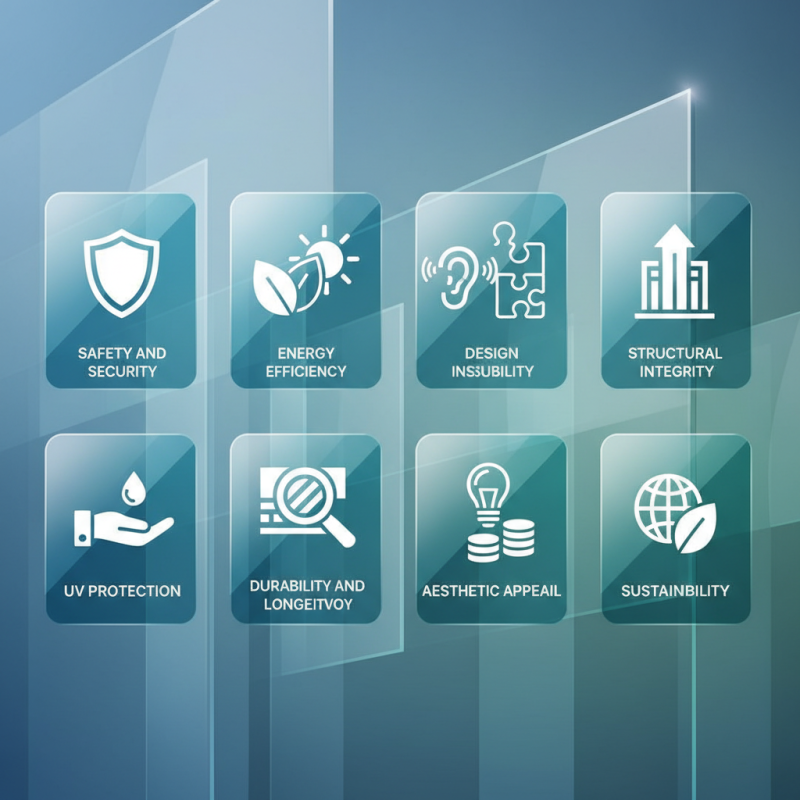
Advantages of Laminated Glass in Energy Efficiency and Insulation
Laminated glass is becoming increasingly popular in modern architecture, particularly due to its exceptional energy efficiency and insulation properties. One of the key advantages of laminated glass is its ability to reduce energy consumption. By incorporating multiple layers, laminated glass effectively minimizes heat transfer between the interior and exterior of a building. This results in a more stable indoor climate and less reliance on heating and cooling systems, ultimately leading to lower energy bills.
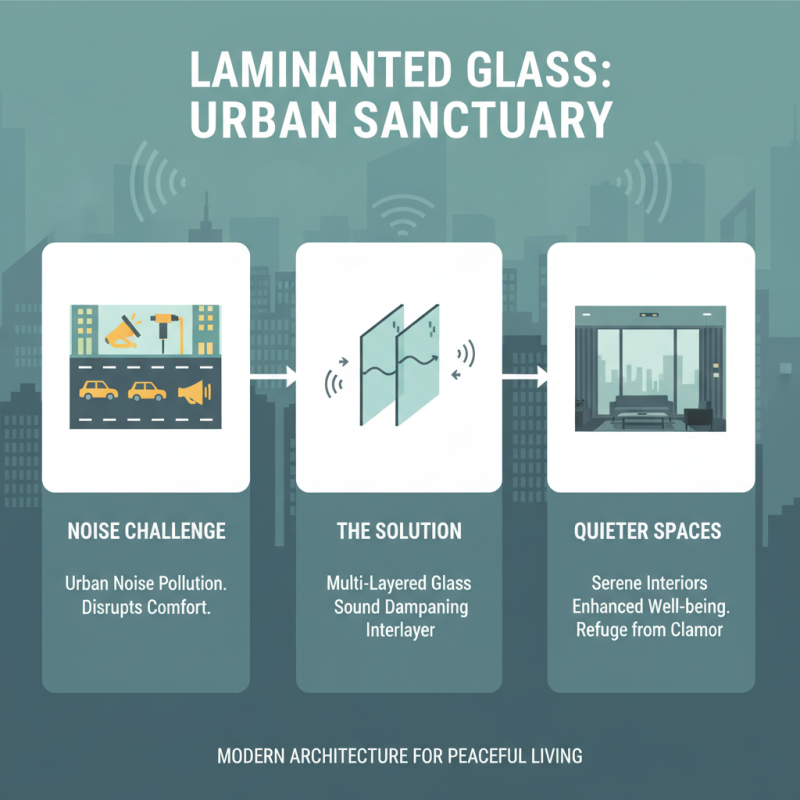
In addition to its energy-saving capabilities, laminated glass also enhances insulation against sound. The interlayer between the glass sheets acts as a barrier to noise, making it an excellent choice for urban environments where sound pollution is prevalent. This contributes to a more comfortable living and working space, promoting productivity and well-being. Furthermore, laminated glass helps protect interiors from ultraviolet (UV) radiation, reducing potential damage to furniture and fabrics while maintaining a comfortable atmosphere. Overall, the advantages of laminated glass play a significant role in advancing sustainable and modern architectural design.
Top 10 Benefits of Using Laminated Glass in Modern Architecture - Advantages of Laminated Glass in Energy Efficiency and Insulation
| Benefit | Description | Impact on Energy Efficiency | Impact on Insulation |
|---|---|---|---|
| Noise Reduction | Laminated glass significantly reduces external noises, promoting a peaceful indoor environment. | Helps in maintaining a comfortable temperature, indirectly saving energy. | Enhances indoor acoustics and comfort levels. |
| UV Protection | Blocks up to 99% of harmful UV rays, protecting furnishings and minimizing skin exposure. | Reduces reliance on artificial lighting, thus saving energy. | Protects interior elements from fading and damage. |
| Safety and Security | Difficult to break, providing protection against break-ins and accidents. | Adds a layer of safety, possibly reducing energy used in lighting emergencies. | Contributes to overall building safety, enhancing insulation performance. |
| Energy Efficiency | Reduces thermal transfer, leading to lower heating and cooling costs. | Directly enhances energy efficiency of buildings. | Improves thermal insulation properties. |
| Aesthetic Appeal | Available in various finishes and colors, providing design flexibility. | Potentially reduces the need for additional light sources due to better aesthetics. | Enhances overall look while aiding insulation. |
| Condensation Control | Minimizes interior condensation which can lead to mold growth. | Ensures consistent indoor climate, reducing energy requirements. | Prevents moisture issues that can impact insulation effectiveness. |
| Durability | Resists scratches and wear over time, prolonging lifespan. | Less frequent replacements contribute to energy savings in production. | Maintains insulation value longer due to reduced need for replacements. |
| Increased Property Value | Higher market appeal leading to potentially increased property values. | Efficient features can demand higher rents/sale prices. | Better insulation can be a selling point for energy-conscious buyers. |
| Reduced Glare | Laminated glass helps to lessen glare from the sun. | Leads to lesser use of window coverings and artificial lighting. | Helps in maintaining a comfortable indoor atmosphere. |
| Environmental Benefits | Sourcing can include recycled materials, contributing to sustainability. | Energy-efficient buildings reduce overall carbon footprints. | Contributes to eco-friendly building initiatives enhancing thermal management. |
Related Posts
-

What is Laminated Glass? Benefits, Types, and Applications Explained
-

10 Best Commercial Glass Door Options for Modern Businesses in 2023
-

Unlocking Safety and Style with Glass Handrail Systems Benefits
-
Exploring Glass Door Pulls Trends at the 2025 China Import and Export Fair
-
Enhancing Home Security: The Ultimate Guide to Choosing the Right Door Hardware
-
How to Choose the Best Sliding Glass Door Locks for Your Home Security