
Select Page

What Are the Best Slim Frame Aluminum Sliding Doors in 2026?

Choosing the best Slim frame aluminum sliding doors in 2026 means looking beyond a narrow frame and a polished product photo. A slim profile can open up a view, but everyday performance depends on more than appearance. How smoothly does the panel move? How well do the seals manage wind and rain? Can the glass size, frame finish, and track suit the actual opening?

Architect Ludwig Mies van der Rohe’s famous design maxim, “Less is more,” offers a useful lens for this topic. It is a design principle, not a product guarantee. For sliding doors, less visible framing can make a room feel brighter and connect it visually to a patio or garden. But the details matter. A shallow track may look clean, yet accessibility, drainage, and installation conditions still deserve careful attention.

This guide will compare key features, including frame proportions, glazing options, thermal performance, hardware, and maintenance. It will also explain what to check in product specifications and which questions to ask a supplier or installer. No single door is best for every home. A coastal site, a windy elevation, and a sheltered apartment balcony may call for different choices. Even attractive designs can have trade-offs, and product claims should be checked against documented specifications. The aim is a clearer shortlist—not a promise that one model fits everyone.
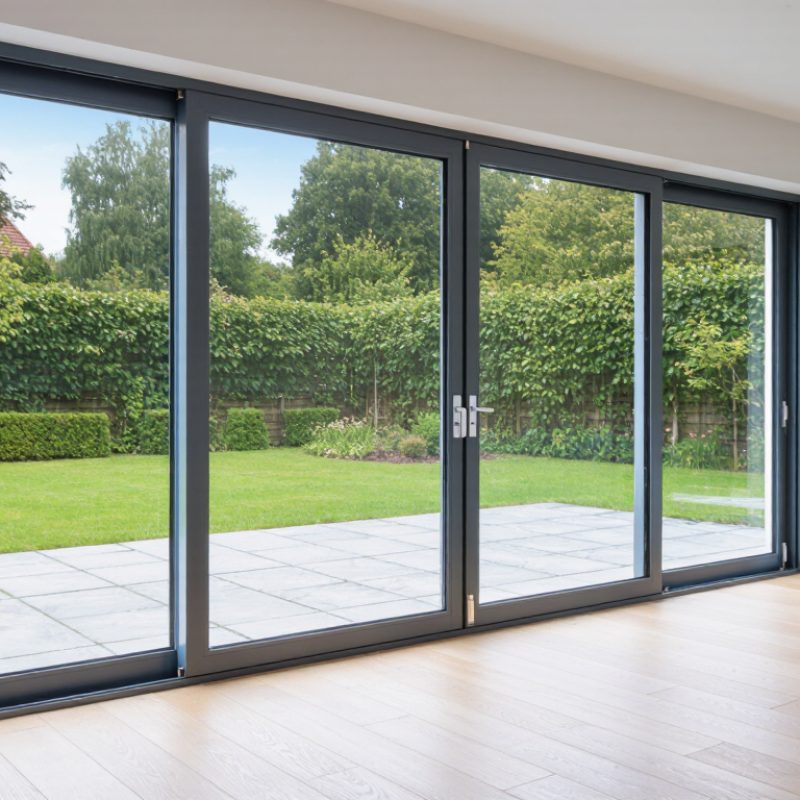
What Are the Best Slim Frame Aluminum Sliding Doors in 2026?

What Defines a Slim Frame Aluminum Sliding Door in 2026?

A slim frame aluminum sliding door is defined by narrow visible profiles around large glass panels, not by one universal measurement. In 2026, “slim” remains a design description, so compare the stated sightline—the frame width you can see—rather than relying on the label alone.

A few millimeters can change the view noticeably. Still, appearance is only part of the definition.

The aluminum frame must support the glass while keeping panels aligned through daily use. Look for suitable roller capacity, smooth movement, secure locking, and drainage paths that direct water away from the interior. Thermal breaks and tested air and water performance also matter, especially where temperatures vary.

Ask for documented test results and confirm that the figures apply to the complete door configuration, not just one component. A narrow frame can tempt buyers to focus on glass area; I would pause there.

The opening, glass weight, installation, and local exposure all affect real performance. Some slim designs may trade a little insulation or hardware flexibility for a cleaner sightline. Check the details before choosing.

How Frame Design Affects Glass Area, Strength, and Thermal Performance

Slim-frame aluminum sliding doors create a wider, cleaner view, but the frame is more than a border. Narrow sightlines can increase the proportion of glass, bringing more daylight into a room. Yet smaller profiles leave less material to resist wind loads and support heavy glazing. Strength depends on alloy, frame depth, reinforcement, panel size, and tested hardware—not appearance alone. Slim is not automatically better.

Thermal performance also depends on the whole assembly. Aluminum conducts heat readily, so a thermal break separating interior and exterior frame sections can reduce heat transfer. The U.S. Department of Energy’s Energy Saver guidance estimates that windows account for about 25–30% of residential heating and cooling energy use; this figure concerns windows, not sliding doors specifically. Compare whole-product NFRC ratings, especially U-factor, rather than judging performance by glass specifications alone. Installation and weather seals matter, too. Small gaps count.

Tips: Ask for certified performance data for the exact door configuration, including its glass, frame, and size. Check that testing reflects your local wind exposure. A large glass panel may look elegant, but I would not assume a thinner frame is the better choice without engineering evidence. Review the threshold and perimeter seals on site; even a high-rated product can disappoint if fitted poorly.

Which Features Distinguish the Best Sliding Door Systems?

The best slim-frame aluminum sliding doors balance narrow sightlines with enough strength to support large glass panels. A thin profile looks elegant, but stiffness matters when panels are tall or exposed to wind. Check the system’s tested panel sizes and installation requirements, not just the frame width shown in a photograph. A few extra millimeters may be a worthwhile trade for smoother operation.

Thermal breaks separate the exterior aluminum from the interior frame, helping reduce heat transfer and condensation. Pair them with suitable glazing for your climate; glass choice affects comfort, noise, and energy use. Look closely at the rollers, too. Quality hardware should move a loaded panel steadily, without scraping or rattling. It should also be accessible for adjustment or replacement.

Small details matter. Effective seals, a clear drainage path, and well-designed interlocks help manage wind-driven rain and drafts. Ask how the sill handles water, especially if the door faces heavy rain or sits near flooring that cannot tolerate moisture. Locking points should engage cleanly, while handles remain comfortable to use. A very low threshold can improve access, but may require more careful water management. The installation opening, site exposure, and maintenance plan can change which system is genuinely the best fit.

What Are the Best Slim Frame Aluminum Sliding Doors in 2026? Which Features Distinguish the Best Sliding Door Systems?

System Type Frame and Sightlines Operation Thermal Performance Glazing and Seals Best Fit Key Trade-Off
Thermally broken slim-frame slider Narrow aluminum profiles with an insulating material separating the interior and exterior frame sections. Conventional sliding panels run on rollers along a track. The thermal break reduces heat transfer through the frame; whole-door performance depends on the complete tested assembly. Often accommodates insulated glazing units; specify compatible gaskets, drainage, and glazing thickness. Homes seeking narrow sightlines with improved insulation compared with an unbroken aluminum frame. Thermal performance and maximum panel size vary by design, glass, hardware, and installation.
Lift-and-slide system Typically uses a robust frame and hardware designed to support large, heavy glazed panels. Turning the handle lifts the panel off its seals for movement; closing lowers it back onto the seals. Can provide effective closed-position sealing, but performance must be confirmed for the specific tested configuration. Designed for substantial glazing; check the specified glass build-up and seal arrangement. Large openings and panels where smooth movement and a secure closed position are priorities. Hardware and frame may be more substantial than on a standard slim sliding system.
Multi-panel sliding system Several panels move on parallel tracks; the visible frame area depends on the number of panels and meeting stiles. Panels slide past one another, with some layouts allowing panels to stack or collect at one side. Performance depends on the number of joints, frame design, glazing, and weather seals. More panel junctions require careful attention to interlocks, gaskets, and water management. Wide openings where a broad glazed area and flexible panel layout are desired. More moving panels and joints can increase complexity and reduce the clear opening relative to the overall width.
Unbroken aluminum sliding system Aluminum frame without a thermal break; profiles can be visually slim. Conventional sliding operation on rollers and tracks. Aluminum conducts heat readily, so an unbroken frame generally offers less resistance to heat flow than a comparable thermally broken frame. Glass and seals still affect overall results; condensation risk can be higher in cold conditions. Projects in mild climates or interior applications where thermal insulation is less important. Often a poor choice where strong insulation or reduced interior-surface condensation is required.
Recessed-track slim slider Track can be recessed into the floor for a more continuous threshold appearance. Sliding panels travel along a concealed or partially concealed track. Thermal performance is determined by the frame and glazing; threshold detailing also affects the complete assembly. Drainage and weather resistance depend on the sill design, track drainage, and installation details. Projects prioritizing a level-looking transition between indoor and outdoor areas. Requires careful coordination of floor levels, drainage, accessibility, and maintenance access.

Selection note: “Best” depends on the opening, climate, glass specification, accessibility needs, and installation. Compare independently tested whole-door air leakage, water penetration, structural performance, and thermal data for the exact configuration—not frame appearance alone.

How to Compare Slim Frame Doors for Different Buildings

Comparing slim-frame aluminum sliding doors starts with the building, not the catalog. A south-facing living room needs different glass performance from a shaded office corridor. Measure the opening, wall depth, sill condition, and likely wind exposure before comparing frame widths. Looks are only part of it. A narrow profile can admit more daylight, yet leave less room for drainage channels or robust hardware. Check the tested panel size and weight, not just the advertised frame sightline. I would not assume that the slimmest frame is automatically the best choice.

For a renovation, confirm that the existing structure can support the door and that the threshold suits everyday access. In a multi-storey building, ask for documented air, water, and structural test results for the proposed configuration. A large glass panel may look elegant, but can feel heavy to slide if the hardware is poorly matched. Not always. Compare handle reach, locking points, available opening width, and glass options against how people actually use the room. Coastal sites may need a finish specified for local exposure; confirm maintenance guidance in writing. One detail is easy to miss: installation quality affects sealing and smooth operation, so ask who will check the finished opening. I might prioritize daylight too quickly. Reconsider that choice when heat, noise, or frequent cleaning matters more.

What Are the Best Slim Frame Aluminum Sliding Doors in 2026?

How to Compare Slim Frame Doors for Different Buildings: start by checking that the clear opening meets accessibility requirements.

How to read this: Where U.S. ADA requirements apply, an accessible door must provide at least 32 inches of clear opening width. This is a code minimum—not a recommended door size or a measure of product quality. Measure the actual clear opening, and check local codes and the door’s tested specifications before selecting a system.

Source: 2010 ADA Standards for Accessible Design, Section 404.2.3. Values shown are the same minimum threshold across these settings, not building-specific measurements.

What to Check Before Choosing and Installing a Door

Before choosing a slim-frame aluminum sliding door, measure the opening at the top, middle, and bottom. Check both height and width; older walls are rarely perfectly square. Note the finished floor level, too. A track that sits higher than expected can create a small but annoying step.

Look beyond the frame’s narrow sightline. Ask what glazing is specified, how the rollers adjust, and whether replacement hardware will be available. Check thermal performance for your climate, not just the appearance of the glass. If the door faces strong wind or driving rain, ask how its seals and drainage channels manage water. Small details matter.

Installation needs a sound, level support beneath the track and a structurally suitable fixing surface. Confirm who handles flashing, perimeter sealing, and any required adjustments after the frame settles. Keep the manufacturer’s clearances in the installation documents; guessing with shims can leave panels rubbing or seals uneven. A useful reality check: slim frames look elegant, but a narrow profile alone does not guarantee smooth operation. It is easy to over-focus on the sightline. Don’t overlook access for cleaning the track, especially where dust or leaves collect.