Select Page

How to Choose a Large Pivot Door for Your Home?

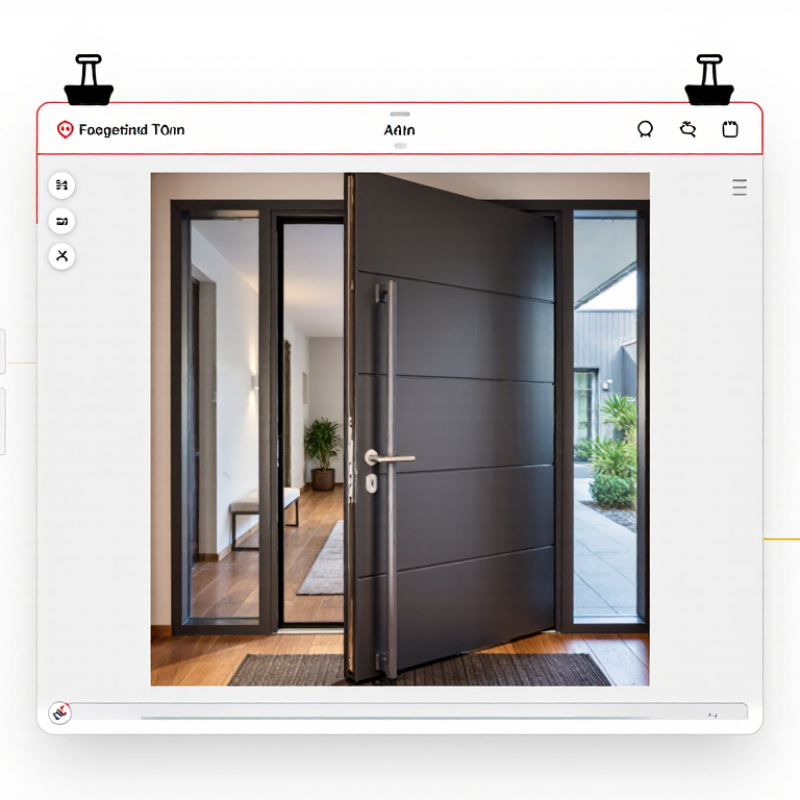
A Large Pivot Door can make an entrance feel open and architectural, but its size changes how the whole entry works. The door must swing smoothly, sit securely, and leave enough room for people, furniture, and nearby walls. A beautiful finish cannot fix poor clearance. That part is easy to underestimate.

Choosing well starts with accurate measurements and realistic expectations. Check the opening width and height, the available swing area, and the floor condition before comparing designs. Pivot hardware also needs to suit the door’s weight and dimensions; confirm these limits with the manufacturer or a qualified installer. Glass, timber, and metal each bring different maintenance needs, insulation performance, and visual character. A dark metal door may look striking, yet show dust more readily than expected. Small detail.

Think about daily use, too. Will children or older adults use the entrance? Does the door face strong wind or direct sun? These questions help narrow choices for glazing, seals, handles, and finishes. Product specifications and installation guidance are more dependable than appearance alone. If measurements or structural support are uncertain, ask a professional to assess them before ordering. There is no single ideal Large Pivot Door for every home. The right choice balances proportion, operation, durability, and the way your household actually moves through the space. Sometimes, a simpler design performs better.

How to Choose a Large Pivot Door for Your Home?

Measure the Opening and Define How the Door Will Be Used

Start with the finished opening, not the rough framing. Measure the width at the top, middle, and bottom, then record the smallest figure. Measure the height at both sides and the center. Use the smallest measurements when discussing the door size. Include the finished floor and any planned trim; both can reduce clearance. A few millimeters matter. Don’t assume the opening is square just because it looks that way. If measurements differ, ask a qualified door professional to confirm the frame and clearances before ordering.

Then define how the door will be used each day. A patio entrance may need a wide, unobstructed passage for people carrying bags or furniture. An interior divider may need to control sightlines while still letting light through. Mark the door’s swing arc on the floor with tape, and check nearby walls, cabinets, and walkways. Large pivot doors need room to rotate, and their weight and pivot position affect how they feel in use. I would recheck the measurements after flooring and trim plans are settled; this step is easy to overlook, even on a careful renovation.

Choose a Suitable Door Material, Finish, and Glazing

A large pivot door is a moving wall, so its material must suit both the opening and the weather. Timber brings visible grain and warmth, but broad panels can shift with seasonal humidity. Aluminum offers a slimmer frame and steady geometry; ask whether the frame includes a thermal break. Steel feels substantial, though its weight affects pivot hardware and installation. Check the door’s stated weight capacity and have the floor and head support assessed before ordering. Small details matter. A dark exterior finish can absorb more sun, so inspect a sample outdoors at different times of day.

Glazing changes comfort, privacy, and the door’s visual weight. The U.S. Department of Energy’s Energy Saver guidance estimates that windows account for 25–30% of residential heating and cooling energy use, making glass performance worth checking. Compare the whole door’s U-factor and solar heat gain coefficient, not just the glass description; NFRC ratings help make these figures comparable. Low-emissivity glazing can limit heat transfer, while clear glass keeps a bright entry but reveals more of the interior. Consider laminated or insulated units where appropriate, and confirm safety-glazing requirements for your location. I’d still test a finish sample beside the actual floor: online colors can mislead.

How to Choose a Large Pivot Door for Your Home? — Choose a Suitable Door Material, Finish, and Glazing

Compare common door materials and glazing options. Size, weight capacity, and suitability depend on the door design, pivot hardware, structural support, and local building requirements.
Door Material Typical Strengths Finish Options Glazing Choices Maintenance Suitable For
Solid timber Warm natural appearance; can be made with a substantial, solid feel. Timber can expand or contract as humidity changes. Clear or tinted stain, paint, or a protective clear coat. The finish should be suitable for the door’s exposure to sun and weather. Can be combined with a glazed panel when the door is designed and reinforced for it. Inspect the finish periodically and maintain it as recommended, especially on exterior faces and edges. Homes seeking a natural look, provided the door is appropriately engineered for its size and climate.
Aluminum Lightweight relative to many solid door materials and resistant to corrosion when properly finished. Thermal performance depends on the frame design. Powder-coated colors or anodized finishes are common. Ask how the finish is rated for the intended exposure. Often used with single or insulated glazing, depending on the frame system and energy requirements. Usually requires routine cleaning and checks of seals, hardware, and drainage details. Contemporary designs and projects where a slim frame or large glazed area is desired.
Steel Strong and suitable for slim-profile designs when correctly specified. Protective treatment is important to help prevent corrosion. Painted or powder-coated finishes; exposed steel may need additional corrosion protection depending on the environment. Can incorporate safety glazing. The frame and glass specification should be selected together. Check the coating for damage and address exposed areas promptly, particularly in damp or coastal conditions. Designs that call for narrow sightlines and a strong frame, with suitable protective finishing.
Timber-aluminum composite Combines a timber interior appearance with an exterior aluminum cladding in many system designs. Interior timber stain or clear coat paired with a factory-finished exterior cladding. Available with glazing in systems designed to accept the selected glass thickness and weight. Maintain the interior timber finish and clean the exterior cladding; inspect seals and hardware. Projects seeking a timber interior and a more weather-resistant exterior surface.
Tempered safety glass Provides a clear view and allows daylight through. Tempered glass is heat-treated; safety-glazing requirements vary by location and application. Clear, tinted, patterned, or obscured glass; appearance and solar performance vary by specification. Use a glass type and thickness approved for the door system. Laminated safety glass may be required or preferred in some locations. Clean with a non-abrasive glass cleaner and inspect glazing seals and edges. Doors where daylight and visibility are priorities, subject to privacy, energy, and safety needs.
Insulating glass unit Two or more panes separated by a sealed space can improve thermal performance compared with a single pane; actual performance depends on the unit and frame. Clear, low-emissivity, or solar-control glass options may be available. Confirm the specified performance values. Often selected for exterior doors where energy performance is important. The complete door assembly affects overall results. Keep the unit’s seals protected and have any failed or damaged glazing assessed by a qualified professional. Exterior entrances in climates where reducing heat transfer is a design priority.

Check Pivot Hardware, Door Weight, and Clearance

A large pivot door places concentrated loads on its pivot points, so match the hardware rating to the finished door’s weight and height. Include cladding, glass, handles, and any added panels in that estimate. Ask for the pivot set’s published maximum weight and door-size limits; a heavy slab that merely fits the rating may still feel difficult to move. ANSI/BHMA A156.4 covers door closers, not pivot capacity, so closer ratings are not a substitute for pivot-system specifications. Check the floor and head structure, too. A small installation error can make a tall door rub or drift.

Clearance needs a full swing check, not just a tape measure across the opening. Mark the door’s arc on the floor, then test nearby walls, furniture, lighting, and walking paths. The U.S. Access Board’s 2010 ADA Standards specify a 32-inch minimum clear opening for accessible doorways; use this as a planning benchmark, while checking the requirements that apply to your project. Pivot offset changes the usable opening. That detail is easy to overlook.

Tips: Confirm the finished door weight in writing. Mock up the swing with tape before ordering. Leave room for handles, and check clearance on both sides. I’ve seen generous openings feel cramped once a long pull handle enters the path. Some homes simply need a smaller door.

How to Choose a Large Pivot Door: Estimated Slab Weight by Material

Approximate weights for a solid 1.0 × 2.4 m door slab at 45 mm thick, calculated from representative material densities. Actual weight varies with species, moisture, construction, and hardware.

Use the slab’s actual weight—not a material estimate—to select pivot hardware, and choose a system with a rated capacity above the complete door weight. Before installation, confirm the manufacturer’s requirements for door dimensions, pivot position, floor and head clearance, and surrounding finishes.

Compare Insulation, Weather Sealing, and Security Features

A large pivot door can feel impressive, but its size also makes insulation and sealing important. Look for an insulated door core or, if it includes glass, glazing designed to reduce heat transfer. A thermal break in the frame can help limit cold spots near the edges. Check that seals compress evenly when the door closes. Small gaps can let in drafts, rain, and street noise. Performance depends on installation, too; even a well-made door may underperform if the frame is out of square.

Weather protection deserves close attention at the threshold. Ask how water drains away and whether the bottom seal suits your entry’s exposure. For security, check the locking points, frame reinforcement, and how the pivot hardware is anchored. A heavy door is not automatically a secure one. Request test information for the complete door assembly, not just one component. I would not choose by appearance alone; the details can be easy to miss.

Tips: Visit during windy or cold weather if possible. Feel around the frame for drafts, and inspect the seals for continuous contact. Confirm who handles adjustment after installation. Pivot doors may need tuning as they settle, and that detail is easy to overlook.

Plan Installation, Budget, and Ongoing Maintenance

How to Choose a Large Pivot Door for Your Home?

Plan Installation, Budget, and Ongoing Maintenance

A large pivot door can look effortless, but its weight makes structure, clearance, and hardware critical. Ask a qualified installer to check the wall framing, floor capacity, and pivot anchoring before ordering. Confirm the door’s swing will not hit a nearby wall, step, or light switch. Measure twice.

Budget beyond the door itself. Include delivery, structural work, installation, weather seals, and any finish upgrades. Houzz’s 2024 U.S. Houzz & Home Study reported a $24,000 median renovation spend for 2023; this is broad context, not a pivot-door price. Remodeling’s 2024 Cost vs. Value Report put a standard steel entry-door replacement at $2,355 nationally. That is a useful comparison, not a quote for a large pivot system. I would treat resale figures cautiously; a standard replacement is not the same project.

Plan for upkeep, too. Ask the installer which lubricant suits the pivot hardware, and follow the hardware maker’s service schedule. Check the pivot, seals, and threshold at least once a year for wear, dirt, or water entry. Wipe the track and exposed surfaces with a soft cloth; harsh cleaners may damage some finishes. Dust happens. If the door starts scraping or drifting, stop adjusting it blindly and have the alignment inspected. A small installation flaw can become an expensive annoyance.