How to Choose the Best Construction Tarpaulin for Your Needs?
Choosing the right Construction Tarpaulin is crucial for project success. Industry expert John Smith states, “A quality tarpaulin protects your work and investment.” In the field of construction, tarpaulins serve multiple purposes. They shield materials, protect workers, and cover equipment from harsh weather conditions. Selecting the best tarpaulin can impact your project's timeline and budget.
When it comes to construction tarpaulins, not all options are created equal. Different materials, thicknesses, and coatings provide varying levels of durability and protection. For example, heavy-duty polyethylene tarps resist tearing and are waterproof. On the other hand, lighter options may suffice in less demanding situations. Your choice should align with your specific needs and the environment of your project.
It's also important to reflect on possible shortcomings. Many overlook the importance of UV protection, which can cause wear over time. Some might choose cost over quality, leading to failures and delays. Be mindful of these pitfalls to ensure you make the best decision for your construction tarpaulin needs.
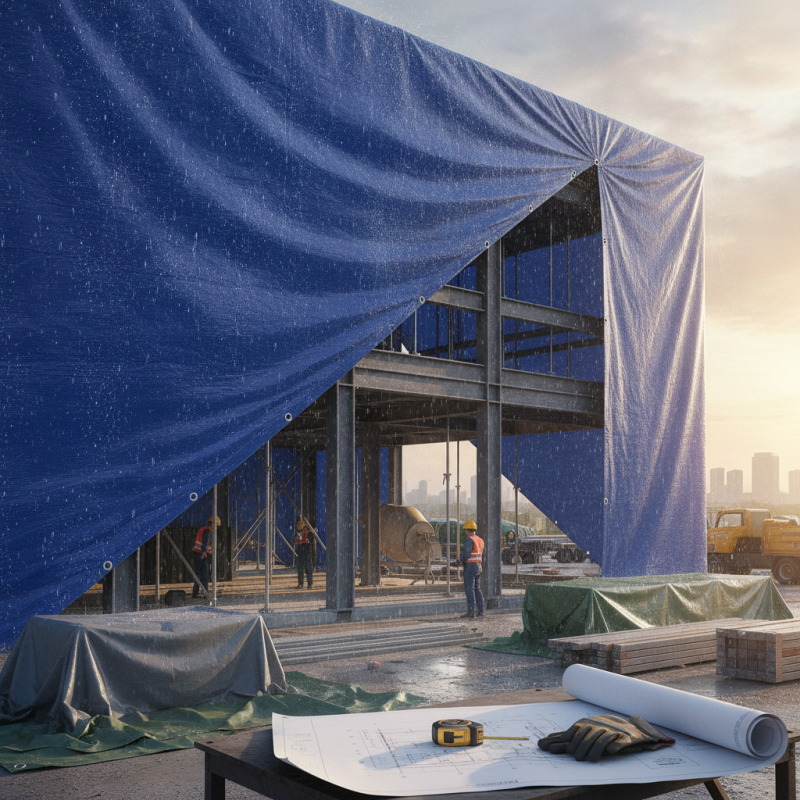
Understanding Different Types of Construction Tarpaulins Available
When choosing a construction tarpaulin, understanding the various types available is essential. There are generally three main types: polyethylene, canvas, and vinyl. Polyethylene tarps are lightweight and waterproof, making them ideal for short-term projects. However, their durability is limited. Canvas tarpaulins are more robust and breathable, suitable for long-term use. Yet, they can be heavier and may not offer complete water resistance. Vinyl tarps, known for their strength, are perfect for heavy-duty applications but can be more expensive.
Tips: Consider the project duration. For temporary needs, polyethylene might suffice. For extensive work, canvas or vinyl are preferred. Make sure to evaluate the expected weather conditions as well. If you're often exposed to harsh elements, using a more robust material is advisable.
Size is another critical factor. Tarps come in various sizes, and choosing one too small can lead to exposure. A tarp that is excessively large can be cumbersome and unwieldy. Moreover, reflect on your storage options. A bulky tarp can be a hassle to store when not in use. Balancing size with practicality is key to making the right choice.
Assessing Material Strength and Durability for Your Project Needs
When selecting a construction tarpaulin, material strength is crucial. Different projects demand different levels of durability. The thickness of the material often indicates its resistance to tears and wear. For instance, a thicker tarp typically withstands harsh weather better than thinner options. However, it can also be heavier and harder to maneuver.
Durability includes both weather resistance and lifespan. Look for tarps with UV protection. This feature prevents degradation from sun exposure, extending the tarp's use. Water resistance is equally important. Some materials will repel water more effectively than others. Pay attention to seams and grommets; weak points can lead to premature failure.
Choosing the right material means understanding your specific needs. Sometimes, a tarp may seem perfect but isn’t suited for your environment. Reflect on factors like exposure to elements, transportation, or storage. No one tarp fits all. Your choice should balance strength with practicality. It’s essential to consider how often you will use it and under what conditions.
Evaluating Size and Coverage Options for Effective Protection
Selecting the right construction tarpaulin involves understanding size and coverage. A well-chosen tarpaulin provides effective protection against elements. According to industry reports, 73% of construction sites face damage from moisture intrusion. Proper coverage is essential to mitigate this risk.
When evaluating size, consider the area needing protection. A tarpaulin should extend slightly beyond the target area to prevent water pooling. Data shows that tarpaulins that cover an additional foot on all sides reduce potential leaks by 50%. Some sites may need larger tarpaulins, leading to a higher initial cost. However, the reduced downtime from water damage can offset this expense.
Coverage options come in various materials, such as polyethylene and canvas. Polyethylene may be lighter and easier to handle, but canvas offers durability. In a survey, 60% of contractors reported using canvas for long-term projects, citing its resilience. Reflecting on these elements helps in selecting the most effective tarpaulin. Remember to balance immediate needs with long-term investments for the best outcome.
Considering Weather Resistance Features: UV, Waterproof, and Windproof
Choosing the right construction tarpaulin is essential, especially considering weather resistance features. UV protection is key for outdoor applications. Tarpaulins with high UV resistance will prevent cracking and fading. This characteristic is crucial for health and longevity. A lesser-quality tarp may degrade quickly in sunlight, leading to unexpected costs.
Waterproofing is another vital aspect. A waterproof tarpaulin will keep tools and materials dry during unexpected rain. Ensure you check the seams and waterproof ratings before purchase. Even minor leaks can cause significant damage over time. Windproof features also play a role in severe weather. Tarps that can withstand strong winds will reduce the risk of tearing and protect your materials.
When assessing these features, it's important to think about specific needs. Not all construction sites face the same weather challenges. Reflecting on past experiences can guide your choice. Avoid hasty decisions. The right tarpaulin might require some research. Assess durability based on genuine reviews. Each element—UV, waterproof, and windproof—contributes to a tarp that can withstand outdoor conditions effectively.
Analyzing Cost vs. Quality: Finding the Right Balance for Your Budget
When selecting a construction tarpaulin, cost and quality are often at odds. You want durability but also need to stick to a budget. Many affordable tarpaulins exist, but they may not withstand harsh weather. Lower quality options can tear easily, leading to wasted money. Assessing the long-term value of a tarpaulin is crucial.
Investing in a higher-quality tarpaulin offers reliability. These durable options can resist UV damage and heavy rainfall. It might seem expensive upfront, but the cost-per-use becomes favorable over time. Consider how frequently you will use the tarpaulin. Will it be exposed to abrasive conditions? That can influence your decision. Sometimes, spending a bit more now saves you from replacing cheaper options repeatedly.
Identifying the right balance requires research. Explore different materials and their properties. Seek out user reviews and expert opinions. Familiarize yourself with warranties. Manufacturers that provide assurance show confidence in their products. A trusted source can save you from making uninformed choices. The goal is to find a tarpaulin that suits your specific needs without compromising on quality.
How to Choose the Best Construction Tarpaulin for Your Needs?
| Type of Tarpaulin | Material | Weight (g/m²) | Water Resistance | UV Protection | Price Range (USD) |
| Heavy Duty Tarp | Polyethylene | 250 | Yes | Yes | 50 - 120 |
| Canvas Tarp | Cotton/Polyester | 400 | No | Yes | 70 - 150 |
| Lightweight Tarp | Polyethylene | 120 | Yes | No | 20 - 50 |
| Vinyl Tarp | Vinyl Coated Polyester | 550 | Yes | Yes | 100 - 250 |