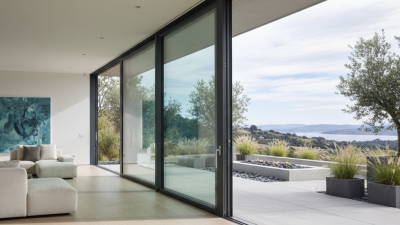
How to Choose the Right Architectural Glass for Your Project?
Choosing the right architectural glass for your project is crucial. It impacts not only aesthetics but also functionality. Architectural glass comes in various types, each designed for specific needs. Understanding these options enhances your decision-making process.
Incorporating glass into your design can elevate the overall appeal. However, the choice can be overwhelming. Different finishes, thicknesses, and tints require careful consideration. For instance, tempered glass offers safety benefits. Laminated glass provides sound insulation, which could be essential in urban areas. Reflective coatings can reduce energy costs by minimizing heat.
Every project is unique. Therefore, what works for one might not suit another. It’s essential to consult experts in the field. They often provide insights based on experience and knowledge. Reflecting on your project's requirements before making a choice is vital. Ultimately, finding the perfect architectural glass demands reflection and careful evaluation.

Understanding the Different Types of Architectural Glass Available
When selecting architectural glass, understanding its types is crucial. Various options cater to different building needs.
Tempered glass, for example, is known for its strength and safety. It can withstand higher impacts and is less likely to shatter dangerously.
Laminated glass offers sound insulation and UV protection. It's ideal for areas requiring noise reduction.
Tips: Always assess the specific requirements of your project. Consider energy efficiency ratings. This can impact long-term costs.
Insulated glass units can reduce heating and cooling expenses significantly.
Another option is low-emissivity (Low-E) glass, which minimizes heat transfer. This type can enhance energy efficiency and comfort inside buildings.
It’s important to analyze the orientation of your windows. This affects solar gain and the building's overall performance.
For projects in noisy areas, can provide a quieter indoor environment.
When making a choice, think about aesthetics too. Different types of glass can dramatically change privacy levels and visual appeal.
Reflective glass might seem striking, but it can lead to excessive glare for occupants.
Balancing design and function is key. Reflect on how each type aligns with your project's goals and surroundings.
Evaluating Performance Characteristics for Specific Architectural Needs
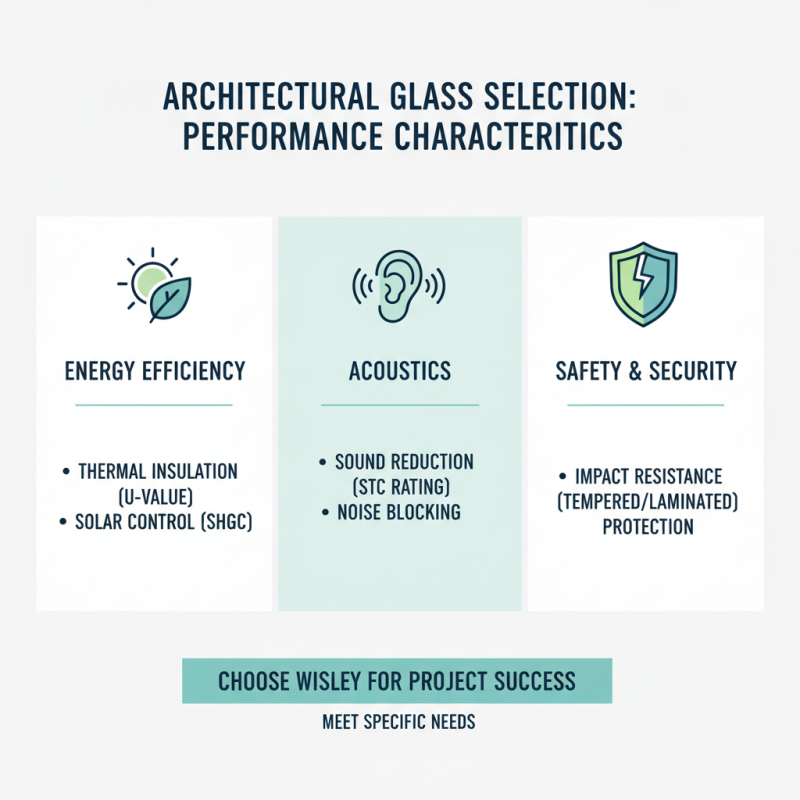
Choosing the right architectural glass is crucial for the success of any project. Each type of glass has distinct performance characteristics. These can influence energy efficiency, acoustics, and safety. Understanding these factors helps ensure the glass meets your specific needs.
When evaluating glass, consider thermal performance. Low-emissivity (Low-E) coatings minimize heat loss and control solar gain. This helps maintain comfortable indoor temperatures. Sound insulation is another critical factor, especially in urban areas. Laminated glass can significantly reduce noise from outside.
Tip: Always assess the building's location and intended use. A residential space might have different requirements than a commercial structure.
You should also account for safety and security. Tempered glass is more resistant to impact. In high-risk areas, this is an essential feature. Additionally, UV blocking films can protect interiors from fading.
Tip: Consult with professionals for insights tailored to your project. Their experience can reveal options you may not have considered.
Assessing Aesthetic Considerations in Glass Selection
Choosing the right architectural glass involves more than just functionality. Aesthetic considerations significantly impact the overall look of your project. Glass can create a specific mood and feel for a space. Consider the environment where the glass will be used. The surrounding architecture and landscape should inform your choice. Each glass type has unique qualities in color, texture, and light transmission.
Different applications of glass can evoke various responses. Clear glass is classic and unobtrusive. However, frosted or etched glass can add privacy without sacrificing light. Think about how reflections play into your design. On sunny days, reflections can be overwhelming and might not align with your vision. Testing samples in your intended space can reveal insights that images cannot convey. This practical approach helps foster a deeper connection between the glass and its environment.
Incorporating colored glass can introduce an element of surprise. Bold colors can energize a space, while subtle tones can create calm. But, consider how these choices affect the ambiance throughout the day and year. Is the color consistent in different light conditions? These factors often require reflection and adjustment. Each decision shapes not just aesthetics but the holistic experience within a space.
How to Choose the Right Architectural Glass for Your Project?
This chart illustrates various aesthetic considerations when selecting architectural glass for projects, including transparency, color, texture, and reflective properties.
Considering Environmental Impact and Sustainability Factors
Selecting architectural glass requires careful consideration of its environmental impact and sustainability. Every choice affects energy consumption and the overall ecological footprint. Recycled glass options can significantly reduce waste. Look for suppliers who prioritize sustainability.
When assessing glass types, consider their solar performance. Low-E (low emissivity) glass reflects heat while allowing natural light. This can lower energy costs. It's a smart choice for both comfort and efficiency. However, it's worth noting some coatings may impact aesthetics. Ensuring the right balance is crucial.
Tips: Check if the glass comes from sustainable sources. Look into certification programs that recognize eco-friendly products. Ask about lifecycle assessments to understand long-term impacts. Making informed choices can create a positive ripple effect in your project. Reflect on how every decision aligns with your sustainability goals.
Budgeting and Cost Analysis for Architectural Glass Options
When selecting architectural glass, budgeting is crucial. Consider the different types of glass available. Each option offers unique benefits and costs. For instance, tempered glass is stronger but more expensive than regular glass. Explore various thicknesses and finishes, as these factors impact pricing.
Tips: Always factor in installation costs, as they can vary widely. Occasionally, opting for a premium product saves money long-term. Invest in energy-efficient glass to reduce heating and cooling expenses. It may raise initial costs, but it pays off.
Evaluate your project needs carefully. Costs can spiral if you choose glass that is too thick or has complex shapes. If possible, consult with a specialist. They can help you navigate the intricate details of glass selection. Remember, what works for one project may not suit another. Stay informed about the latest glass technologies for better decisions.