Why Are All Glass Structures Gaining Popularity Today?
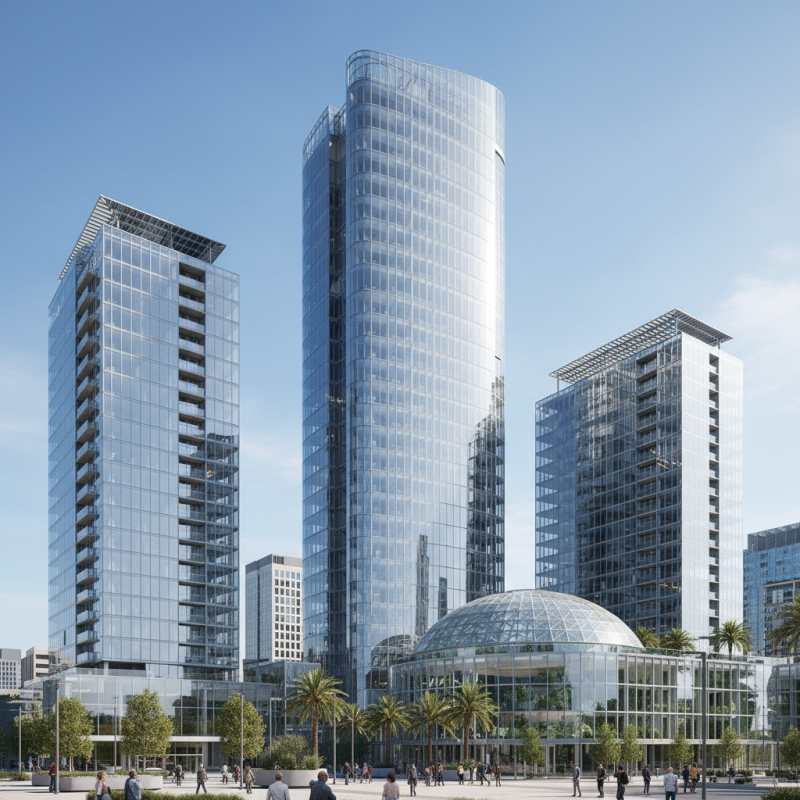
The rise of all glass structures reflects changing architectural trends. Modern society values transparency and openness. All glass designs can make even small spaces feel larger and more inviting. This shift aligns with urban environments craving more light and air.
Sustainability plays a crucial role in their appeal. All glass buildings often use energy-efficient materials. They maximize natural light, reducing reliance on artificial lighting. However, there are challenges. Maintaining privacy and temperature control can be tricky with expansive glass surfaces.
The allure of all glass structures can provoke mixed feelings. While they look sleek and modern, they might seem cold and impersonal. Urban heat is another concern; glass can amplify sunlight. As these structures continue to rise, ongoing reflection on their impact is vital. Balancing aesthetics and practicality will determine their future success.
Factors Driving the Popularity of Glass Structures in Modern Architecture
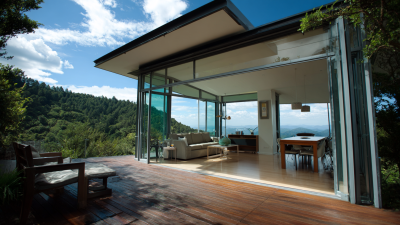
The rise of glass structures in modern architecture stems from various compelling factors. Architects and builders value transparency and natural light. These features enhance the aesthetic appeal of buildings. They create a sense of openness. Glass structures often blur indoor and outdoor boundaries. This connection to nature is refreshing in urban spaces.
Sustainability is another key driver. Many glass buildings incorporate energy-efficient technologies. Some use double or triple glazing to minimize heat loss. Others feature solar panels integrated into their designs. This focus on efficiency attracts eco-conscious architects and owners. However, achieving true sustainability can be challenging. The production of glass itself is resource-intensive, prompting ongoing debates.
Tips: When designing a glass structure, consider surrounding landscapes. Maximize views while minimizing glare. Also, think about maintenance. Glass can require more upkeep than traditional materials, especially in urban environments. A reflective surface may need frequent cleaning to maintain its appearance. Balancing beauty with practical concerns is crucial. Remember, design is an ongoing process that requires constant refinement.
Factors Driving the Popularity of Glass Structures in Modern Architecture
The Aesthetic Appeal of Glass Structures in Urban Landscapes
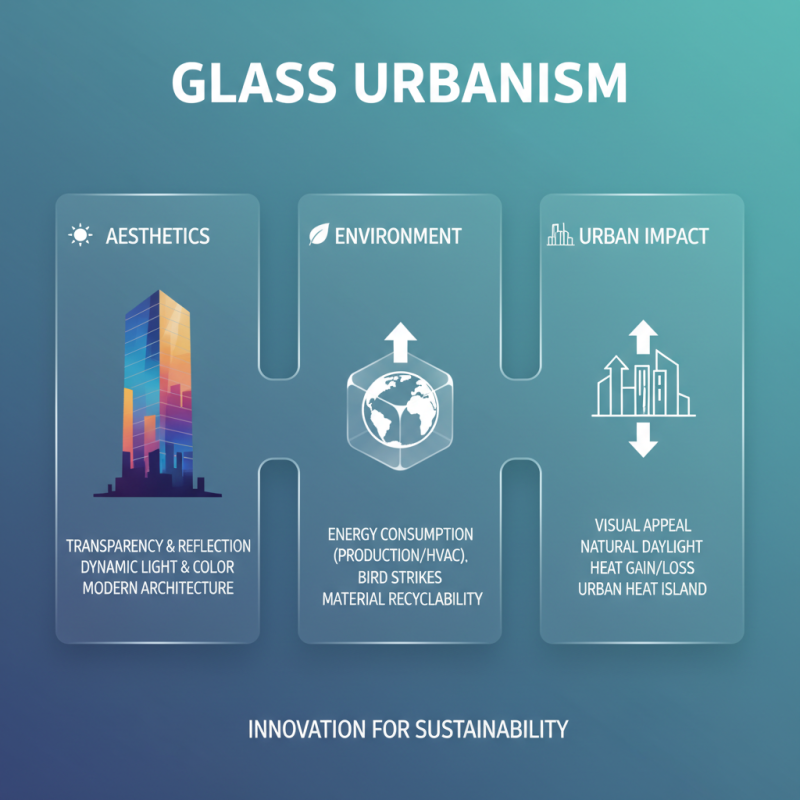
Glass structures are transforming urban landscapes. Their transparent surfaces create stunning reflections of city life. They catch the light beautifully, influencing the overall aesthetic. Walking by a glass building, the changing colors can be captivating. Yet, these structures often raise concerns about their environmental impact. The energy used in production and maintenance matters.
People appreciate the openness that glass provides. It invites the outside world in, creating a sense of connection. However, the glare can be overwhelming. Some find it hard to concentrate with so much light flooding in. Additionally, privacy becomes a challenge in densely populated areas. Residents may feel exposed, leading to a delicate balance between beauty and comfort.
The simplicity of glass can evoke feelings of tranquility amid urban chaos. Yet, not every glass structure fits its environment. A mismatched design can disrupt the neighborhood's harmony. Critics argue that these buildings can sometimes seem cold and impersonal. This tension invites reflection on how architecture shapes our experiences in the city.
Environmental Benefits of Utilizing Glass in Building Design
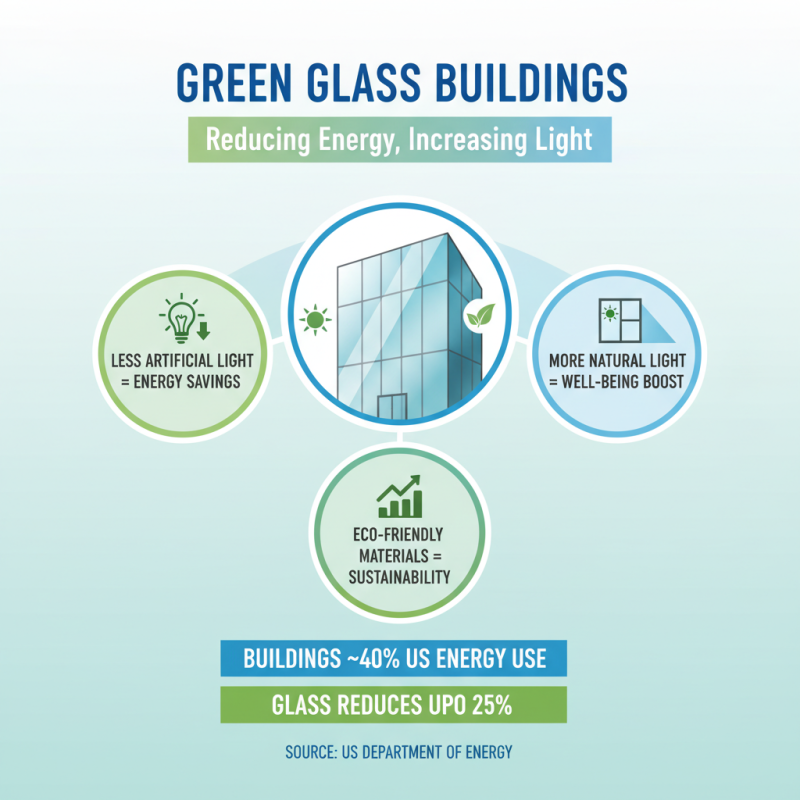
The demand for glass structures is rising quickly. This trend is largely due to the environmental benefits of using glass in building design. According to the U.S. Department of Energy, buildings account for nearly 40% of total energy consumption. Glass can help mitigate this impact by enhancing natural light and reducing the need for artificial lighting.
Utilizing high-performance glass improves energy efficiency. Research indicates that buildings using insulated glass can reduce energy consumption by up to 30%. This not only lowers energy bills but also decreases greenhouse gas emissions. Moreover, the use of glass in architecture promotes better air quality. Good ventilation through glass structures can significantly reduce indoor pollutants.
Tips: Choose energy-efficient glass types. Double or triple glazing can provide significant energy savings. Consider using glass in strategic places. Optimize daylight without overheating your space.
Despite these benefits, there are challenges. Glass can be a poor insulator if not selected carefully. It requires proper installation and maintenance. Builders must pay attention to the local climate to prevent energy loss. Overall, the push towards glass structures is reshaping modern architecture, but it demands thoughtful consideration.
Technological Advancements Enhancing Glass Material Performance
Glass structures are increasingly popular due to modern technological advancements. These innovations have significantly improved the performance and durability of glass materials. According to a report by MarketsandMarkets, the glass market is expected to grow at a CAGR of 4.5% by 2025. This growth reflects a rising demand for high-performance glass applications.
Enhanced glass features include better thermal insulation and increased strength. For instance, smart glass technology allows for energy-efficient buildings. Buildings using smart glass can reduce energy consumption by up to 30% when compared to traditional materials. Such advancements highlight the potential benefits of using glass in architecture and construction. However, despite these benefits, challenges remain.
Cost can be a barrier for some projects. The initial investment in advanced glass technology may deter budget-conscious developers. Additionally, the fragility of glass can lead to concerns about safety and maintenance. As the industry progresses, these challenges will need addressing to ensure widespread adoption of innovative glass materials.
Why Are All Glass Structures Gaining Popularity Today? - Technological Advancements Enhancing Glass Material Performance
| Aspect |
Traditional Glass |
Advanced Glass |
| Strength |
Lower tensile and compressive strength |
Higher tensile and compressive strength, improved impact resistance |
| Insulation |
Standard thermal insulation properties |
Enhanced thermal insulation reducing energy costs |
| Design Flexibility |
Limited architectural applications |
Broader design possibilities with curved and large panels |
| Self-Cleaning Properties |
Regular maintenance required |
Self-cleaning surfaces utilizing nanotechnology |
| Sustainability |
Standard manufacturing processes |
Eco-friendly production and recyclable materials |
| Noise Reduction |
Basic soundproofing |
Advanced acoustic properties for quieter environments |
Case Studies: Iconic Glass Structures and Their Impact on Communities
Glass structures have made a significant impact on urban communities globally. They not only redefine skylines but also influence people’s emotions within these spaces. The stunning aesthetics of glass buildings often attract visitors and enhance community engagement.
Take, for instance, the use of glass in public libraries. A report from the American Institute of Architects indicates that projects incorporating glass have seen a 30% increase in user satisfaction. These structures promote transparency and openness, inviting people to explore. However, they can also create discomfort. Excessive sunlight may lead to overheating in summer months. Balancing design with functionality remains a challenge.
Iconic glass buildings like art museums often become cultural landmarks. A study by the Urban Land Institute found that communities with such structures experience a 20% rise in local business activity. Yet, some argue that these designs can feel sterile. The lack of warmth and traditional materials often leaves some cold. Reflecting on these concerns is essential as we shape the future of our built environment.