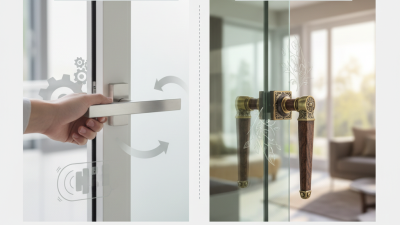
Why Choose a Sliding Door System for Your Home?
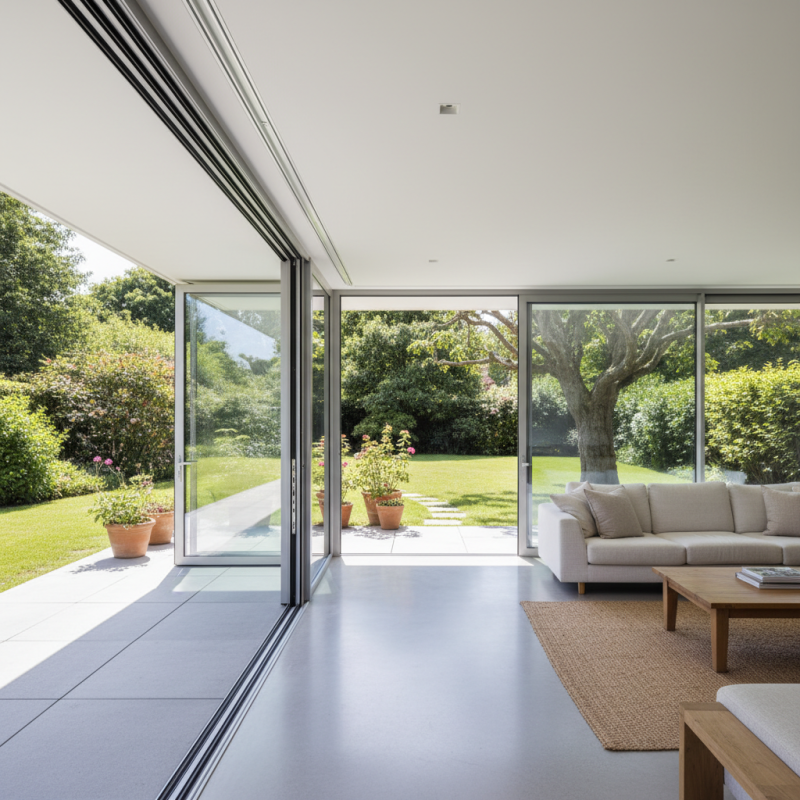
A sliding door system can transform your home. This innovative design offers both style and functionality. Imagine a spacious living room that flows effortlessly into your garden. A well-chosen sliding door creates a seamless connection between indoors and outdoors.
Many people overlook the advantages of a sliding door system. It maximizes natural light and improves ventilation, enhancing overall comfort. However, proper installation is essential for optimal performance. A poorly installed door may lead to drafts and security issues.
Choosing the right materials also matters. Different options have unique benefits. For instance, aluminum is durable, while wood adds warmth. Weighing these factors can be challenging. Ultimately, a sliding door system can be the perfect fit for your home when chosen thoughtfully.
Advantages of Sliding Door Systems in Residential Spaces
Sliding door systems have become increasingly popular in residential spaces. They offer unique advantages that traditional doors may not provide. One significant benefit is space-saving. Unlike hinged doors, sliding doors do not require swing space. This can be especially useful in smaller rooms.
Another advantage is the abundance of natural light they can bring. Large glass panels allow sunlight to pour in, creating an airy atmosphere. This openness can enhance the aesthetic value of a home. However, the need for privacy can be a concern. Choosing the right window treatments becomes essential to balance brightness and seclusion.
Energy efficiency is another aspect to consider. High-quality sliding doors can provide insulation. However, if not properly sealed, they might lead to drafts. Homeowners should evaluate the quality of materials. While sliding doors can enhance a home, they also require maintenance. Keeping tracks clean is critical for smooth operation.
Why Choose a Sliding Door System for Your Home? - Advantages of Sliding Door Systems in Residential Spaces
| Advantage |
Description |
Impact on Space |
| Space Saving |
Sliding doors do not require swing space, allowing for more efficiency in smaller areas. |
Maximizes usable space in narrow rooms. |
| Natural Light |
Large glass panels facilitate ample sunlight, enhancing the ambiance. |
Creates a bright and inviting atmosphere. |
| Aesthetic Appeal |
Modern sliding door designs add a contemporary touch to home interiors. |
Enhances the overall aesthetic value of your home. |
| Accessibility |
Easier for people with mobility issues to open and close compared to traditional doors. |
Improves accessibility throughout the home. |
| Indoor-Outdoor Flow |
Seamless transition between indoor and outdoor spaces. |
Creates a unified living space and enhances outdoor enjoyment. |
Design Versatility: Customizing Sliding Doors for Any Home Style
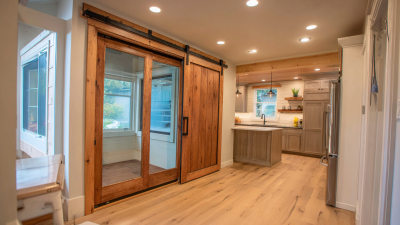
Sliding doors offer a unique design versatility that can enhance any home style. They come in various materials, including wood, glass, and aluminum. Each option provides different aesthetics and functionality. For a modern home, sleek glass panels can create an open and airy feel. In contrast, wooden sliding doors add warmth and rustic charm to a more traditional setting.
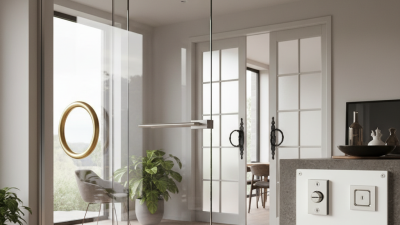
Customization plays a vital role when selecting sliding doors. Homeowners can choose colors, finishes, and even hardware. This flexibility ensures that sliding doors complement existing decor seamlessly. However, one might face challenges with dimensions and space. Not every room accommodates standard sizes easily. Taking accurate measurements is crucial to avoid costly mistakes.
Additionally, while sliding doors are beautiful, they require regular maintenance. Dirt and debris can accumulate in the track, hindering their smooth operation. Some homeowners may overlook this detail. Frequent cleaning should be on your maintenance checklist. Thoughtful design and diligent upkeep can maximize the benefits of your sliding door system, ensuring a stylish yet functional entryway in your home.
Space Efficiency: Maximizing Room Layouts with Sliding Door Solutions
Sliding door systems are a great choice for maximizing the layout of your home. They create a seamless flow between rooms. With the ability to easily open and close, they save space compared to traditional doors. This efficiency is especially helpful in smaller homes. Rooms can feel larger with the absence of swinging doors.
Consider using sliding doors to separate living areas. This allows for privacy without sacrificing light. A glass sliding door can brighten up a dim corner. It brings the outdoors in, creating a more spacious atmosphere. Another option is to use pocket sliding doors. They disappear into the wall when opened. This design choice makes tight spaces feel less cramped.
When choosing a sliding door, think about materials. Wood adds warmth, while metal offers a sleek look. Reflect on how these choices can impact your room's vibe. Additionally, hardware and finishes should match your home's style. It’s all about creating a cohesive look.
Installing the system might seem straightforward, but precision matters. Measure carefully to avoid gaps. A door that doesn't slide smoothly can be frustrating. Ensure you test the mechanism before finalizing the installation.
Enhanced Natural Light: The Benefits of Large Glass Panels in Sliding Doors
Sliding door systems have become increasingly popular in modern homes. One of the standout features is their ability to enhance natural light. Large glass panels make spaces feel open and airy. According to a report by the American Institute of Architects, homes with ample natural light can see property values rise by up to 15%. This is a clear indication of the increasing demand for brighter living spaces.
Natural light also has profound effects on well-being. Studies from the National Institutes of Health suggest that exposure to natural light can improve mood and productivity. Sliding doors offer an unobstructed view of the outdoors. When opened, they seamlessly connect indoor and outdoor living areas. However, it’s important to consider that not all sliding door systems offer equal insulation. Poorly designed systems can lead to heat loss, which is a concern in colder climates.
Moreover, the aesthetic appeal of large glass panels creates a luxurious feel. They can make smaller spaces appear larger. However, it's crucial to invest in quality materials. Thinner glass might reduce costs but can compromise safety. As homeowners explore this option, evaluating insulation, energy efficiency, and safety features remains vital.
Benefits of Sliding Doors in Home Design
Improved Accessibility: How Sliding Doors Facilitate Movement in the Home
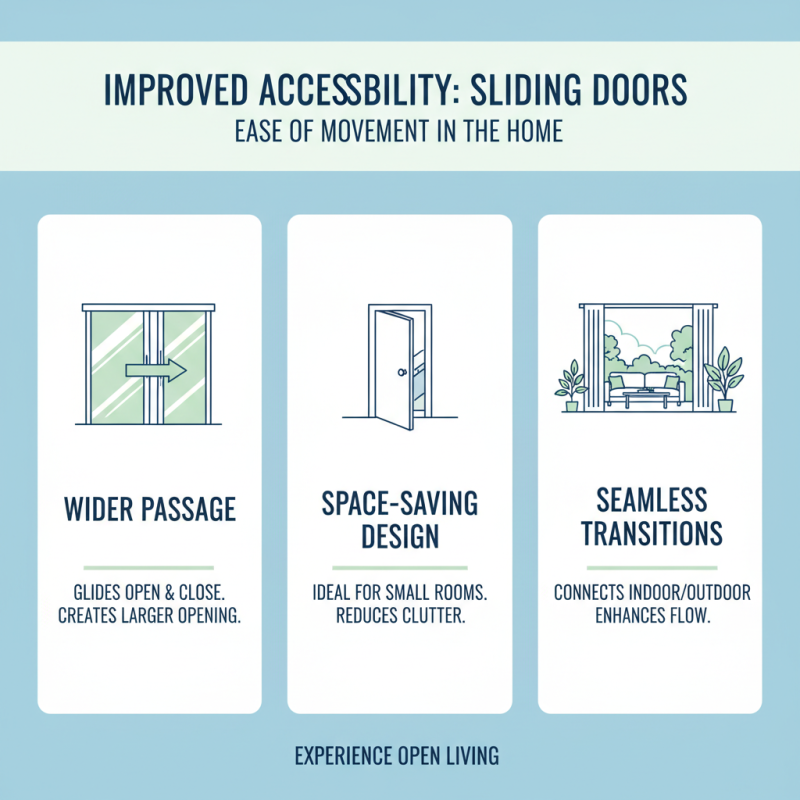
Sliding doors offer a unique way to enhance the flow of movement within a home. Unlike traditional doors, they glide open and closed, creating a wider passage. This feature is especially beneficial in areas with limited space. They are ideal for rooms that often feel cramped or cluttered. Imagine a cozy living room where a sliding door opens up to a patio. It connects indoors with nature, allowing for seamless transitions.
Accessibility is a key advantage of sliding doors. They can easily be operated by individuals of all ages. Those with mobility issues find them easier to use. It minimizes the physical effort needed to open a door. Some sliding doors can be made with low thresholds, reducing tripping hazards. This is especially critical in homes with children or older adults. Every detail counts, especially when making a home accommodating.
However, maintenance is often overlooked. Tracks can get dirty and may require cleaning to function properly. Some people struggle with ensuring the door stays on its track, and it can be frustrating. Choosing sliding doors isn't just about aesthetics. It's also about usability and how each element serves the household. Balancing convenience with upkeep is important for long-term enjoyment.