Top Tips for Choosing Metal and Glass Doors for Your Business?
Choosing the right metal and glass doors for your business is crucial. They not only enhance aesthetics but also boost security. These elements play a vital role in your overall branding. Selecting the perfect fit can be challenging, and many overlook essential factors.
When considering metal and glass doors, think about durability and design. The right materials can withstand wear and tear. However, not all options offer the same level of reliability. You may experience issues with cheaper products over time. Researching quality manufacturers is essential.
Reflecting on your unique needs can lead to better decisions. You might need a modern look or a classic appeal. Each choice has implications for functionality and cost. Pay attention to details like weather resistance and maintenance. Metal and glass doors should align with your business's goals and values.
Understanding the Benefits of Metal and Glass Doors in Commercial Spaces
Choosing metal and glass doors for commercial spaces offers both aesthetic appeal and functional advantages. Metal doors provide superior security and durability. They withstand harsh weather conditions and resist wear and tear over time. Glass doors, on the other hand, create an inviting atmosphere. They allow natural light to flood the space, making it feel open and welcoming. This combination can enhance customer experience dramatically.
However, it's essential to consider the balance between style and functionality. While glass doors can boost visibility, privacy might be a concern for some businesses. It’s crucial to evaluate the specific needs of your space. Consider areas that require security versus those that benefit from openness. Additionally, maintenance can be an ongoing challenge. Glass surfaces need regular cleaning, and metal frames may require occasional inspections to prevent rust. Reflecting on these aspects can lead to a more informed decision, ensuring that the final choice aligns with your business goals.
Evaluating Durability: Material Strength and Weather Resistance Factors
When choosing metal and glass doors, durability is crucial. Evaluate material strength first. Consider the overall construction of the door. Materials like stainless steel provide excellent strength. Glass can enhance aesthetics but ensure it's tempered for safety. Weigh the balance between visual appeal and utility.
Weather resistance is another key factor. Your doors will face various environmental conditions. Choose finishes that resist rust and corrosion. Look for seals that prevent water intrusion. In some cases, doors may warp under extreme temperatures. This can lead to costly repairs.
Make informed decisions. Assess long-term costs versus initial investments. Sometimes, the cheaper option may lead to spending more over time. Research manufacturers for reliability. Customer reviews can provide insight into performance and quality. Carefully consider these aspects before finalizing your choice.
Top Tips for Choosing Metal and Glass Doors for Your Business - Evaluating Durability: Material Strength and Weather Resistance Factors
| Door Type |
Material |
Strength Rating |
Weather Resistance |
Average Lifespan |
| Aluminum Glass Door |
Aluminum Frame & Tempered Glass |
High |
Excellent |
20+ years |
| Steel Door |
Steel |
Very High |
Good |
30+ years |
| Frameless Glass Door |
Tempered Glass |
Medium |
Fair |
10-15 years |
| Vinyl Clad Door |
Vinyl Overlay & Steel |
High |
Excellent |
25 years |
| Composite Door |
Composite Materials |
High |
Good |
20 years |
Aesthetic Appeal: How Design Choices Impact Business Image
Choosing the right metal and glass doors is crucial for your business image.
These doors serve as the first impression for your customers.
A well-designed door can communicate professionalism and attention to detail,
while a poor choice may suggest neglect. Consider how the design and materials
reflect your brand's values.
Take note of the finishes and colors. A sleek, modern design may attract a younger audience,
whereas a more traditional look could appeal to established customers.
Experimenting with combinations can be enlightening.
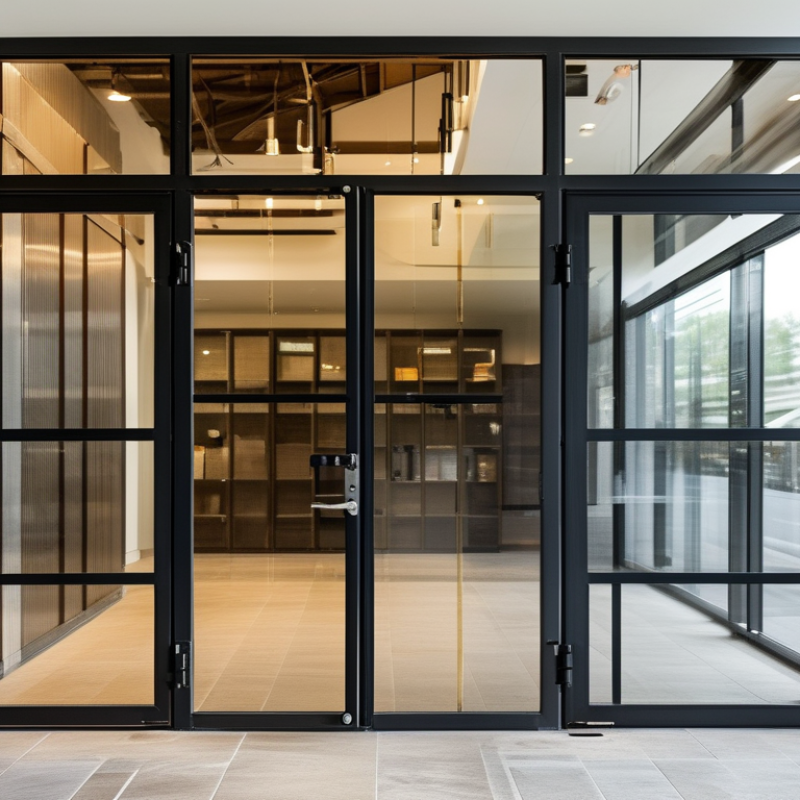
A simple glass door framed in metal can look both contemporary and inviting.
Paying attention to the functionality is essential. Ensure that your doors not only look good but also serve a purpose.
High traffic locations may require durability and security. Think about accessibility as well.
Sometimes, designs that look good may not be practical.
Reflect on ways to balance aesthetics with these practical needs.
Security Features: Assessing Lock Systems and Safety Glass Options
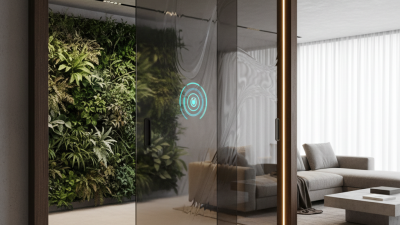
When considering metal and glass doors for your business, security should be your top priority. Assessing lock systems is crucial. High-quality locks offer better protection. Look for multi-point locking systems that secure doors at multiple points. This adds an extra layer of security. In addition, consider smart lock systems. These can provide remote access and monitoring. However, technology can sometimes fail or become outdated. Regular maintenance is essential to ensure their reliability.
Another key aspect is the choice of safety glass. Laminated safety glass is a strong option. It holds together when broken, reducing the risk of injury. Tempered glass is another alternative, designed to shatter into small pieces. This minimizes the chance of serious injury. Yet, some businesses overlook the importance of thickness. A thicker glass can enhance security but may come at a higher cost. Balance your budget with safety concerns to make a well-informed decision.
Every location has unique security needs. Factors like foot traffic and local crime rates can influence your choice. Always evaluate the specific vulnerabilities of your business. While aesthetics matter, they should not compromise security. Assessing all these factors carefully will aid in making a more robust decision for your business's safety.
Cost Analysis: Budgeting for Installation and Maintenance of Doors
When budgeting for metal and glass doors, it's essential to consider both installation and long-term maintenance costs. Initial installation can range significantly. A basic model may start around $1,000, while high-end options can exceed $5,000. According to the National Association of Manufacturers, labor costs typically account for 30-50% of the total installation budget. Therefore, opting for standard sizes can reduce expenses.
Maintenance should not be overlooked. Regular cleaning and checks can prevent larger issues. The American Society for Testing and Materials suggests budgeting about 10-15% of the installation cost annually for upkeep. This includes cleaning solutions, replacement parts, and professional inspections. Depending on usage, businesses may face varying frequencies of repairs. Relying solely on upfront costs can lead to surprises down the line.
It's important to account for energy efficiency too. Energy Star-certified doors can lessen heating and cooling bills significantly. Studies show that businesses can save up to 30% on energy costs with efficient installations. The upfront expense may be higher, but the long-term savings can justify the investment.
Cost Analysis: Budgeting for Installation and Maintenance of Metal and Glass Doors
This chart illustrates the estimated costs associated with the installation and maintenance of metal and glass doors for businesses. The values represent the average dollar amounts in thousands for each category.