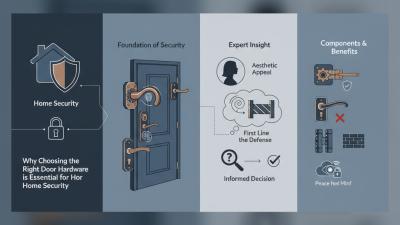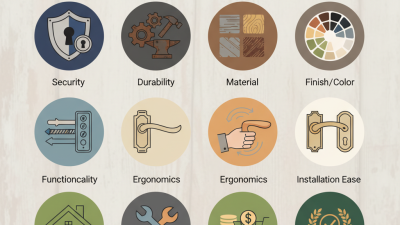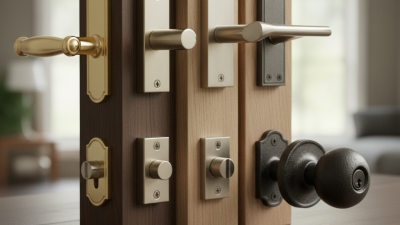
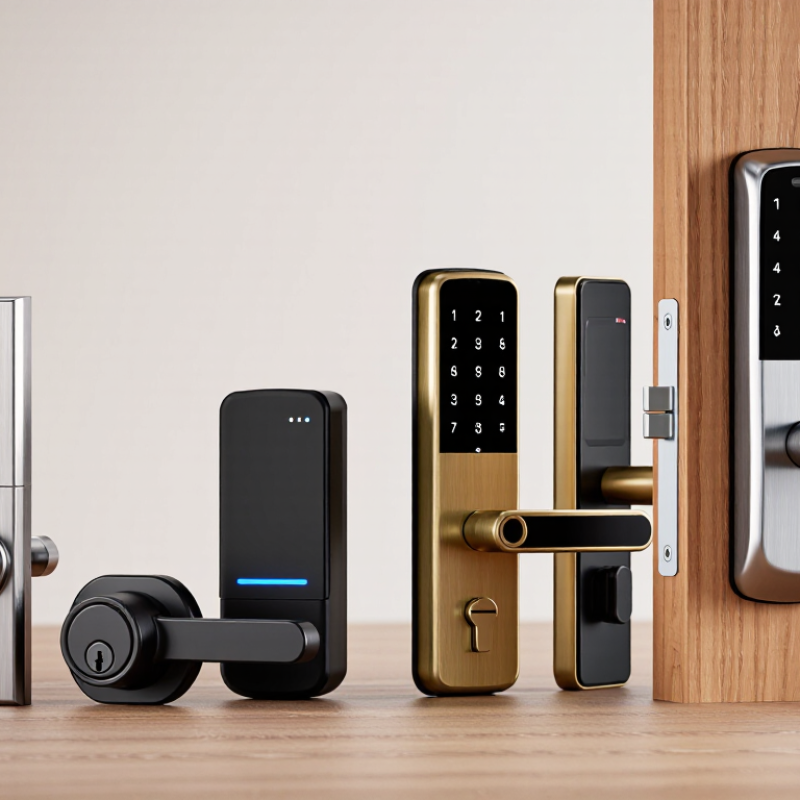
Choosing entry door hardware in 2026 means balancing security, daily convenience, appearance, and compatibility with your door. The main options include traditional knobs and levers, handlesets paired with deadbolts, keypad locks, and connected smart locks. Each type solves a different problem. A lever is easy to operate when your hands are full, while a keyed deadbolt offers a simple, familiar way to secure the entry. Looks matter, too.
A handleset can give a front door a more defined, coordinated appearance, but its style and fit must suit the door’s preparation and thickness. Smart locks add features such as keypads, app access, or temporary entry codes; however, batteries, connectivity, and setup deserve careful attention. Convenience is not the same as reliability. A feature-rich lock may be a poor choice if its controls confuse the people who use it every day.
This guide compares the leading entry door hardware types by function, installation needs, maintenance, and practical trade-offs. It also considers finish, accessibility, and whether a product works with an existing door or requires professional adjustment. Check the manufacturer’s specifications before buying, and ask a qualified installer when measurements or security ratings are unclear. Fit comes first. A lock can look excellent online and still feel awkward on your actual door.
Entry door hardware is a small system with several jobs. The handle or knob gives a firm point to pull the door closed. A latch holds the door against the frame, while a lock adds controlled access. These parts may share one assembly, but they do not do the same work. A deadbolt extends a solid bolt into the frame and is often used alongside a spring latch.
The strike plate is the metal fitting on the frame that receives the latch or bolt. Its position matters: even a slight misalignment can make a key turn stiffly or a door refuse to latch. Longer screws can help secure a strike plate to the framing, but they cannot correct a warped door. Fit comes first. Then test the lock with the door open and closed.
Hinges carry the door’s weight and let it swing; loose screws or worn pins may cause sagging and scraping. A door closer, where fitted, controls the swing, while weatherstripping reduces drafts around the edges. Each home needs a setup suited to its door, frame, and daily use. More hardware is not automatically better. I’d pay attention to smooth operation and solid alignment, though these details are easy to overlook until something sticks.
Entry door hardware in 2026 includes more than a lock. The main types are knobs, levers, handlesets, deadbolts, smart locks, hinges, and door viewers. Each serves a different purpose. A knob offers a familiar, compact grip, while a lever is easier to operate with an elbow when hands are full. Handlesets add a longer exterior grip and often pair with a separate deadbolt.
Deadbolts provide a distinct locking point, but their security depends on correct installation and a solid door frame. Smart locks add keypad or phone-based entry, though battery checks and backup access still matter. Keep the everyday routine in mind. A feature-rich lock can feel inconvenient if guests cannot understand its keypad.
Hinges support the door’s weight and affect how smoothly it swings. Door viewers give a direct view of the outside without opening the door. Materials and finishes also deserve attention: a polished surface may look sharp in a sample but show fingerprints near a busy entrance. There is no perfect hardware set for every home. Measure the door, check existing holes, and consider who will use it before choosing. Small details matter. Even a well-made lever can feel wrong if it catches a sleeve or sits awkwardly in the hand.
| Hardware Type | How It Works | Common Benefits | Points to Consider | Typical Use |
|---|---|---|---|---|
| Single-Cylinder Deadbolt | A key operates the exterior cylinder; a thumb turn operates the bolt from inside. | Provides a separate locking point and is straightforward to operate from indoors. | Check door thickness, backset, bore-hole size, and strike-plate alignment. A key-operated interior may be preferable where an inside thumb turn is unsuitable. | Common on residential exterior doors, often paired with a latch or handleset. |
| Handleset | Combines an exterior grip with an interior lever or knob, typically alongside a separate deadbolt. | Offers a coordinated handhold and an easy-to-use interior handle. | Confirm the door’s hole spacing and the hardware’s handing and fit. The handle’s latch and deadbolt may operate independently. | Front and other main entry doors where a prominent exterior grip is desired. |
| Entry Lever or Knob | A keyed exterior cylinder controls the latch; the interior lever or knob retracts it. | Provides everyday latching and convenient passage through the doorway. | A latch-only set is not a substitute for a deadbolt when a separate deadlocking point is needed. Levers are generally easier to operate than knobs for people with limited grip strength. | Entry doors, commonly used with a separate deadbolt. |
| Smart Lock | An electronic lock may use a keypad, phone app, credential, or key; some models retain a physical key cylinder. | Can offer keyless entry, temporary access codes, and activity records, depending on the model. | Check power requirements, connectivity, backup entry method, door and deadbolt compatibility, and whether the lock’s features require a hub or subscription. | Homes where remote access or managed entry codes are useful. |
| Keypad Lock | A code entered on a keypad releases the latch or deadbolt; some versions also accept a physical key. | Allows entry without carrying a traditional key and can make code changes possible. | Review battery access, low-power warnings, code-management options, and the available emergency override. | Households or properties that need convenient shared access. |
| Multipoint Lock | A central handle or key-operated mechanism engages locking points at multiple places along the door edge. | Secures the door at several points and can help draw a compatible door panel snugly against its frame. | Requires a compatible door, frame, and preparation. Installation and adjustment are more involved than for a basic single-point lock. | Some exterior doors, including certain tall, glazed, or European-style door systems. |
| Mortise Lock | A lock case fits into a pocket cut into the door edge and may combine the latch and locking functions. | Integrates several operating parts into one case and can suit doors designed for mortise hardware. | Door preparation and case dimensions must match. Replacement may require measurements of the case, faceplate, backset, and trim. | Doors built or prepared for a mortise lock, including some older and heavier entry doors. |
Entry-door security depends on both the lock mechanism and the door around it. A keyed deadbolt uses a physical key and a solid bolt, while a keypad or connected lock adds code-based entry. Convenience matters. Yet electronic access does not automatically mean stronger resistance to forced entry. Check whether the bolt fully extends into the strike plate, and whether the frame feels solid near the latch.
For residential deadbolts, ANSI/BHMA A156.40 sets performance grades based on testing; a higher grade indicates more demanding performance requirements. The standard helps compare hardware, but installation still matters. A short strike-plate screw or a loose-fitting door can weaken an otherwise capable lock. The FBI’s 2023 Crime in the United States report estimated 847,522 burglary offenses nationwide. That figure does not show which locks failed, but it is a useful reminder that basic door reinforcement deserves attention.
Smart locks may offer temporary codes, access logs, and automatic locking. These features can help households manage entry, but they bring battery and connectivity concerns. Keep a tested backup entry method.
I would also check how easily the lock’s settings can be changed after a code is shared; that practical detail is easy to overlook. A mechanical deadbolt may be simpler, while a well-configured electronic model can provide better visibility into access. Neither replaces a sound door, frame, and installation.
For a 2026 entry door, match hardware material to weather and daily use. Solid brass resists corrosion and feels substantial, while stainless steel suits damp or coastal settings. Zinc alloy can lower cost, but its durability depends on construction and coating. Finishes matter, too. Satin nickel hides fingerprints; matte black creates contrast but can show scratches. A beautiful finish is not automatically a durable one.
Smart features are gaining attention. Grand View Research valued the global smart lock market at $2.78 billion in 2023 and projected 19.6% annual growth from 2024 to 2030. That forecast signals interest, not a guarantee of performance. Keypads and app access can simplify entry, while auto-lock and access logs add convenience. Check battery warnings, backup entry options, and compatibility before buying. Small details matter.
Tips: Hold finish samples beside the actual door, preferably outdoors. In salty or rainy conditions, prioritize corrosion resistance and follow the maker’s cleaning guidance. For smart locks, test the keypad with cold or wet hands. I would still keep a dependable backup entry method; electronics can be fussy.
Choosing entry door hardware starts with the door itself. Check its thickness, material, swing direction, and existing bore holes before comparing styles. A lever, knob, handle set, or deadbolt may look suitable but still require different preparation. Measure carefully. Small details count.
Security depends on more than the lock. A deadbolt should fit the door and align with a sturdy strike plate; a weak frame can undermine both. Consider who uses the entrance each day. Levers can be easier to operate than round knobs when hands are full, while keypad or connected locks may suit households that need flexible access. They also require battery checks, and some depend on a stable connection. Convenience has trade-offs.
Think about weather, upkeep, and feel. Moisture and salty air can wear some finishes faster, so check care instructions and choose materials suited to the local climate. Try the handle if possible: a showroom finish can hide an awkward grip or sharp edge. That is an easy detail to overlook. Set a realistic budget for the hardware and installation, then confirm that the chosen set fits the door before ordering. No single type is right for every entrance; the best choice may still involve a compromise between appearance, access, and maintenance.
Exterior unlocking options in common configurations
Counts show exterior unlocking methods in the configurations listed: a key, keypad code, or smartphone app. Options vary by model; interior thumbturns are not included. When choosing hardware, consider security needs, door compatibility, ease of use, and whether you want keyless access.