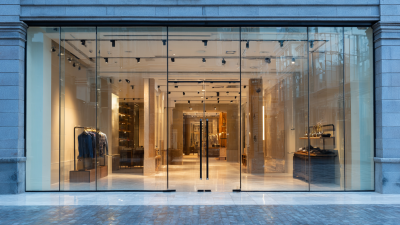
Exploring the Top Glass Wall Systems Trends for 2025: What You Need to Know
As we look ahead to 2025, the world of architecture and design is set to experience significant transformations, particularly in the realm of glass wall systems. These innovative installations are not just about aesthetics; they play a crucial role in enhancing natural light, promoting openness, and creating dynamic, flexible spaces that adapt to modern lifestyles. In this exploration of the top trends shaping glass wall systems, we delve into the advancements in technology, the integration of smart features, and the increasing demand for sustainability, all of which influence their design and functionality.
The growing popularity of glass wall systems reflects a broader movement towards transparency and connection with the surrounding environment. Whether in residential or commercial settings, these systems provide opportunities for seamless indoor-outdoor transitions and foster collaborative workspaces. As we address the latest trends, we will highlight key aspects such as energy efficiency, improved thermal performance, and innovative materials that not only elevate the architectural appeal but also cater to the evolving preferences of users.
Ultimately, understanding the direction in which glass wall systems are heading is essential for architects, designers, and builders alike. By embracing these trends, stakeholders can create spaces that are not only visually striking but also functional, sustainable, and in harmony with the contemporary lifestyles of tomorrow.
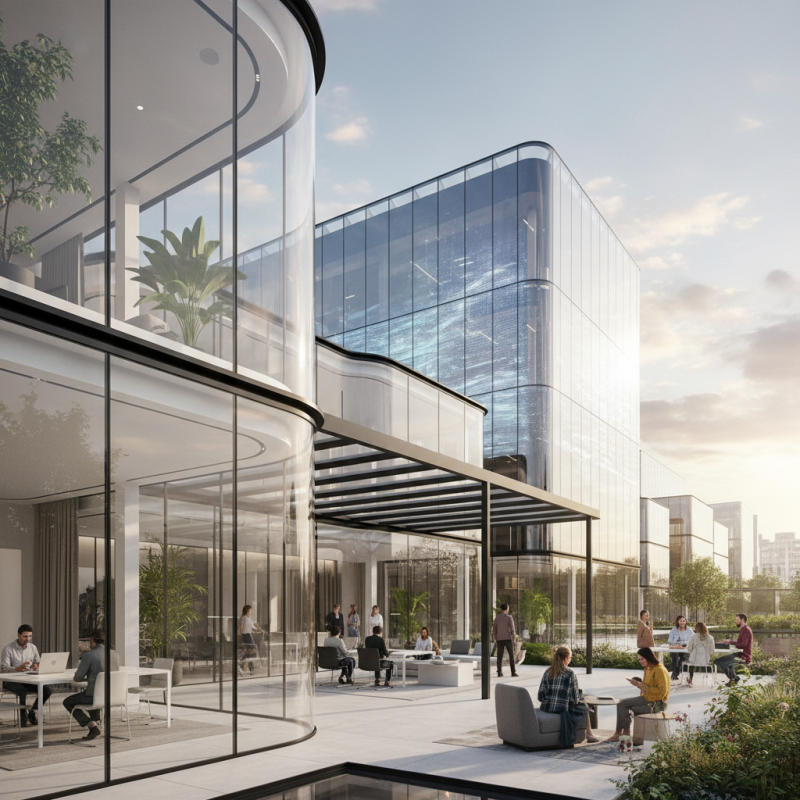
Exploring Sustainable Materials in Glass Wall Systems for 2025
Sustainable materials are becoming increasingly essential in the design and construction of glass wall systems as we approach 2025. With growing awareness of environmental issues, architects and designers are exploring innovative materials that not only enhance aesthetic appeal but also contribute to sustainability. Glass walls crafted from recycled and eco-friendly materials signify a notable trend. These systems utilize glass produced with less energy, reducing the carbon footprint associated with traditional glass manufacturing. As the demand for sustainability rises, designers are also incorporating materials like low-emissivity coatings and insulated glass to improve energy efficiency.
Moreover, the integration of biophilic design principles is shaping the future of glass wall systems. By incorporating organic and sustainable materials such as bamboo or reclaimed wood alongside glass installations, designers create a harmonious connection between indoor and outdoor environments. This blend of materials fosters a healthier atmosphere, promoting well-being while reducing reliance on non-renewable resources. As regulations evolve and the architecture industry shifts towards greener practices, the focus on sustainable materials in glass wall systems is set to redefine the built environment in the coming years.
Innovations in Energy Efficiency and Thermal Performance of Glass Walls
As we look ahead to 2025, the trends in glass wall systems are increasingly focused on innovations in energy efficiency and thermal performance. Modern architectural designs are emphasizing the importance of incorporating glass walls that not only enhance aesthetics but also optimize energy use. Advances in glazing technology, such as low-emissivity (Low-E) coatings, are revolutionizing how buildings retain heat during winter while deflecting excess heat in summer. This dual capability helps maintain comfortable indoor climates, significantly reducing heating and cooling costs.
When considering the installation of glass wall systems, it’s essential to prioritize energy-rated models that are designed to minimize thermal bridging. Additionally, integrating smart technologies can enhance these systems' performance, allowing for real-time data monitoring and adjustments to optimize energy use. Tips for homeowners and builders include investing in high-performance insulation materials around glass frames and exploring options for advanced solar control features that reduce glare while maintaining natural light.
Furthermore, selecting the right framing system is crucial for achieving optimal thermal performance. Materials such as fiberglass and thermally broken aluminum offer excellent insulation properties. It’s also advisable to consult with energy efficiency experts to ensure that the chosen glass wall systems meet the latest sustainability standards and building codes. This holistic approach will not only contribute to energy conservation but also promote a healthier living environment.
Exploring the Top Glass Wall Systems Trends for 2025: What You Need to Know
| Trend |
Description |
Energy Efficiency Rating |
Thermal Performance |
| Triple Glazing |
Utilizes three layers of glass to improve insulation. |
A++ |
Excellent |
| Dynamic Glass |
Automatically adjusts tint based on sunlight exposure. |
A+ |
Very Good |
| Low-E Coatings |
Reflects heat back into the building to improve efficiency. |
A+ |
Good |
| Insulating Spacer Technology |
Improves thermal performance by minimizing heat transfer. |
A |
Good |
| Smart Building Integration |
IoT technology used to enhance window performance and energy savings. |
A++ |
Excellent |
The Impact of Smart Technologies on Glass Wall System Design
The integration of smart technologies into glass wall system design is reshaping the way we approach architectural and interior spaces. As we move toward 2025, the emergence of smart glass, which can change its opacity at the touch of a button or through automated systems, is revolutionizing the functionality and aesthetic appeal of glass walls. This technology not only promotes energy efficiency by regulating natural light and heat but also enhances privacy for occupants, making spaces more adaptable to varying needs throughout the day.
Moreover, the incorporation of IoT (Internet of Things) elements in glass wall systems allows for seamless connectivity with other building management systems. Sensors and smart controls can monitor environmental conditions, optimizing climate control and lighting to improve occupant comfort while minimizing energy consumption. As architects and designers embrace these innovations, we see a shift towards more sustainable and user-centric designs that prioritize well-being and adaptability. The impact of smart technologies is poised to redefine how we imagine and utilize glass walls, creating versatile environments that respond dynamically to the needs of occupants.
Exploring the Top Glass Wall Systems Trends for 2025
Market Growth: Trends in Commercial vs. Residential Glass Wall Installations
As we move closer to 2025, the glass wall systems market is witnessing notable trends that
differentiate commercial installations from residential projects. In commercial spaces,
glass wall systems are predominantly driven by the demand for open,
collaborative environments. Companies are increasingly opting for transparent barriers to foster communication and creativity among teams.
The ability to create flexible layouts with movable glass partitions allows businesses to adapt their spaces according to varying needs,
enhancing functionality without sacrificing aesthetics. This trend towards transparency not only improves the flow of natural light but
also contributes to a sense of well-being among employees.
Conversely, the residential market is leaning towards personalization and
energy efficiency. Homeowners are focusing on designs that blend seamlessly with their
surroundings. Modern glass wall systems in residences often incorporate advanced insulation technology, ensuring comfort while
minimizing energy consumption. This shift reflects a growing awareness of sustainability, with many homeowners choosing eco-friendly
options that reduce their carbon footprint. Moreover, custom designs that complement existing architecture are becoming increasingly
popular, allowing homeowners to express their style while enjoying the benefits of expansive views and natural light. As these trends
evolve, both sectors are likely to continue embracing glass wall systems, transforming spaces into harmonious environments that
cater to the needs of their occupants.
Regulatory Changes and Their Influence on Glass Wall System Standards in 2025
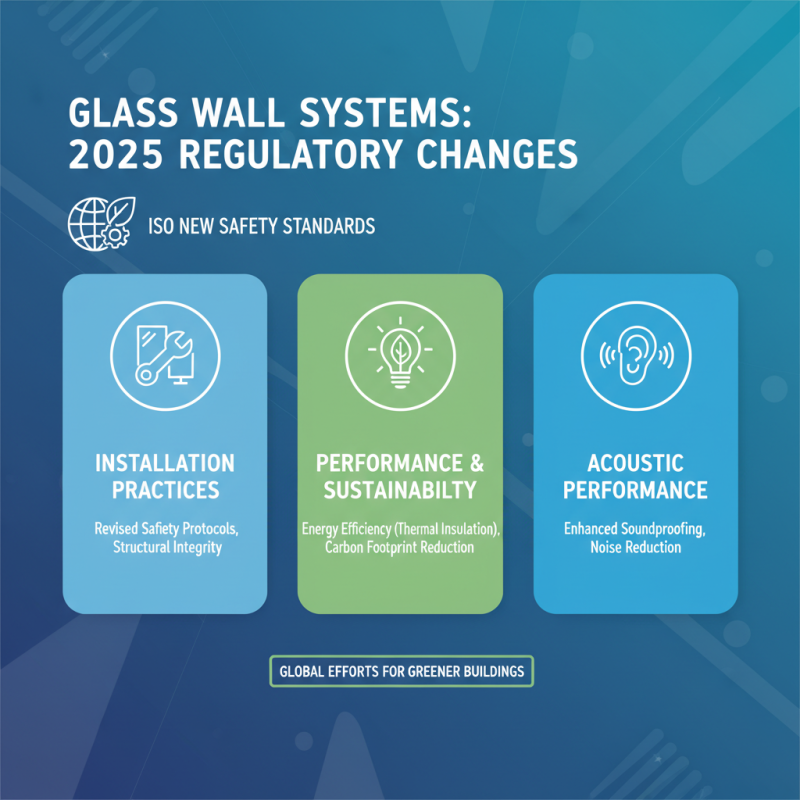
As we look ahead to 2025, regulatory changes are set to significantly impact the glass wall system industry. A report from the International Standards Organization (ISO) indicates that new safety standards will be implemented, focusing on performance and sustainability. These evolving regulations will not only govern installation practices but also demand higher energy efficiency and improved acoustic performance. For instance, glass wall systems will likely face more stringent requirements regarding thermal insulation, responding to global efforts to reduce carbon footprints in commercial and residential buildings.
Moreover, the U.S. Department of Energy (DOE) is also expected to revise standards that affect glazing products, promoting advancements in technologies that enhance the overall functionality of glass systems. According to the American Architectural Manufacturers Association (AAMA), such changes could lead to a 20% increase in the adoption of high-performance glass wall systems by 2025, reflecting a shift towards more environmentally conscious building practices. Architects and builders must stay informed and adapt their strategies accordingly, as these regulatory influences shape the future landscape of glass wall systems in a sustainable manner.