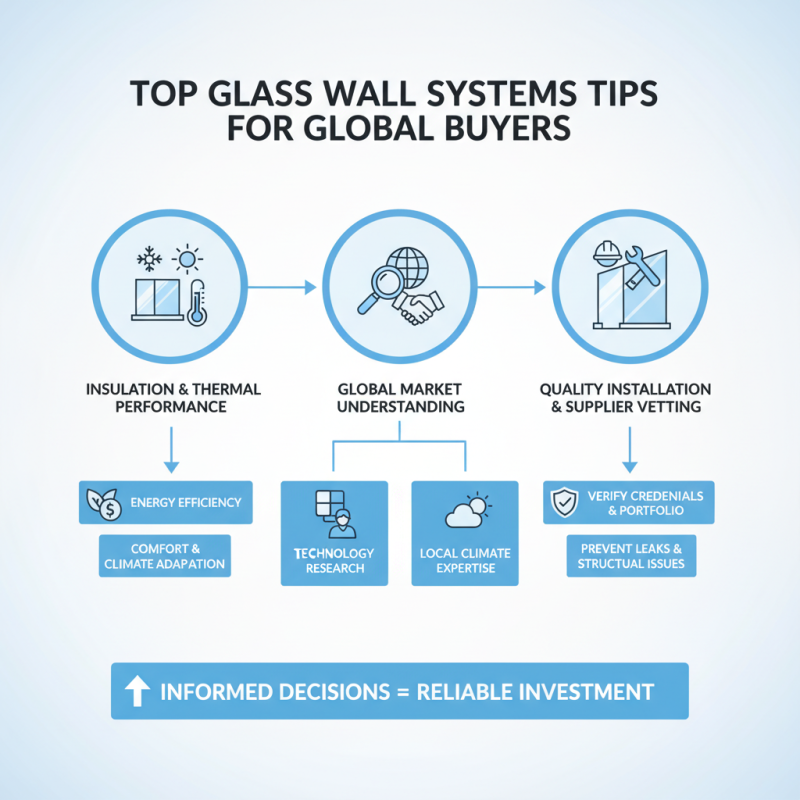
In the world of architecture, glass wall systems have gained immense popularity. They offer aesthetic appeal and practical benefits. Global buyers face unique challenges when selecting these systems. Understanding the market is crucial.
Many buyers overlook the importance of insulation. Not all glass wall systems provide adequate thermal performance. This can lead to higher energy costs and discomfort. Buyers should research different materials and technologies. It’s vital to engage with experienced suppliers who understand local climates.
Quality installation is another area often underestimated. Poorly executed installations can result in leaks and structural issues. Buyers should always verify installers' credentials and previous work. Reflecting on these aspects can lead to more informed decisions. Emphasizing these details ensures a reliable investment in glass wall systems.
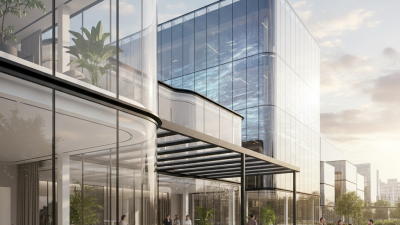
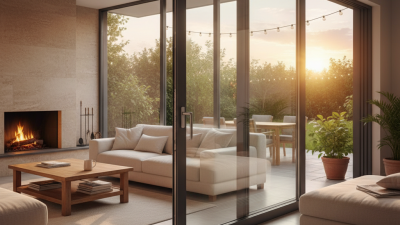
Glass wall systems offer a modern aesthetic and functional benefits that appeal to many global buyers. These systems provide natural light, creating an open atmosphere that enhances spaces. Their transparency allows for unobstructed views, which is especially valuable in commercial and residential settings alike. The materials used are often durable, contributing to long-term usability.
In addition to aesthetic appeal, these systems have strong thermal insulation properties. They can reduce energy costs, making them an economical choice. Buyers should also consider the installation process, which can be complex. It’s important to engage with experienced professionals who can ensure structural integrity and meet safety standards. Reflecting on installation challenges can help mitigate future issues.
While the benefits are numerous, potential drawbacks exist. Maintenance is crucial; dirt and stains can diminish their appearance. Regular cleaning schedules should be established to maintain clarity. Buyers must weigh these factors to determine if glass wall systems align with their vision and functional needs. These considerations are essential for making an informed purchase decision.
| Feature | Description | Benefits |
|---|---|---|
| Thermal Insulation | Incorporates materials that minimize heat loss. | Enhances energy efficiency and reduces heating costs. |
| Acoustic Performance | Designed to reduce noise from outside. | Improves comfort levels in office and living spaces. |
| Design Flexibility | Available in various styles, shapes, and sizes. | Allows for customization to fit architectural needs. |
| Safety Features | Made with tempered and laminated glass. | Reduces risk of injury in case of breakage. |
| Sustainability | Utilizes eco-friendly materials and processes. | Contributes to LEED credits and environmental initiatives. |
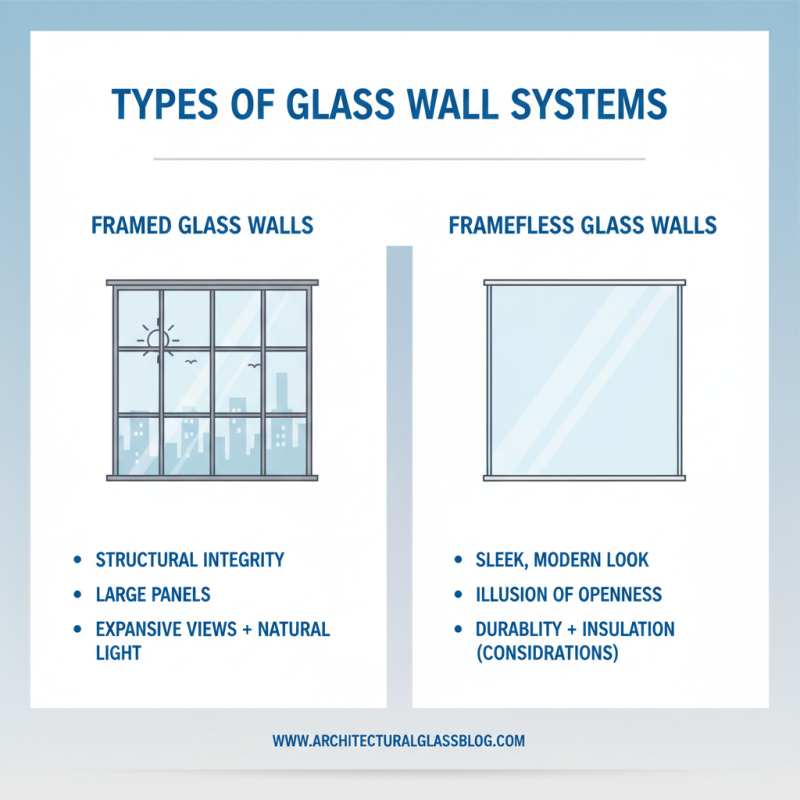
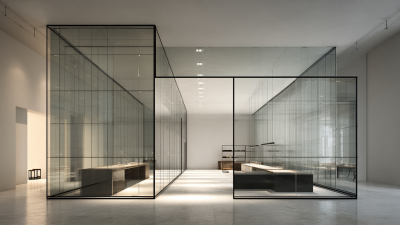
When exploring glass wall systems, it’s essential to understand the various types available. These systems can be categorized into several main types, each offering unique benefits. Framed glass walls feature visible frames and are known for their structural integrity. They accommodate larger glass panels, allowing for expansive views and natural light. On the other hand, frameless glass wall systems present a sleek and modern look. They create an illusion of openness but can sometimes raise concerns about durability and insulation.
Movable glass walls are another notable category. They allow for flexible space management, making them ideal for commercial settings. These systems integrate seamlessly, providing a polished appearance. However, users should consider the complexity of installation and maintenance. Post-installation, regular checks for alignment are crucial, as misalignments can lead to functional issues. Lastly, structural glass walls cater to specific architectural needs. They can bear loads and serve as partition walls, but improper design can cause structural risks. Understanding these types enables informed decisions tailored to specific environments and requirements.
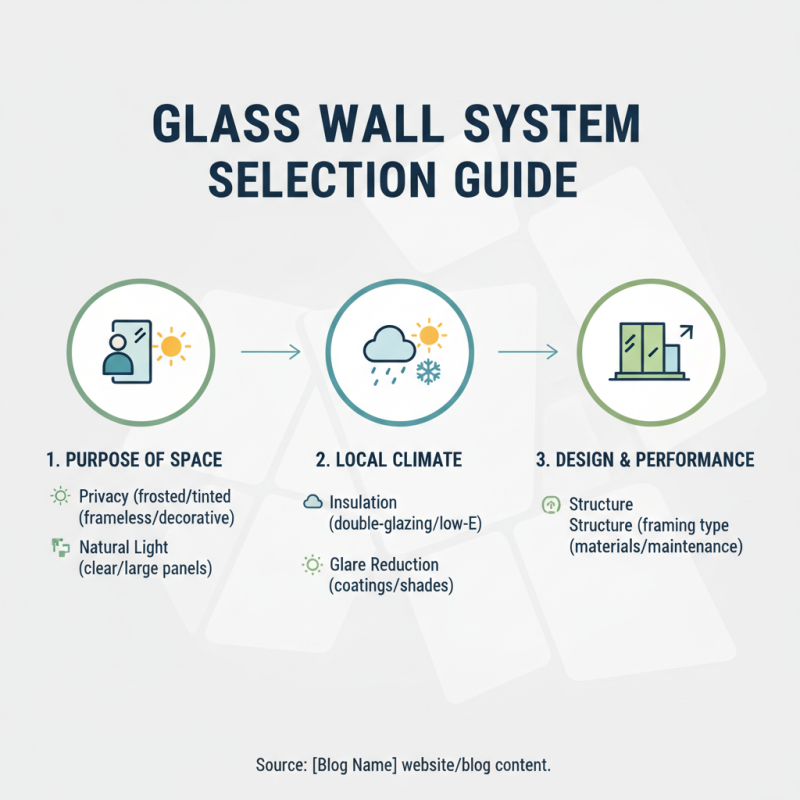
When selecting a glass wall system, several factors come to play. Start with the purpose of the space. Is it for privacy, aesthetics, or maximizing natural light? Each choice impacts your design. Moreover, consider the local climate. Glass systems might require different treatments for insulation or glare reduction, depending on environmental conditions.
**Tips:** Always check for energy efficiency ratings. Systems with better thermal performance can lead to significant savings. Choose materials that suit your weather. Some glass types perform better than others in extreme temperatures.
Another critical factor is installation. Not all systems are created equal. Some require specialized knowledge to install correctly. Yet, DIY could save money but may lead to future issues. Reflect on your skills before proceeding. Also, think about maintenance. Easy-to-clean options could save time and effort in the long run.
Lastly, remember durability. Not all glass systems withstand heavy impacts. Research materials that resist shattering or cracking. A glass wall system should provide safety as well as beauty.
When installing glass wall systems, proper practices are crucial. First, ensure the framing is level and structurally sound. Improper support can lead to issues over time. Use high-quality seals and adhesives to prevent moisture ingress. Poor sealing may result in extensive damage, which can be costly to repair.
Routine maintenance is essential for longevity. Regularly inspect the glass for scratches or chips. Even minor defects can escalate. Clean the glass with a gentle solution to avoid scratching. Use microfiber cloths for the best results. Neglecting these tasks can hinder performance and aesthetics.
Consider the environment where the glass wall systems are installed. UV exposure and temperature fluctuations can weaken materials. Some regions may require specialised coatings or treatments. Ensuring that the right products are used will enhance durability. Reflecting on past installations can help improve future applications. Each project offers unique challenges. Embrace them and adapt your approach to avoid pitfalls.
When considering the cost of glass wall systems, global buyers face various factors. The average price can range significantly based on the material and design complexities. According to industry data, high-quality glass can cost anywhere from $30 to $100 per square foot. This variability affects overall project budgets and demands careful analysis.
Maintenance costs are another essential consideration. Glass walls, while visually appealing, may require regular cleaning and occasional repairs. A report from the Architectural Glass Association highlights that maintenance can add an average of 10% to 15% to overall costs. Additionally, energy efficiency impacts should not be overlooked. Glass wall systems can contribute to energy savings, which may help offset initial investments.
Buyers should also consider installation expenses. Professional installation is crucial for performance and longevity. This can add $5 to $20 per square foot to the overall cost. Finding experienced contractors can be challenging and sometimes leads to higher quotes. Global buyers need to balance these expenses carefully. Awareness of these elements can lead to informed decisions, ultimately shaping the success of their projects.