What Is an Aluminum Composite Panel Exporter?
An Aluminum Composite Panel Exporter is more than a company that places panels on a ship. It connects manufacturers, architects, contractors, distributors, and overseas building projects. Its work may begin with a factory inspection and end beside a container at a busy port. In between, it must manage panel specifications, finishes, core materials, packaging, documentation, and delivery schedules.
The term sounds simple. It is not.
A dependable Aluminum Composite Panel Exporter understands that façade performance depends on details. Panel thickness, aluminum alloy, coating type, fire classification, flatness, and installation conditions all matter. A reliable exporter should explain these differences clearly instead of hiding behind attractive samples. It should also provide traceable test reports, realistic lead times, and responsive technical support. A polished catalog proves little without consistent production evidence.
Façade and building-envelope expert Dr. John Straube offers a useful principle: “A wall must control rain, air, heat, and vapor.” This idea helps place aluminum composite panels in their proper context. They are not merely decorative sheets. Their value depends on the complete façade system, including joints, fasteners, insulation, drainage, and workmanship.
Experience also reveals uncomfortable gaps. Some buyers focus heavily on price and overlook coating durability or installation guidance. Some exporters promise customization before checking production limits. These mistakes can create delays, uneven surfaces, or costly replacements. Therefore, this article examines what an Aluminum Composite Panel Exporter actually does, how professional exporters are evaluated, and which questions buyers should ask before approving an order. The goal is practical clarity, not sales language.
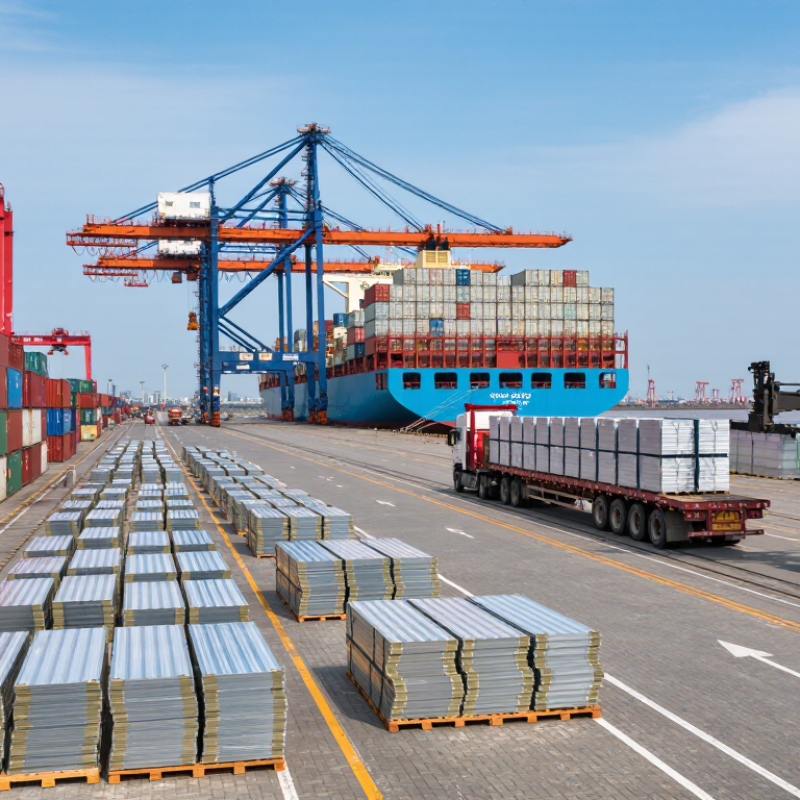
Definition of an Aluminum Composite Panel Exporter
What Is an Aluminum Composite Panel Exporter?
Definition of an Aluminum Composite Panel Exporter
An aluminum composite panel exporter is a company that sells and ships composite panels to buyers in foreign markets. These panels usually contain aluminum skins bonded to a lightweight core. The exporter connects manufacturers with contractors, distributors, and building material suppliers. Its role includes product sourcing, order coordination, export packaging, and delivery arrangements. Not merely a seller.
A reliable exporter checks panel thickness, coating type, core structure, surface finish, and color consistency. It should provide technical data, packing details, invoices, and shipping documents. Experienced teams also explain cutting limits, storage conditions, and suitable installation methods. They understand that a panel for an exterior facade may require different performance from an indoor decorative panel. Small errors matter.
In practice, professional exporters inspect goods before loading and protect edges with suitable packaging. They may arrange samples so buyers can compare flatness, gloss, and texture directly. Buyers should review test reports, production records, and communication quality before placing large orders. I have found that clear questions often reveal more than polished sales language. Some specifications remain unclear, and that deserves reflection. No shipment is perfect. A dependable exporter responds quickly when dimensions, packaging, or delivery details need correction.
Types of Aluminum Composite Panels Available for Export
An aluminum composite panel exporter does more than arrange overseas shipments. A capable supplier matches panel construction with building use, climate, fire requirements, and local documentation. Export selections usually differ by core, coating, thickness, and surface finish. This classification matters because a balcony facade faces different risks than an indoor sign.
Standard polyethylene-core panels suit many decorative walls and signs. They are lightweight, easy to cut, and often cost-efficient. Fire-retardant panels use mineral-filled cores to reduce flame spread and smoke development. A2-class panels contain more noncombustible mineral material for projects with stricter fire expectations. Requirements vary by jurisdiction, so test reports should match the supplied construction. That detail is often overlooked.
Coating types also shape export choices. PVDF finishes generally provide stronger resistance to sunlight and weathering on exterior facades. Polyester coatings can fit sheltered applications and tighter budgets. Anodized or brushed surfaces create a metallic appearance, while wood-look and stone-look finishes support architectural design without solid-material weight. An experienced exporter provides samples, technical data, packing details, and inspection records before loading. I would still request a batch sample. Color, flatness, and core consistency can change slightly between production runs. Export work is precise, but not flawless.
Key Services Provided by Exporters
What Is an Aluminum Composite Panel Exporter?
Key Services Provided by Exporters
An aluminum composite panel exporter connects qualified manufacturers with international construction buyers. Their work involves more than arranging overseas delivery. Experienced exporters explain panel structures, surface finishes, core options, and suitable applications. They may recommend fire-rated panels for public buildings or weather-resistant finishes for exterior walls. Details matter.
A reliable exporter checks panel thickness, coating quality, color consistency, and protective film before shipment. Some teams use production samples, calipers, and visual inspections during quality control. They also prepare commercial invoices, packing lists, certificates, and shipping documents. Accurate paperwork reduces delays at ports and helps buyers track each order. That step matters.
Exporters often coordinate custom sizes, colors, packaging, and loading plans. They can communicate technical requirements between architects, contractors, and factories. Clear advice is essential when a project needs curved panels, special edge treatments, or strict tolerance limits. After shipment, dependable exporters answer installation questions and investigate damage claims with evidence. Photos help.
No exporter is perfect. A responsible one admits uncertainty and confirms specifications before production. They should explain lead times honestly, rather than promise impossible schedules. In my experience, small errors in color codes or carton labels can create expensive site problems. Careful sample approval, written records, and regular updates prevent many of them.
What Is an Aluminum Composite Panel Exporter?
An aluminum composite panel exporter coordinates product preparation, compliance documents, packaging, shipping, and delivery for international customers.
Typical Export Workflow Duration
The chart shows indicative business-day ranges commonly used for export planning. Actual timing depends on order size, customization, destination regulations, and shipping conditions.
Export Standards, Certifications, and Quality Control
What Is an Aluminum Composite Panel Exporter?
An aluminum composite panel exporter supplies finished panels to construction markets across borders. The role extends beyond shipping panels internationally. A dependable exporter understands customs documents, destination standards, and project-specific technical requirements. Export records should identify panel dimensions, alloy, core type, coating system, and intended use. Clear documentation helps buyers compare shipments and meet local building requirements.
Quality claims should be supported by recognized test reports and applicable certifications. Depending on the destination, buyers may request evidence for fire performance, wind resistance, coating durability, and environmental management. Certificates must match the actual product, not a similar sample. That distinction matters. An experienced exporter checks certificate scope, testing dates, laboratory competence, and production consistency. They also verify packing strength, container loading, moisture protection, and label accuracy before dispatch.
Quality control begins with incoming aluminum, core materials, and coating inspections. Factories should monitor panel thickness, flatness, color variation, peel strength, and surface defects. Retained samples can support later investigations. Still, no inspection plan is perfect. A minor shade difference may escape a fast visual check under changing warehouse light. Reliable exporters record corrective actions, invite independent inspections when needed, and communicate problems early. That honesty is practical. It protects installation schedules and gives buyers evidence they can trust.
Factors to Consider When Choosing an Exporter
What Is an Aluminum Composite Panel Exporter?
Factors to Consider When Choosing an Exporter
An aluminum composite panel exporter coordinates manufacturing, testing, packaging, and international delivery. The best exporter also understands project risks. These include moisture, wind loads, fire performance, and port delays.
Market data shows why supplier selection matters. Grand View Research estimated the global aluminum composite panels market at over USD 6 billion in 2023. Its analysis also expects continued growth through 2030. However, market growth does not guarantee consistent panel quality. Ask for core thickness, aluminum skin thickness, coating type, and production tolerances. Request recent test reports, not only product brochures. EN 13501-1, ASTM E84, and equivalent standards may apply, depending on the project location. Check whether the reports match the exact panel structure. This detail is often missed.
Tips: Compare two or three exporters using the same specification sheet. Order a sample before approving bulk production. Inspect color, flatness, protective film, and edge quality. Verify factory capacity, packaging methods, and typical lead times. A reliable exporter should explain Incoterms, replacement procedures, and documentation clearly. Vague answers deserve caution. So do unusually low prices. The cheapest offer may hide thinner skins or weaker cores. I have found that certificates alone are not enough; factory records and shipment photos provide better practical evidence. Still, photos can mislead. An independent inspection may be worthwhile for large orders.