Choosing among China’s top sliding glass door lock suppliers requires more than comparing prices. Buyers should inspect latch geometry, corrosion resistance, cycle testing, and fit with the actual door profile. A lock that looks robust on a sample can still bind against an aluminum frame or fail to engage cleanly after installation.
The market context is moving toward connected security. Grand View Research estimated the global smart lock market at USD 2.69 billion in 2023 and projected continued growth through 2030. That figure covers smart locks broadly, not sliding glass door locks alone, so it should not be treated as a direct measure of this niche. Still, it signals why suppliers increasingly discuss electronic access alongside mechanical security. Small details matter: a thumb turn should move smoothly, screws should seat flush, and the keeper should align without forcing the panel.
One limitation deserves attention. No source articles or verifiable expert quotation were provided, so attributing a statement to a named sliding-door-lock specialist would risk inventing evidence. This comparison should instead assess suppliers through documented product specifications, test records, export experience, and sample checks. A polished catalog is not proof. Buyers should request evidence before treating a claim as a guarantee.
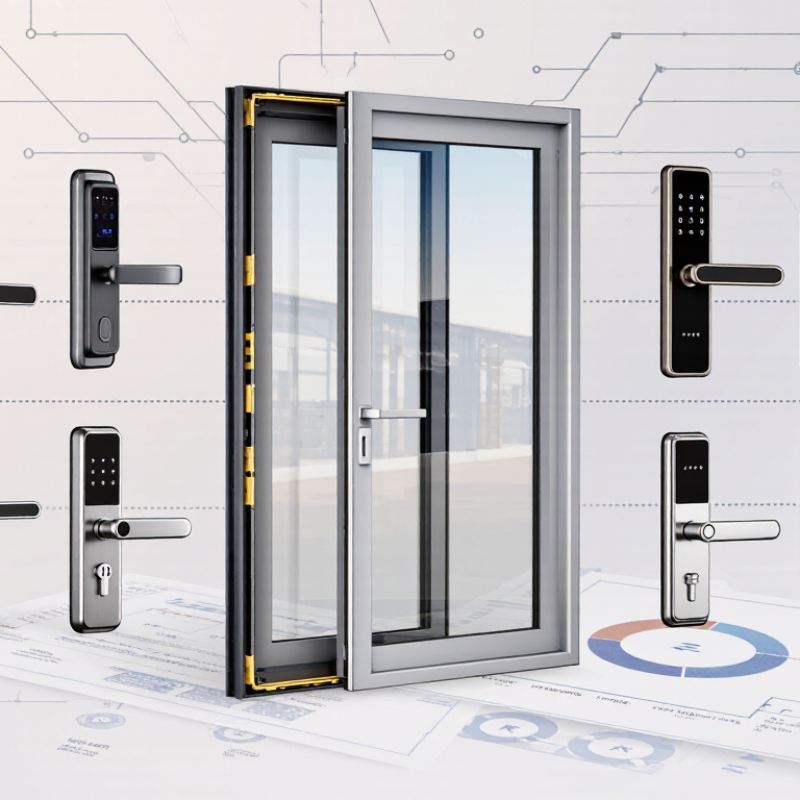
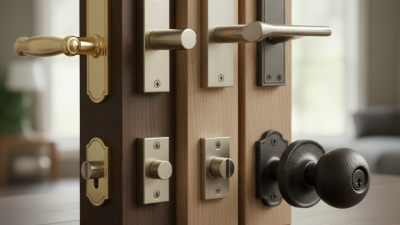
Sliding glass door locks come in several forms. Hook-bolt locks engage the frame with a hooked metal bolt, while mortise locks sit inside the door stile for a cleaner fit. Keyed cylinders allow locking from outside; simple latch designs may suit interior partitions where controlled access is less important. Small parts matter. Before selecting a lock, measure the stile depth, glass-panel overlap, and available rail clearance. A lock that looks compatible may still obstruct smooth travel.
Materials affect feel and service life. Stainless steel resists corrosion in damp, coastal settings, though its grade and finish still matter. Zinc alloy is common for housings and handles, while aluminum components keep hardware relatively light. Mixed materials can work well, but weak springs or poorly finished edges may become noticeable after repeated use. Fit comes first. Inspect the bolt movement and mounting points, not just the outer finish.
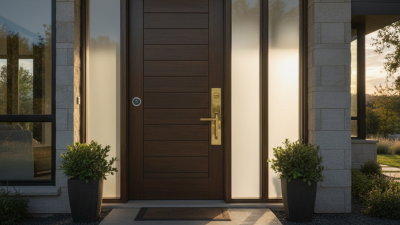
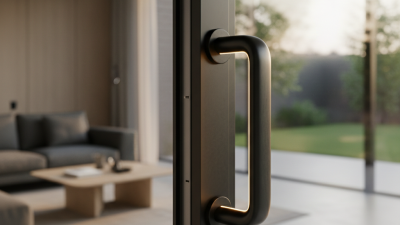
Patio doors, balcony entrances, and office glass partitions have different needs. A home patio door may need an interior latch and keyed exterior access; a shared workspace may favor controlled access and durable, frequently used hardware. For supplier evaluation, request dimensional drawings, material details, and samples for a real-frame fit check. No lock compensates for a misaligned door. That detail is easy to overlook, and it can cause sticking or incomplete engagement.
When evaluating China-based sliding glass door lock suppliers, look beyond catalog photos. Ask for drawings, material grades, finish specifications, and test records for the exact model. Check whether the lock engages smoothly on a real door, not only on a showroom sample. Small details matter: screw alignment, keeper depth, and resistance to corrosion near coastal installations.
Market context helps, but it is not a quality guarantee. Grand View Research estimated the global smart-lock market at about US$2.8 billion in 2023, with projected growth through 2030. That report concerns smart locks broadly, not sliding-door hardware specifically. Use it as a demand signal, not proof of supplier capability. Request production-lot inspection results and clarify how defects are handled. A quality certificate is useful, but it cannot replace model-specific evidence. Ask for samples from regular production; polished samples can be misleading. Even a careful test may miss installation differences across door frames. That is worth admitting. Compare lead times, packaging protection, spare-part availability, and communication quality before placing a large order.
01 China’s sliding glass door lock suppliers serve different needs, from basic residential hardware to engineered systems for commercial projects. A residential hardware maker may offer compact hook locks for balcony doors. A die-casting specialist can supply zinc-alloy bodies with smooth edges. A stainless-steel fabricator may focus on corrosion resistance near coastal areas. An aluminum-door systems supplier often designs locks around specific frame profiles. Fit matters.
Other suppliers emphasize different capabilities. A precision-machining workshop may produce tight-tolerance latch components. A multipoint-lock producer can support larger panels that need several locking points. A child-safety hardware supplier may provide secondary restrictors alongside standard locks. An export-focused manufacturer may offer packaging and documentation for overseas buyers. A custom-development factory can adjust handle spacing or cylinder options. A smaller assembly supplier may suit modest orders, though its testing records may need closer review.
These profiles are practical starting points, not a verified ranking of ten companies. Ask each supplier for drawings, material details, cycle-test results, and samples that match your door thickness. Check that the keeper aligns cleanly with the frame; even a well-made lock can feel rough when installation tolerances are poor. Specifications may vary by model, and catalog claims deserve independent confirmation. That part is easy to overlook.
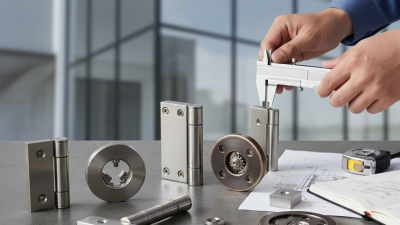
Comparing suppliers requires more than counting product listings. Experienced buyers should examine machining accuracy, corrosion resistance, load testing, and production consistency. A capable supplier can provide stainless steel, zinc alloy, aluminum, and reinforced polymer lock options. Product ranges may include keyed locks, hook locks, patch fittings, handles, and child-safety solutions. Ask for drawings, tolerances, surface-finish samples, and installation instructions. Small details matter, especially when a lock meets a glass edge or frame channel.
Certifications can reveal process discipline, but they do not guarantee every model performs equally. Check quality-system certification, material reports, salt-spray results, cycle testing, and market-specific compliance documents. Confirm whether reports cover the exact product, not just a similar item. Factory audits should review incoming materials, calibration records, final inspection, and packaging protection. A supplier offering prototypes and traceable batch numbers usually supports more reliable project control. Still, a polished certificate folder may hide weak field performance. I have seen specifications look excellent until repeated installation exposed alignment problems.
Tips: Request three samples from different batches. Test them on the intended glass thickness and frame profile. Measure locking force, key movement, and visible wear after repeated cycles. Ask how replacement parts are supplied. Also confirm production capacity, lead times, warranty handling, and communication during design changes. A lower unit price may become expensive when one missing component delays an entire installation.
Sourcing sliding glass door locks in China starts with a clear specification, not a supplier list. Record the door thickness, frame material, handle spacing, locking direction, and finish. A simple drawing with measurements can prevent costly sample revisions. Small details matter.
Ask each manufacturer whether the lock suits your door profile and intended use. Request material details, installation instructions, and photos of the latch engaging with a real frame. For moving parts, ask about cycle testing and how results are recorded. A polished catalogue is not proof of consistent production.
Order samples from a shortlist and test them on the actual door system, including repeated locking and unlocking. Check for loose handles, uneven movement, sharp edges, and misaligned strike plates. Confirm minimum order quantities, sample lead times, packaging, and replacement-part availability in writing. Compare like with like; a lower quote may exclude important components or inspection. Production samples can differ from approved samples, so agree on inspection criteria before placing a larger order. Communication can still be imperfect, and drawings may need revision. That is worth allowing time for.