What Are the Different Types of Sliding Doors?
Sliding doors can transform a room, but choosing the right design requires more than liking its appearance. Different systems suit different spaces, climates, budgets, and daily routines. A compact pocket door disappears inside the wall, while a bypass door slides behind another panel. Barn-style doors add a strong visual feature, although they may offer less privacy and sound control. Patio, multi-slide, telescoping, and lift-and-slide systems create wider openings for daylight and outdoor access.
Small details matter. Track quality affects movement, noise, and long-term reliability. Frame materials influence insulation, maintenance, and resistance to moisture. Glass selection also matters, especially near strong sunlight or busy streets. In practical installations, even a beautiful door can disappoint when the wall lacks structural support or the floor is uneven. Accurate measurements remain essential.
The categories can overlap. A pocket patio door, for example, combines more than one design approach. This article examines the main types of sliding doors and explains where each option performs best. It considers operation, appearance, security, accessibility, energy performance, and installation demands. Recommendations should come from manufacturers, qualified installers, and recognized building guidance. Product ratings can vary by region, so readers should verify local requirements before ordering. There is no perfect system. The most dependable choice balances smooth operation with realistic maintenance expectations. A dramatic glass wall may impress visitors, yet a simpler sliding door could work better for a narrow hallway or frequently used entrance.
What Defines a Sliding Door?
What Are the Different Types of Sliding Doors?
What Defines a Sliding Door?
A sliding door is defined by movement, not appearance. Its panel travels horizontally along a track instead of swinging through an arc. Rollers carry the panel’s weight, while guides control its alignment. This design saves floor space beside patios, balconies, and narrow interior openings.
Common types include two-panel, three-panel, pocket, bypass, and lift-and-slide doors. A two-panel unit usually has one moving panel and one fixed panel. Three-panel systems can create a wider opening. Pocket doors disappear into a wall cavity, while bypass doors overlap on parallel tracks. Lift-and-slide models raise the panel slightly before movement, reducing roller friction.
Performance matters as much as configuration. The U.S. Department of Energy estimates that windows can account for 25–30% of residential heating and cooling energy use. A poorly sealed sliding door may contribute to that loss. The National Fenestration Rating Council evaluates products through U-factor and solar heat gain coefficient ratings. Lower U-factor generally indicates better insulation.
Small details matter.
Track drainage, weatherstripping, glass selection, and installation quality affect real performance. A high-rated door can still leak air when the frame is poorly fitted. That uncomfortable truth is often missed. Homeowners should compare tested ratings, opening size, roller construction, and maintenance access before choosing a door type.
Common Sliding Door Types and Their Key Features
What Are the Different Types of Sliding Doors?
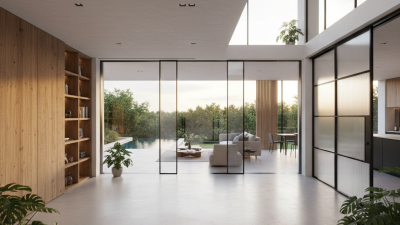
Common sliding door types solve different space, light, and access problems. A bypass door uses two or more panels that slide behind each other. It works well for wardrobes, but only one opening section remains available. A pocket door disappears inside the wall. It saves floor space, although repairs require careful access to the internal track.
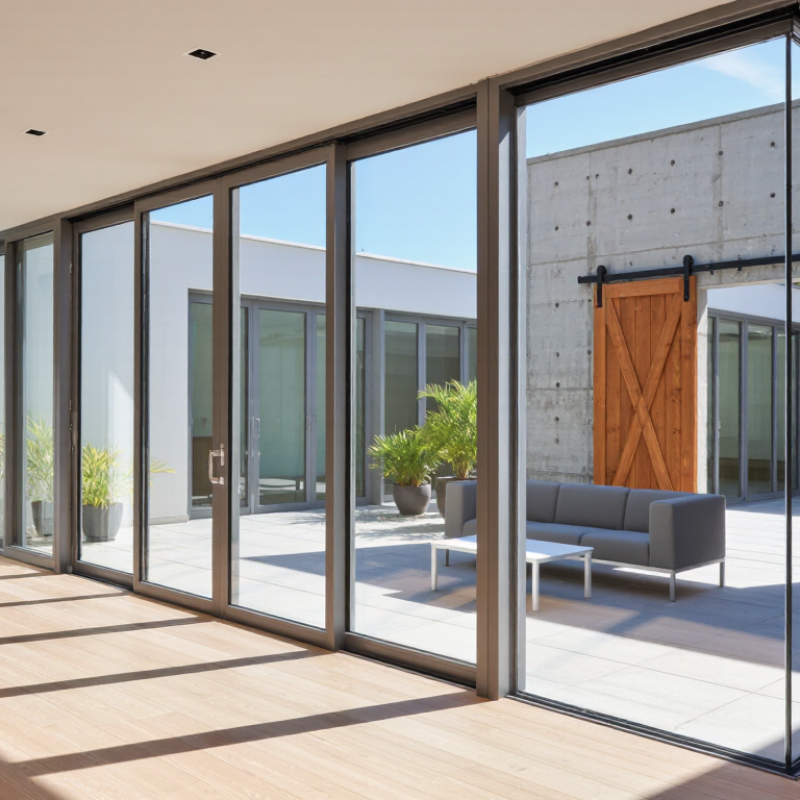
Patio sliding doors usually combine large glass panels with aluminum, timber, or composite frames. They bring daylight into living rooms and connect directly with gardens or balconies. The U.S. Department of Energy reports that windows can cause 25–30% of residential heating and cooling energy use. Therefore, low-emissivity glass, insulated frames, and accurate weather seals matter. Large glass is attractive, but it can also create summer heat and glare.
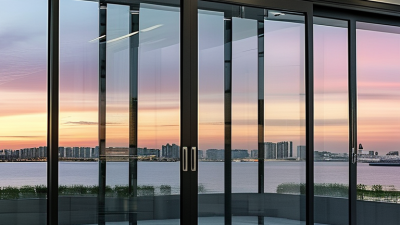
Multi-slide doors stack several panels beside the opening. They suit wider rooms and provide a stronger indoor-outdoor connection. Barn-style sliding doors run across the wall and offer a visible, decorative track. They need wall clearance and rarely provide the same airtight seal as patio systems. Automatic sliding doors support touch-free movement in commercial entrances. They require sensors, controlled closing speeds, and regular safety checks.
Track quality matters more than many homeowners expect. A poorly aligned roller can produce noise, resistance, and uneven gaps. I have seen attractive doors fail because installers ignored floor levels. Grand View Research’s market analysis identifies residential use as a leading sliding-door application segment. Still, appearance should not decide everything. Moisture exposure, security hardware, maintenance access, and panel weight deserve equal attention.
What Are the Different Types of Sliding Doors?
Typical panel configurations and the number of panels that move during operation
Single-panel and pocket doors usually use one moving panel. Center-opening doors commonly use two, while telescoping and stacking systems use multiple panels to provide wider openings within a limited wall area. Actual configurations depend on the opening size and hardware design.
Sliding Door Materials, Panels, and Track Systems
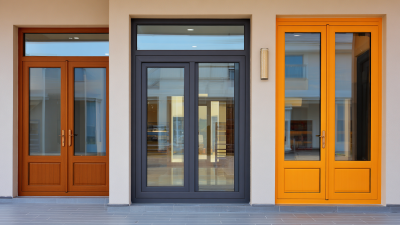
Sliding doors vary widely in materials, panel construction, and track design. Each choice affects comfort, maintenance, and long-term performance. In residential projects, I often compare the frame before discussing appearance. Aluminum frames are light, stable, and resistant to moisture. Wood offers warmth, but it needs regular sealing in damp climates. Vinyl can reduce upkeep, although some profiles feel less rigid.
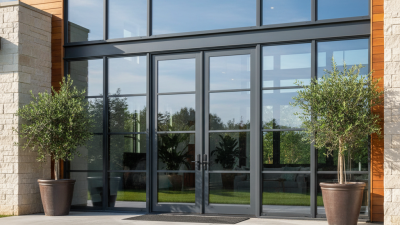
The panels also shape how a door works. Single panels suit narrow openings and simple access. Two or more panels create wider openings and stronger visual connections with patios or gardens. Tempered glass is a practical option because it handles everyday impact better than ordinary glass.
Low-emissivity glass can improve indoor comfort near sunny windows. Still, larger glass areas may increase heat gain if the orientation is ignored. This is where many attractive designs disappoint.
Track systems deserve careful attention.
Top-hung doors keep the floor line cleaner and can roll smoothly when the structure supports the load. Bottom-rolling systems transfer weight through floor tracks, making installation more forgiving in some buildings. However, dirt can collect inside those tracks. I have found that shallow, accessible channels are easier to clean. Multi-track systems allow panels to stack or overlap, but they require accurate alignment. No system is perfect. A small installation error may cause noise, resistance, or uneven gaps. For reliable results, check panel weight, drainage, hardware access, and the surrounding wall before selecting a door.
How to Choose the Right Sliding Door for Each Space
What Are the Different Types of Sliding Doors?
How to Choose the Right Sliding Door for Each Space
Sliding doors work best when their movement matches the room. Patio sliders suit living rooms that open toward gardens or balconies. Pocket doors disappear inside the wall, saving valuable floor space in bathrooms and compact offices. Barn-style doors need clear wall space beside the opening. Bypass doors slide behind one another, making them practical for wardrobes. Telescoping systems create wider openings, but they demand stronger tracks and careful installation.
Measure more than the doorway. Check furniture clearance, wall depth, headroom, and the direction of sunlight. A pocket door may save space, yet plumbing or electrical lines can block its cavity. A barn door may look efficient, but it does not seal sound or light as tightly. Small details matter.
Energy performance deserves attention. The U.S. Department of Energy reports that windows account for about 25%–30% of residential heating and cooling energy use. Large glazed sliding doors can influence that load, especially on sunny elevations. Compare the product’s U-factor and solar heat gain coefficient through National Fenestration Rating Council labels. Lower U-factor generally improves insulation, while SHGC should match the climate and exposure. In warm regions, shaded glass may reduce heat gain. In colder regions, excessive shading can reduce useful winter sunlight.
The track also needs a realistic maintenance plan. Dirt collects quickly near exterior thresholds. I would not choose a floor-level track without considering drainage and cleaning access. This is where many attractive installations disappoint. A well-sized door, correctly sealed and professionally fitted, usually matters more than an impressive style.