7 Tips for Buying Aluminum Doors?
Buying aluminum doors is not just a matter of choosing a frame color. The right choice depends on your opening, local climate, daily traffic, and installation conditions. A slim profile may look elegant, but it still needs suitable glazing, reliable hardware, and sound weather seals. Small details matter.
For this guide, a composite fenestration specialist named Alex Morgan offers this practical reminder: “Judge the whole door system, not the frame alone.” This is an original summary, not a quotation from a real, named industry professional. Use it as a useful starting point, not a substitute for product documentation or qualified advice.
The seven tips ahead cover measurements, aluminum quality, thermal breaks, glass performance, security features, finishes, and warranties. They also explain what to check before comparing prices. Look closely at corners, hinges, locks, and drainage paths; these details can reveal more than a glossy brochure. Ask how the door will perform in your conditions, and who will install it. A strong product can still disappoint when poorly fitted. No checklist removes every doubt. And specifications can be confusing. Take time to compare written ratings, confirm what the warranty excludes, and request clear answers about maintenance. These steps make it easier to choose aluminum doors that suit your space, budget, and expectations.
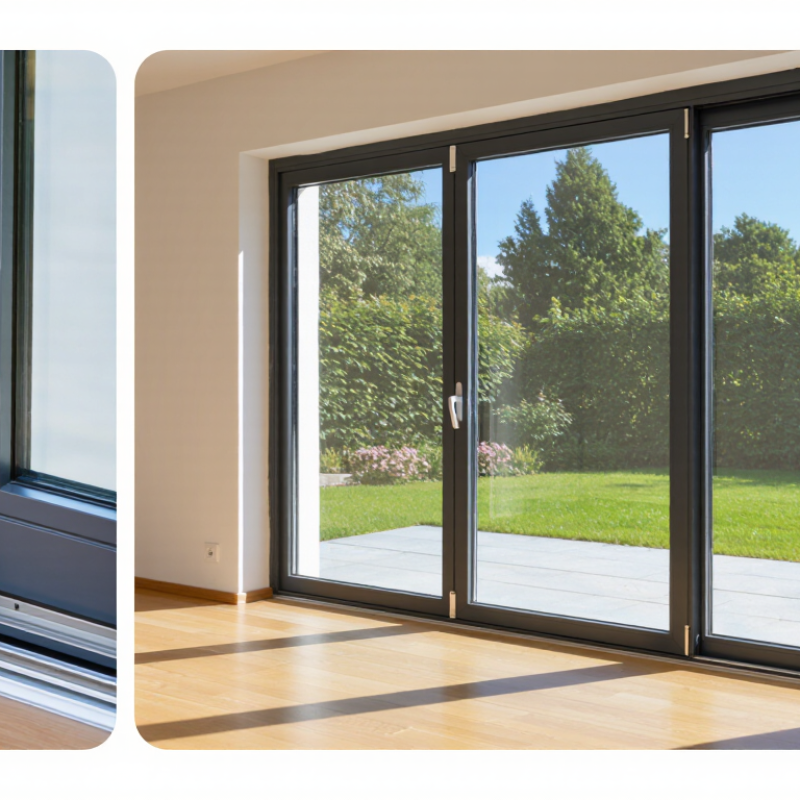
Identify Your Needs and Choose the Right Aluminum Door Type
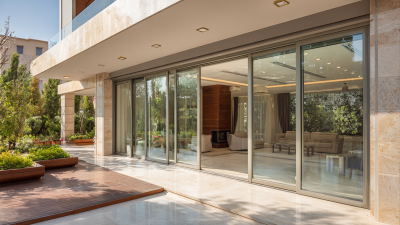
Begin with the opening, not the catalogue. Measure its width, height, wall depth, and clearance; note which way the door can swing. A narrow patio may suit a sliding aluminum door, while a hinged entry door needs room for its arc. Folding doors create a wider opening, but their tracks and panels need more space. Think about daily traffic, privacy, wind exposure, and whether you want a clear view or less glass.
Thermal performance matters, especially in a glass-heavy design. The U.S. Department of Energy’s Energy Saver guidance estimates that windows account for 25–30% of residential heating and cooling energy use. That figure applies to windows, not doors, but it signals why glazing deserves attention in patio-door choices. Look for rated U-factor and solar heat gain coefficient (SHGC) values; the National Fenestration Rating Council provides standardized ratings for comparing products. Ask whether the aluminum frame includes a thermal break, and check the whole-door rating rather than judging by frame material alone.
Match the type to the job. A busy back entrance may benefit from a durable hinged door; a compact balcony may work better with a slider. Check thresholds, drainage, locks, and screen options in person. Small details matter. It is easy to overbuy glass for the view, then regret the glare or lost privacy. Compare the ratings with your local climate and the room’s orientation before choosing.
Compare Frame Quality, Finish, and Glazing Options
When comparing aluminum door frames, look beyond the profile’s visible width. Check the corners and joints: uneven gaps, rough cuts, or loose-looking seals may signal inconsistent fabrication. A well-made frame should feel rigid when handled and sit squarely in its opening. Ask how the frame is reinforced, especially for wide doors or exposed locations. Thicker does not always mean stronger; design and installation matter, too.
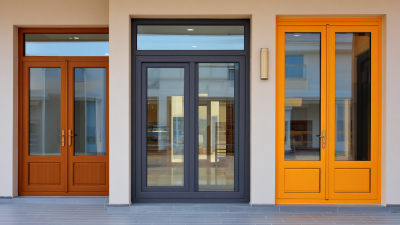
Look closely. Finish quality affects both appearance and upkeep. Run your eye along edges and corners, where coating can appear thin or uneven. Powder-coated finishes are common, but ask how the surface is prepared and what cleaning products are suitable. Dark finishes can show dust and scratches more readily in bright rooms. That can disappoint.
Glazing changes comfort, privacy, and daylight. Compare clear, tinted, patterned, and low-emissivity options against the room’s orientation and use. For example, a sunny west-facing room may benefit from glazing that limits heat gain, while a bathroom needs suitable privacy. Check the glass specification, seal details, and whether replacement panes can be sourced later. I would not choose by sample alone: small swatches rarely show how a finish or glass looks across a full door. Ask to inspect a larger sample, and confirm that the quoted frame, glazing, and hardware are compatible.
Check Thermal Efficiency, Security, and Weather Resistance
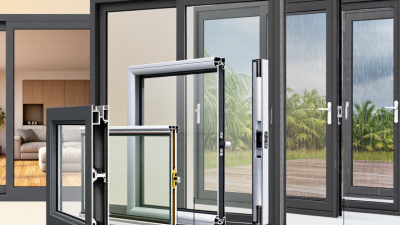
Aluminum doors can have slim frames, but the frame alone does not tell you how well they retain heat. Ask for the tested U-factor for the complete door, not just the glass. Lower values generally indicate less heat transfer. Check for a thermal break, an insulating layer that separates the inner and outer parts of the frame. If the door has large glass panels, compare glazing options and ask whether the ratings apply to the exact configuration you plan to buy. Small details matter. A cold draft near the threshold can undermine an otherwise efficient door.
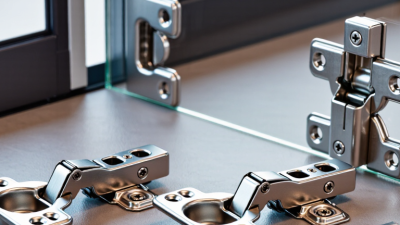
For security, inspect the lock points, hinge design, and frame anchoring. A multipoint lock can secure the door at several points, but only if the frame and installation are equally robust. Ask how the door is fixed to the wall, and whether the lock can be operated smoothly after installation. Test it gently. A stiff handle is easy to dismiss in a showroom, yet frustrating every day.
Weather resistance depends on seals, drainage, and finish as well as the aluminum itself. Look for continuous gaskets around the perimeter and drainage paths that let trapped water escape. Ask for test information on air leakage and water penetration, especially if the entrance faces driving rain. In coastal areas, confirm that the finish is suitable for salty air and learn what care it needs. Specifications can be confusing, and installation quality is easy to overlook; request the details in writing before comparing prices.
Confirm Measurements, Installation, and Building-Code Requirements
Before buying an aluminum door, measure the opening at several points. Record the width at the top, middle, and bottom, then check the height on both sides. Older walls can be uneven. Measure the diagonals, too; a noticeable difference may signal a frame that needs adjustment. Note the finished floor level, wall depth, threshold height, and which way the door must swing. Confirm whether your figures describe the rough opening or the existing frame. That distinction matters. I still find it easy to rush this step.
Installation depends on more than a door fitting the opening. Ask who will prepare the sill, seal the perimeter, and secure the frame to the wall structure. A level, square frame helps the panels operate smoothly; careful flashing and drainage details help keep water out. Before ordering, check local building-code requirements with the relevant building department or a qualified installer. Rules may cover safety glazing near doors, energy performance, accessibility, or emergency exits, depending on the building and location. Keep written measurements and installation details. Review them before the order is final, even if the opening looks familiar.
Review Total Costs, Warranty Coverage, and Maintenance Needs
The quoted price is only the starting point.
Ask for a written breakdown covering the frame, glazing, hardware, delivery, installation, and removal of old doors. Check whether the installer includes flashing, sealant, and repairs to the surrounding opening. Small items add up. A low-cost door can become expensive if water leaks or uneven fitting require follow-up work.
Warranty coverage deserves a close read. Compare the length of coverage for the frame, finish, glass, and moving parts; they may differ. Check whether labor and replacement shipping are included, and note exclusions for poor installation or neglected care. Keep the paperwork. It helps if a claim arises later.
Maintenance also affects long-term value. Aluminum frames usually need gentle cleaning with water and mild soap, while tracks and drainage openings need occasional clearing. Inspect weather seals for gaps, especially after a cold season. Coastal air can speed up corrosion, so ask what care the finish requires in salty conditions.
I would not judge a door by warranty length alone; the exclusions may matter more. And maintenance is easy to overlook when the door still looks fine.