Select Page

China Top Storefront Glass Door Manufacturers?

China’s storefront glass door industry serves retail, hospitality, offices, and transportation projects worldwide. Market reports usually group these products within architectural or commercial glass categories. Grand View Research estimated the global architectural glass market at approximately USD 78 billion in 2023. Its forecast also indicates steady growth through 2030. These figures show demand, but they do not rank individual Chinese manufacturers.

A reliable review needs more than factory photographs. It should examine glass thickness, tempering quality, hardware durability, thermal performance, and installation support. EN 12150 covers thermally toughened safety glass. EN 12600 evaluates pendulum impact behavior. ASTM C1048 provides another useful reference for heat-treated flat glass. Manufacturers with ISO 9001 systems may offer stronger process control, although certification alone proves little. Ask for batch records, test reports, warranty terms, and project references. A real showroom tells more than a polished brochure.

This guide evaluates China’s leading storefront glass door manufacturers through production capacity, customization experience, export reliability, and after-sales service. It also considers practical details, such as slim aluminum frames, concealed floor closers, laminated safety glass, and accurate door alignment. No ranking is perfect. Supplier performance can change between projects. Buyers should confirm current certificates and inspect samples before approval. That small step often prevents expensive replacement work. A dependable storefront glass door supplier should explain limitations clearly, not promise everything. Product quality depends on design, fabrication, packaging, transport, and installation. Missing one link can affect the entire entrance.
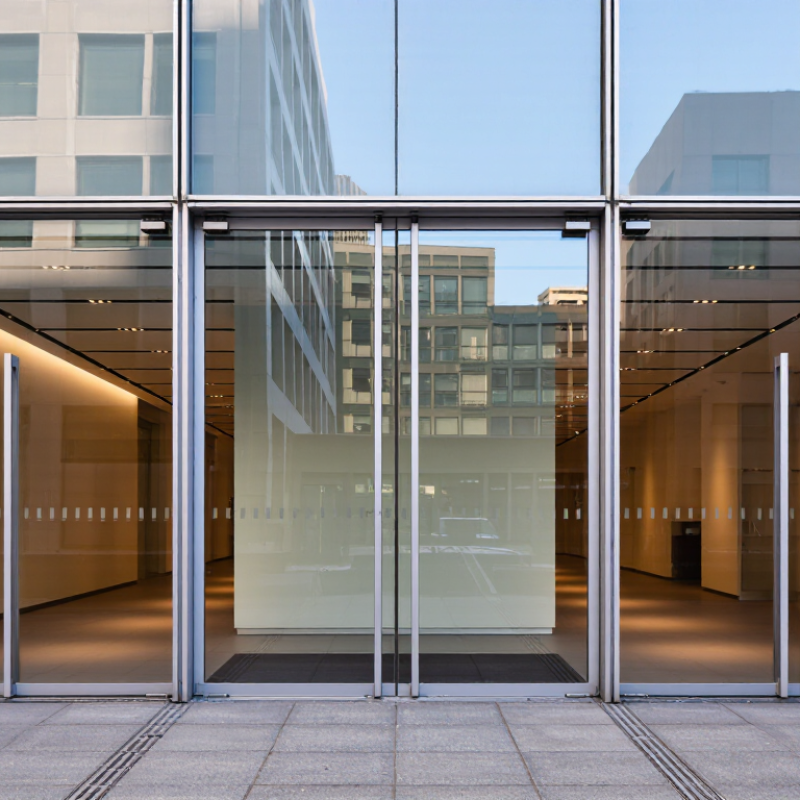
China Top Storefront Glass Door Manufacturers?

What Are Storefront Glass Doors and Why Are They Important?

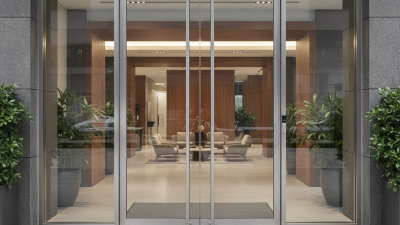
Storefront glass doors are glazed entrance systems fitted into a commercial façade. They usually include tempered or laminated safety glass, aluminum framing, hinges, closers, and weather seals. Unlike ordinary interior doors, they must manage daily traffic, wind pressure, heat transfer, and security. A busy entrance may open hundreds of times each day. Small hardware weaknesses become obvious quickly.

Their importance is practical and visual. Clear glass brings daylight into retail spaces and lets customers see products before entering. The U.S. Department of Energy reports that windows can cause 25–30% of residential heating and cooling energy use; commercial glazing also affects indoor comfort and operating costs. The International Energy Agency’s 2024 buildings report states that buildings consume about 32% of global energy. Better doors cannot solve that challenge alone, but tighter seals and suitable low-emissivity glass can reduce unwanted heat movement.

Specifications matter more than appearance. Buyers should check safety-glazing compliance, air leakage, water resistance, glass thickness, coating performance, and hardware cycle testing. ASTM and EN test methods offer useful reference points, but certificates should match the actual door configuration. A polished sample may hide poor installation. That is an uncomfortable detail. Manufacturers in China can be evaluated through drawings, test reports, quality-control records, and third-party inspections. Yet even strong factory data cannot replace accurate site measurements and careful installation.

Storefront Glass Doors: Key Accessibility Dimensions

Storefront glass doors combine daylight, visibility, security, and accessible circulation. The chart shows selected U.S. ADA reference dimensions in inches.

Reference values: accessible door clear opening of at least 32 inches, maximum clear opening of 48 inches, and a threshold height of no more than 1/2 inch under the 2010 ADA Standards for Accessible Design. Actual storefront systems must also comply with applicable local building, safety-glazing, wind-load, energy, and fire requirements.

Key Types of Storefront Glass Doors Available in China

Key Types of Storefront Glass Doors Available in China

China’s storefront glass door market offers several practical configurations for retail, office, and hospitality projects.

Framed glass doors use aluminum profiles around the panel. They provide stronger edge protection and suit busy entrances. Frameless doors create a cleaner visual line. However, they need accurate floor and ceiling alignment. Single swing doors work well in narrow entrances. Double swing doors improve traffic flow when the opening is wider. Sliding glass doors save space near counters or display areas.

Automatic sliding doors support frequent customer movement. They usually combine tempered glass, sensors, tracks, and controlled opening speeds. Manual sliding systems cost less, but their rollers need regular inspection.

Tempered glass improves impact resistance. Laminated glass offers better retention after breakage. Thermally broken aluminum frames can reduce heat transfer in air-conditioned spaces. The correct choice depends on opening size, wind exposure, traffic volume, and maintenance access.

Tips:

Ask for glass thickness, hardware specifications, and test records before ordering. Check hinge alignment on a sample door. Small gaps can become noisy later. Confirm drainage and threshold details with the installer.

I have seen attractive systems fail because the floor was uneven. That detail is easy to overlook. Also, avoid choosing frameless doors only for appearance; heavy traffic may demand a reinforced solution.

How to Evaluate Chinese Glass Door Manufacturers

Choosing among China’s top storefront glass door manufacturers requires more than comparing online prices.

Start with product specifications. Confirm glass thickness, heat treatment, frame material, hardware grade, and opening cycles. Ask for evidence. Request test reports, quality certificates, and factory inspection records from independent sources. A polished showroom can mislead.

Request a physical sample before placing a large order. Check door alignment, edge finishing, locking force, and seal performance by hand. For automatic doors, review sensor response and emergency operation.

Experienced manufacturers should explain tolerances clearly. They should also provide shop drawings with dimensions, fixing points, and installation notes. Vague answers may indicate weak engineering control.

Visit the factory when possible, or arrange a live video inspection. Observe glass storage, cutting equipment, assembly areas, and final inspection procedures. Ask how defects are recorded and corrected.

I have learned that fast replies do not always mean reliable production. One supplier may communicate well but overlook packaging details. Discuss moisture protection, corner guards, spare parts, lead times, and warranty responsibilities in writing. Compare the approved sample with the contract, because small changes can affect safety, appearance, and installation costs.

Leading Manufacturing Regions and Industry Capabilities in China

China’s storefront glass door industry is concentrated in several manufacturing belts, each with different strengths. Guangdong, especially Foshan and nearby cities, combines glass processing, aluminum fabrication, and architectural hardware supply. Factories there often support custom entrances, slim frames, automatic systems, and fast sample revisions. That speed matters for retail projects with changing layouts. Quality still varies.

Jiangsu and Zhejiang have strong capabilities in precision metalwork, coated profiles, and engineered door components. Their plants commonly use CNC cutting, robotic welding, edge polishing, and tempering lines. Some suppliers also produce laminated safety glass and insulated panels for demanding commercial interiors. In Shandong, larger workshops may offer heavy-duty frames and wider production space. This suits hotel, mall, and transport projects.

A reliable manufacturer should provide glass thickness records, hardware specifications, and inspection reports before shipment. Ask for corner alignment, opening-force, coating adhesion, and water-resistance checks. A practical audit includes watching glass handling on the factory floor. Small details reveal more than a polished showroom. One common lesson is simple: compare production samples, not only drawings. Even a good sample may hide limited hinge adjustment or uneven sealing. Lead times also need written confirmation, since peak seasons can disrupt capable factories.

China Top Storefront Glass Door Manufacturers? - Leading Manufacturing Regions and Industry Capabilities in China

Manufacturing Region Representative Production Areas Common Storefront Door Capabilities Typical Glass Options Frame and Hardware Options Key Supply-Chain Advantages
Guangdong Foshan, Guangzhou, Shenzhen, Dongguan High-volume fabrication of framed and frameless entrance doors, sliding doors, folding doors, and automatic door assemblies Clear tempered, laminated safety glass, low-iron glass, tinted glass, frosted glass, and insulated glass units Aluminum, stainless steel, and slim-profile systems; patch fittings, floor springs, handles, locks, and automatic operators Strong architectural hardware, aluminum extrusion, glass-processing, and export-logistics networks
Jiangsu Suzhou, Wuxi, Nantong, Changzhou Commercial entrance systems, large-format glass panels, thermally improved door assemblies, and project-based fabrication Heat-strengthened or tempered glass, laminated glass, double-glazed units, ceramic-frit glass, and coated architectural glass Aluminum framing, stainless-steel fittings, concealed closers, panic hardware, and customized door profiles Access to advanced flat-glass processing, equipment suppliers, engineering talent, and the Yangtze River logistics corridor
Zhejiang Hangzhou, Ningbo, Jiaxing, Huzhou Retail storefront doors, office entry doors, hotel and commercial interior systems, and customized small-to-medium project orders Tempered clear glass, laminated glass, acid-etched glass, patterned glass, and insulated glass for improved thermal performance Powder-coated or anodized aluminum, stainless steel, concealed hinges, locks, pull handles, and soft-close components Well-developed light-manufacturing base, strong customization capacity, and convenient access to Ningbo and Shanghai ports
Shandong Qingdao, Jinan, Yantai, Weifang Standard and heavy-duty commercial doors, large glass panels, industrial-commercial entrances, and curtain-wall-related door systems Tempered safety glass, laminated glass, insulated glass, tinted glass, and low-emissivity coated glass Aluminum and stainless-steel frames, floor springs, hydraulic closers, commercial locks, and reinforced entrance hardware Established flat-glass production base, strong metal-processing capability, and access to northern China and coastal shipping routes
Hebei Langfang, Qinhuangdao, Shijiazhuang, Tangshan Cost-conscious storefront door production, standard commercial entrances, glass partitions, and project supply for northern markets Clear tempered glass, laminated safety glass, insulated glass, tinted glass, and decorative glass Aluminum frames, stainless-steel fittings, patch hardware, door closers, handles, locks, and standard automatic-door components Proximity to major glass-production resources, Beijing-Tianjin logistics, and northern construction markets
Fujian Xiamen, Quanzhou, Fuzhou Retail, hospitality, office, and residential-commercial entrance doors with strong customization for export-oriented projects Tempered glass, laminated glass, low-iron glass, frosted glass, patterned glass, and insulated glass Aluminum, stainless steel, frameless systems, sliding mechanisms, handles, locks, and automatic operators Established export manufacturing environment, coastal shipping access, and experience with customized architectural products
Technical and Purchasing Notes: Confirm glass thickness, safety-glass treatment, door dimensions, wind-load requirements, thermal-performance targets, hardware grade, finish specification, packaging method, installation conditions, and applicable destination-country standards before placing an order. Chinese projects commonly reference standards such as GB 15763.2 for safety glazing and GB/T 9963 for tempered glass; export projects may also require compliance with standards such as EN 12150, EN 14449, ANSI Z97.1, or CPSC 16 CFR 1201, depending on the destination market.

What to Check Before Choosing a Supplier

When evaluating China’s top storefront glass door manufacturers, look beyond polished catalogs. A reliable supplier should explain glass thickness, tempering methods, edge finishing, and hardware compatibility clearly. Ask for recent factory photos, production records, and sample inspection reports. Documents matter. However, documents alone prove little without traceable production details. Request a video call from the cutting area to final packing. Notice cleanliness, labeling, and how staff handle finished panels. These small details often reveal process discipline.

Before choosing a supplier, test communication with a detailed drawing. Include opening direction, dimensions, glass type, frame finish, lock position, and installation conditions. Ask the supplier to mark unclear points before quoting. A low price can hide weak hinges, thin seals, or costly replacement parts. Confirm whether the quoted price includes crating, export packaging, spare hardware, and delivery terms. Check production capacity during busy seasons, not only during a quiet sales call. Ask for references from comparable commercial projects, then verify dates and installation results independently.

Order a physical sample when the project allows it. Inspect door alignment, handle movement, silicone lines, surface scratches, and protective film. I once trusted a promising sample and ignored packaging quality; several panels arrived with corner damage. That mistake changed my inspection process. A supplier may answer every question and still miss a deadline. Put inspection stages, acceptable tolerances, warranty terms, and corrective actions in writing. Keep communication records. Trust should grow from repeated evidence, not one confident sales conversation.