Select Page

What Are the Top Types of Metal and Glass Doors?

Metal and glass doors shape how a building feels before anyone steps inside. They also affect daylight, visibility, security, and energy performance. The main options include steel doors with glazed panels, aluminum-framed glass doors, full-glass doors, sliding systems, and pivot designs. Each suits a different opening, from a narrow office entrance to a wide patio connection.

Performance matters as much as appearance. The U.S. Department of Energy’s Energy Saver guidance states that windows account for about 25–30% of residential heating and cooling energy use. That figure concerns windows, not doors, so it should not be applied directly to a door specification. Still, it highlights why glazing area, frame design, and weather seals deserve attention. The National Fenestration Rating Council provides standardized ratings, including U-factor and solar heat gain coefficient, that help compare relevant products. Check the actual product label. A showroom impression is not a performance test.

This guide compares the top types of metal and glass doors by construction, typical use, and practical trade-offs. Steel can provide a solid, reassuring feel, while aluminum frames can create slimmer sightlines around large glass panels. Sliding doors save swing space; pivot doors make a stronger architectural statement but need careful planning. There is no universal winner. Local climate, opening size, hardware, and maintenance expectations all matter, and specifications can be confusing. That deserves a closer look.
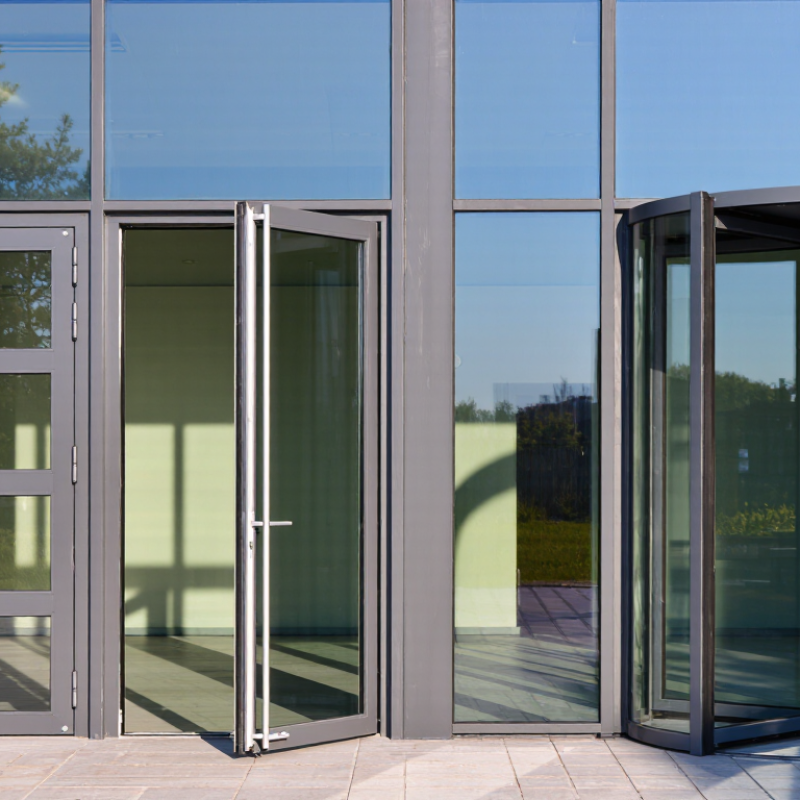
What Are the Top Types of Metal and Glass Doors?

How Metal and Glass Doors Are Classified

Metal and glass doors are classified by more than appearance. A useful starting point is the frame material. Steel frames are chosen for rigidity and frequent use, while aluminum frames are lighter and resist corrosion in many settings. The finish matters, too. A scratched coating near a busy entrance may need attention sooner than expected.

Glass is another key category. Clear glass keeps sightlines open; frosted or patterned glass adds privacy. Laminated glass holds together when cracked, while tempered glass is heat-treated for greater strength and breaks into small pieces. These options are not interchangeable. The right choice depends on the opening, expected traffic, and the level of privacy needed.

Doors can also be grouped by how they move: hinged, sliding, pivoting, or folding. A hinged door needs clear swing space. Sliding models suit narrow corridors, but their tracks require regular cleaning. There is a trade-off. Finally, classifications may include fire rating, acoustic performance, or accessibility features. Check product documentation and local project requirements rather than judging by a photo. Even familiar terms can vary between suppliers, which makes comparison a little less tidy.

Common Types of Metal Doors

Common Types of Metal Doors

Metal doors combine strength, security, and practical design. Steel doors are common in offices, warehouses, apartment buildings, and service areas. They resist impacts and provide useful fire-rated options when properly specified. Hollow metal doors are lighter than solid steel doors, but they still offer strong performance for busy entrances. Their smooth surfaces also make cleaning simple.

Aluminum doors suit shops, schools, and modern commercial spaces. They resist corrosion and feel lighter during daily use. Many aluminum systems include large glass panels, allowing daylight and clear visibility.

Wrought iron doors create a more decorative appearance, often featuring curves, bars, or hand-finished details. However, ornate designs may need more maintenance than expected. I have found that appearance can distract buyers from checking hinges, seals, and frame alignment.

Tips:

Match the door to its location. Use steel where impact resistance matters. Choose aluminum for lighter, corrosion-resistant assemblies. Check the glass type, frame strength, and hardware compatibility together. Measure the opening carefully. A small mistake can cause drafts, rubbing, or difficult closing. Ask a qualified installer to review traffic levels, moisture exposure, and emergency exit requirements. Metal doors are not maintenance-free. Inspect finishes, fasteners, and weather seals regularly. Even durable doors can fail when neglected.

Common Types of Glass Doors

Common Types of Glass Doors

Sliding glass doors move along a track, making them useful where a swinging door would block furniture or a walkway. They suit patios and compact rooms. Check that the track drains properly and rolls smoothly; grit can make even a sturdy panel frustrating to use. The fixed panel also means only part of the opening may be accessible.

A small trade-off.

Hinged glass doors swing from side-mounted hinges and can provide a wide, clear opening. They work well for showers, offices, and interior partitions, but need enough clearance. French doors use two hinged panels, often with glass across much of each leaf, to connect adjoining rooms. Pivot doors turn on fittings near the top and bottom, creating a clean, contemporary look, though their weight and hardware require careful planning. Bi-fold glass doors fold into sections and can open a broad span, but their multiple panels and tracks need regular attention.

The glass itself matters as much as the door style. Tempered glass is heat-treated for improved impact resistance and breaks into small pieces, while laminated glass holds together when cracked. Neither choice makes a door indestructible. Consider frame strength, privacy, cleaning access, and installation quality. A door that looks effortless still depends on accurate measurements and sound support.

Metal-Frame and Glass Door Designs

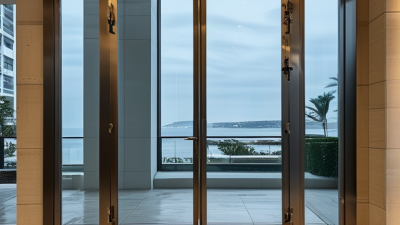
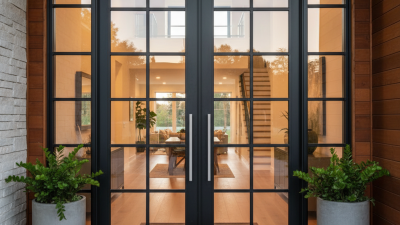
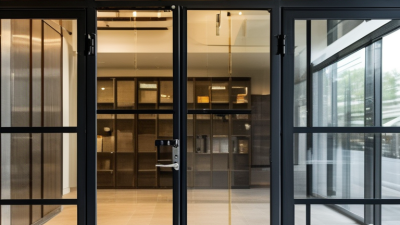
Metal-frame and glass doors balance a slim outline with clear sightlines. Steel frames offer crisp, narrow profiles, while aluminum is lighter and easier to configure. Dark finishes sharpen the contrast against pale walls. Not always. A broad glass panel can make a small entry feel brighter, but it also puts fingerprints and glare on display.

Frame choice affects comfort, too. Thermal breaks help limit heat transfer through metal, while insulated glazing reduces drafts and cold interior surfaces. The U.S. Department of Energy’s Energy Saver guidance estimates that windows account for 25–30% of residential heating and cooling energy use. That figure is for windows, not doors, but it shows why glazing deserves attention. The National Fenestration Rating Council labels products by U-factor and solar heat gain coefficient, helping buyers compare performance.

For a south-facing entrance, lower solar heat gain may reduce intense afternoon warmth. In a shaded hallway, visible light transmission may matter more. Check the full assembly, including seals, threshold, hardware, and glass rating; a good pane cannot fix a leaky frame. I still pause over ultra-thin metal profiles: they look elegant, yet can feel less substantial beside heavy exterior walls. Details matter.

How to Compare Door Types by Use and Performance

Choosing the right metal or glass door depends on where it will be used and what it must withstand. Steel doors suit service entrances, warehouses, and areas needing strong security. They resist impact well, but exposed steel can corrode when coatings or drainage are neglected. Aluminum doors are lighter and naturally corrosion-resistant, making them practical for offices, shops, and humid environments. Framed glass doors improve visibility and daylight, while frameless systems create a cleaner appearance with less visual obstruction.

Use changes the answer.

Compare each door through measurable performance. Check traffic frequency, security needs, thermal insulation, acoustic control, and cleaning demands. Tempered glass is suitable for many interior applications because it breaks into smaller fragments. Laminated glass can retain a protective layer after cracking, which may help in high-traffic locations. For regulated fire exits, use a complete, tested door assembly rather than choosing a door leaf alone. Local building requirements still matter.

Installation often decides whether a good door performs well. Inspect the frame alignment, threshold, seals, drainage, and hardware cycle rating. A poorly sealed aluminum door may waste energy despite its durable frame. A heavy steel door may also strain hinges if installed without proper support. This is where specifications can mislead. Real conditions are messier than product tables. Review maintenance access, expected daily use, and replacement costs with a qualified installer before approval.

What Are the Top Types of Metal and Glass Doors? — How to Compare Door Types by Use and Performance

Door type Typical construction Common uses Strength and security Thermal and acoustic performance Key considerations
Hollow metal door Steel faces formed around a hollow core, usually installed in a steel frame. Schools, offices, utility rooms, service corridors, and commercial back-of-house areas. Durable and resistant to impact; security depends on the door, frame, hardware, glazing, and installation as a complete assembly. Uninsulated versions generally provide limited thermal insulation. Acoustic performance varies with core, seals, and perimeter detailing. Often a practical choice for frequent use. Confirm corrosion protection and any required fire or security rating.
Insulated steel door Steel skins with a filled core, commonly polyurethane, polystyrene, or mineral fiber. Exterior entrances, loading areas, buildings with conditioned spaces, and locations exposed to temperature changes. Offers a rigid, durable leaf; overall security still depends on the frame, lock, hinges, and installation. Typically insulates better than an uninsulated hollow metal door. Thermal performance varies by core, edge details, and glazing. Check the stated U-factor or thermal rating for the complete door assembly. A thermal break can help limit heat transfer through metal components.
Aluminum-framed glass door Glass panels held in a lightweight aluminum frame; may be configured as a swinging or sliding door. Storefronts, offices, building lobbies, and other areas where visibility and daylight are priorities. Frame and glass strength depend on the specified profiles, glass type, hardware, and anchorage. It generally offers less privacy than a solid door. Insulating glass and thermally improved frames can improve energy performance. Acoustic results depend on glazing thickness, seals, and installation. Specify safety glazing where required. Consider glare, privacy, weather seals, and the door’s suitability for the expected traffic.
All-glass tempered door Tempered safety-glass leaf, often used with patch fittings, pivots, or glass-door hardware rather than a full perimeter frame. Interior offices, meeting rooms, retail spaces, and entrances designed for a transparent appearance. Tempered glass is designed to break into smaller pieces than ordinary annealed glass, but it is not unbreakable. Security depends on glass specification and hardware. Thermal and sound control can be limited, particularly with single glazing and minimal perimeter seals. Use safety glazing appropriate to the location and applicable codes. Plan for visibility markings, privacy needs, and precise hardware installation.
Fire-rated glazed metal door Steel door and frame with fire-protective glazing or a rated glazed assembly, as specified by its listing. Rated openings in corridors, stair enclosures, and other locations where the building design requires a fire-protection assembly. Can provide a view through a rated opening while meeting the performance of the tested and listed assembly. Thermal and acoustic performance depend on the tested assembly and are not implied by a fire rating. Verify the required rating, permitted glazing area, label, hardware, frame, and installation instructions. Fire-protection glazing is not automatically fire-resistance-rated.
Stainless steel door Door leaf and/or frame made with stainless steel, with grade and finish selected for the environment. Food-service areas, healthcare settings, laboratories, coastal locations, and spaces requiring frequent cleaning. Durable and resistant to corrosion when the grade, finish, and maintenance suit the exposure; it is not immune to staining or damage. Thermal and acoustic performance depend on core construction, seals, and assembly details rather than the stainless finish alone. Choose an appropriate stainless grade and finish for exposure and cleaning chemicals. Review cost, fabrication, and maintenance requirements.

Comparison note: Performance depends on the complete installed assembly, including the door leaf, frame, glazing, hardware, seals, and installation. Check local code requirements and manufacturer test data for the specific project.